In the modern industrial landscape, maintaining air quality and machinery longevity depends heavily on the efficiency of filtration systems. A high-performance cartridge filter vacuum system is no longer just an accessory but a critical component in ensuring operational safety and environmental compliance across various manufacturing sectors.
The global shift toward stricter emission standards, guided by ISO certifications and environmental regulations, has pushed industries to adopt more sophisticated dust collection methods. Implementing a robust cartridge filter vacuum solution allows companies to mitigate the risks associated with airborne particulates, which can otherwise lead to respiratory hazards for workers and premature equipment failure.
Understanding the nuances of cartridge filter vacuum technology—from the material composition of the filter media to the mechanics of pulse-jet cleaning—enables facility managers to optimize their maintenance schedules and reduce long-term operational costs. By focusing on high-efficiency cartridges, businesses can achieve a cleaner workspace while maximizing the throughput of their production lines.
The Fundamental Mechanics of Cartridge Filter Vacuum Systems
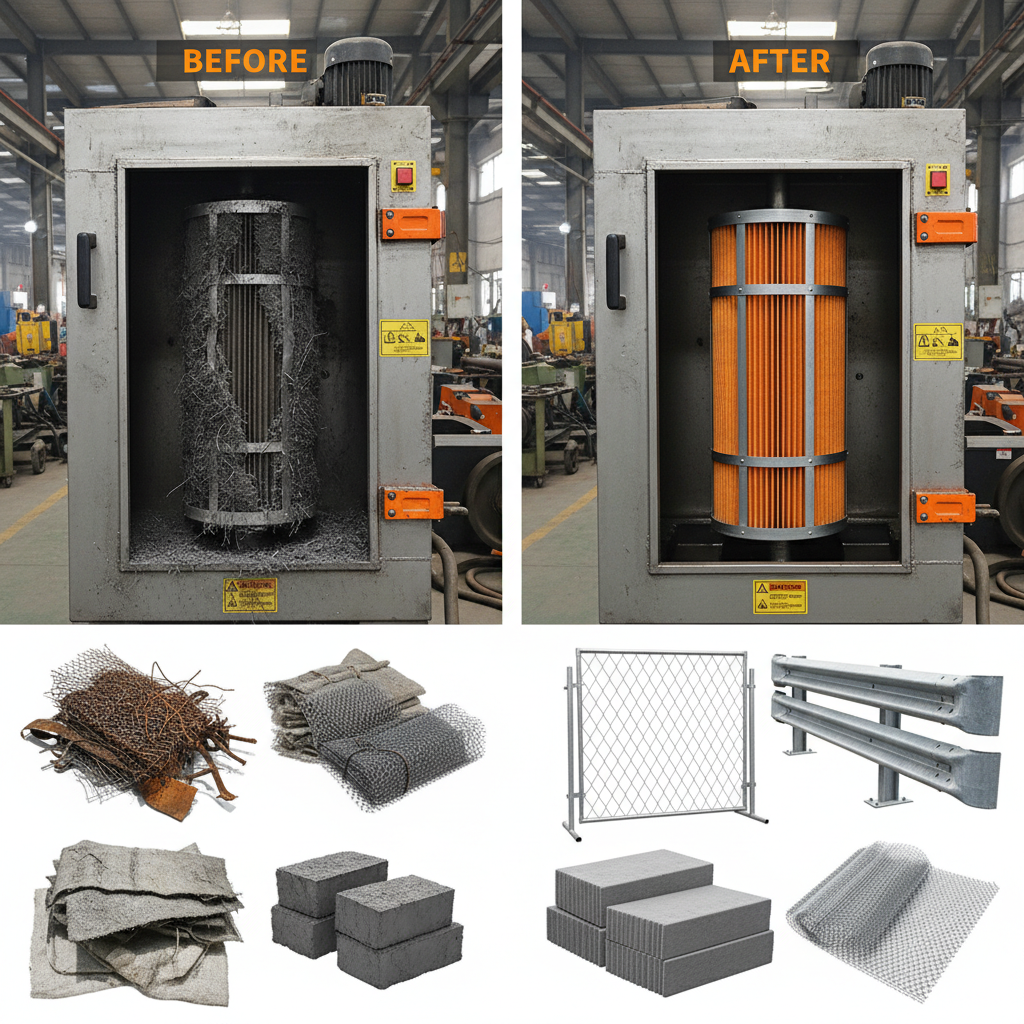
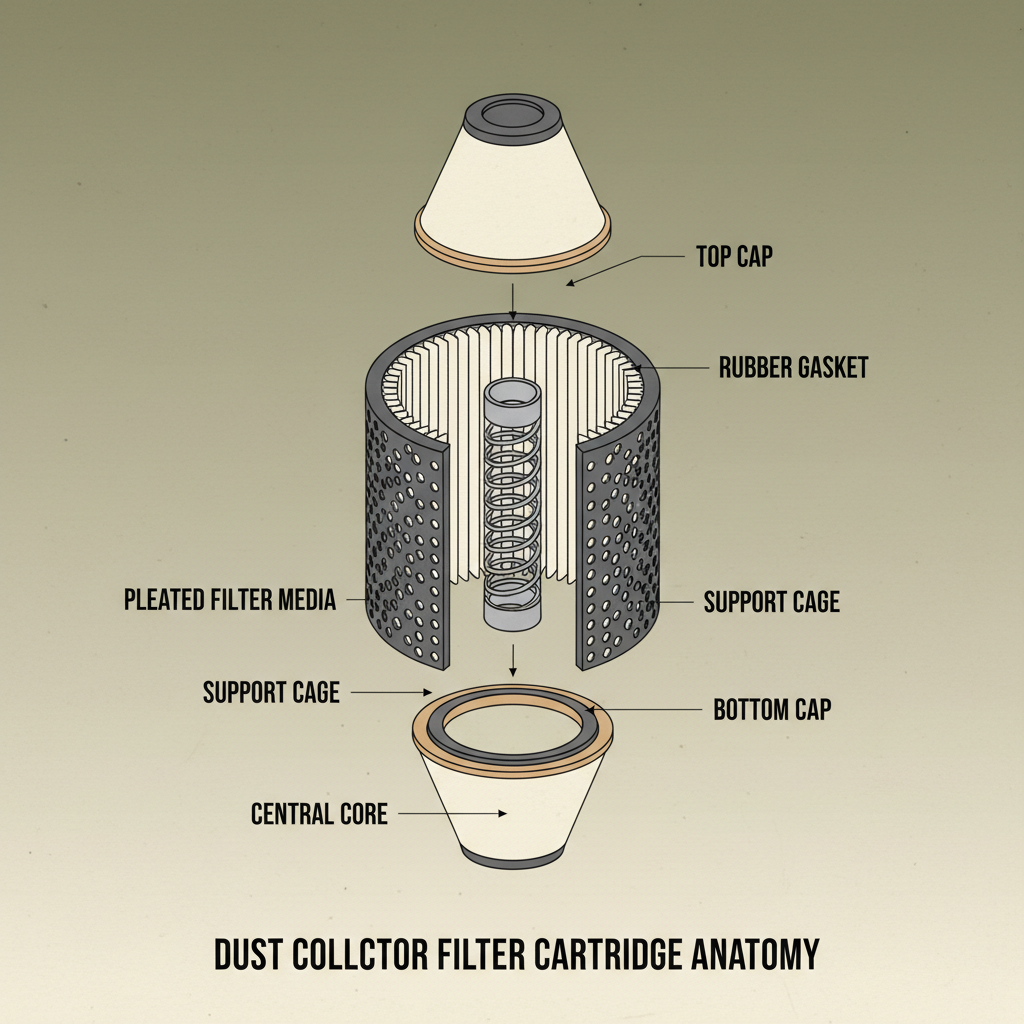
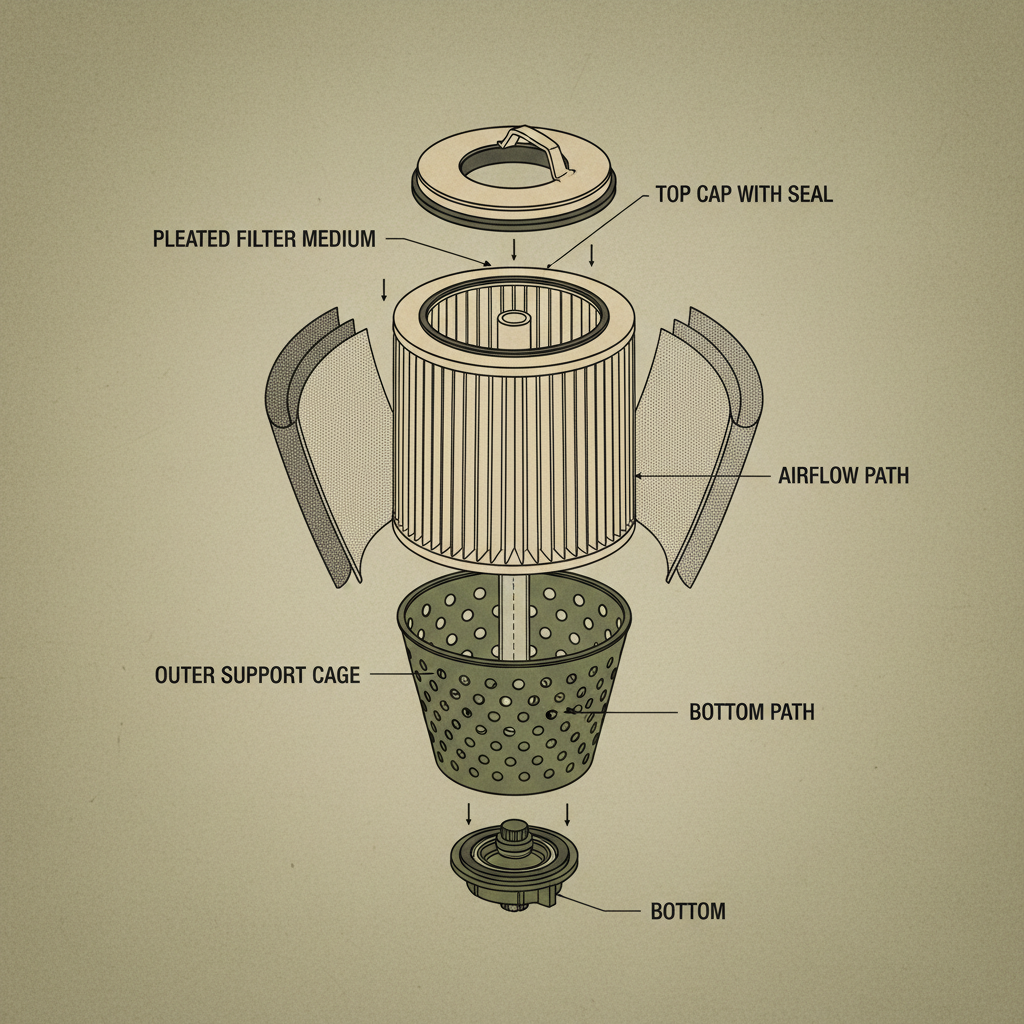
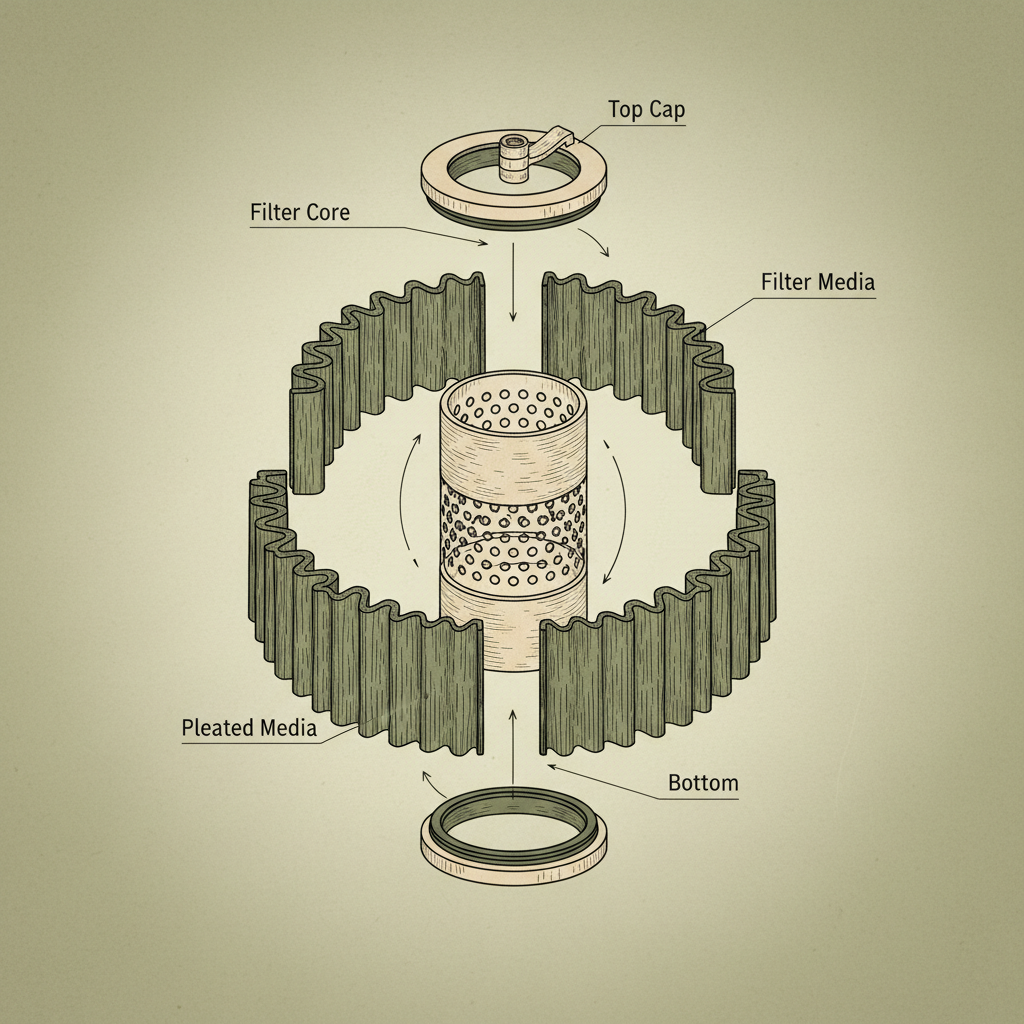
At its core, a cartridge filter vacuum operates by drawing contaminated air through a pleated cylindrical medium. This pleating process is essential because it significantly increases the surface area available for particle capture without increasing the overall footprint of the vacuum unit. As air passes through the media, dust and pollutants are trapped on the surface, while clean air is exhausted back into the environment or recirculated.
The efficiency of these systems is often enhanced by automated cleaning mechanisms, such as pulse-jet systems, which use bursts of compressed air to knock accumulated dust off the cartridges. This prevents the "cake" of dust from becoming too thick, which would otherwise increase pressure drop and reduce the suction power of the vacuum, ensuring a consistent flow rate during heavy-duty industrial use.
Global Industry Standards and Regulatory Compliance
On a global scale, the implementation of cartridge filter vacuum technology is heavily influenced by health and safety regulations. Organizations such as OSHA in the United States and similar bodies in the EU mandate strict Permissible Exposure Limits (PELs) for various types of dust, especially silica and combustible powders. Failure to employ high-efficiency filtration can lead to severe regulatory penalties and, more importantly, long-term health complications for the workforce.
Furthermore, the integration of ISO 14001 standards has pushed manufacturers toward more sustainable filtration practices. By utilizing high-grade polyester or PTFE-coated cartridges, companies can extend the lifecycle of their filters, thereby reducing the volume of industrial waste sent to landfills. This alignment with global sustainability goals transforms the vacuum system from a simple utility into a strategic asset for corporate social responsibility.
The challenge remains in the consistency of application. While developed nations have rigid frameworks, there is a growing movement in emerging industrial zones to adopt these standards to attract foreign investment and ensure worker safety. The adoption of standardized cartridge filter vacuum specifications allows for easier replacement and maintenance across international supply chains.
Core Components for Optimal Filtration Efficiency
The effectiveness of a cartridge filter vacuum is primarily determined by the quality of its filter media. Whether using needle-felt polyester for general dust or specialized membranes for hazardous chemicals, the material must balance permeability with capture efficiency. The structural integrity of the cartridge's end caps and the precision of the seal are equally critical to prevent "bypass," where unfiltered air leaks around the cartridge.
Another pivotal element is the vacuum pump's capacity and the system's overall pressure differential monitoring. An intelligent cartridge filter vacuum setup often includes a manometer or digital sensor that alerts operators when the pressure drop reaches a critical threshold, signaling that the filter needs cleaning or replacement to avoid motor strain.
Finally, the housing design plays a role in scalability and maintenance. Modular housings allow for the easy addition of more cartridges as production volume increases, while ergonomic designs ensure that technicians can replace filters quickly, minimizing downtime. This synergy between media, monitoring, and mechanics defines the operational success of the system.
Performance Metrics and Cost-Efficiency Analysis
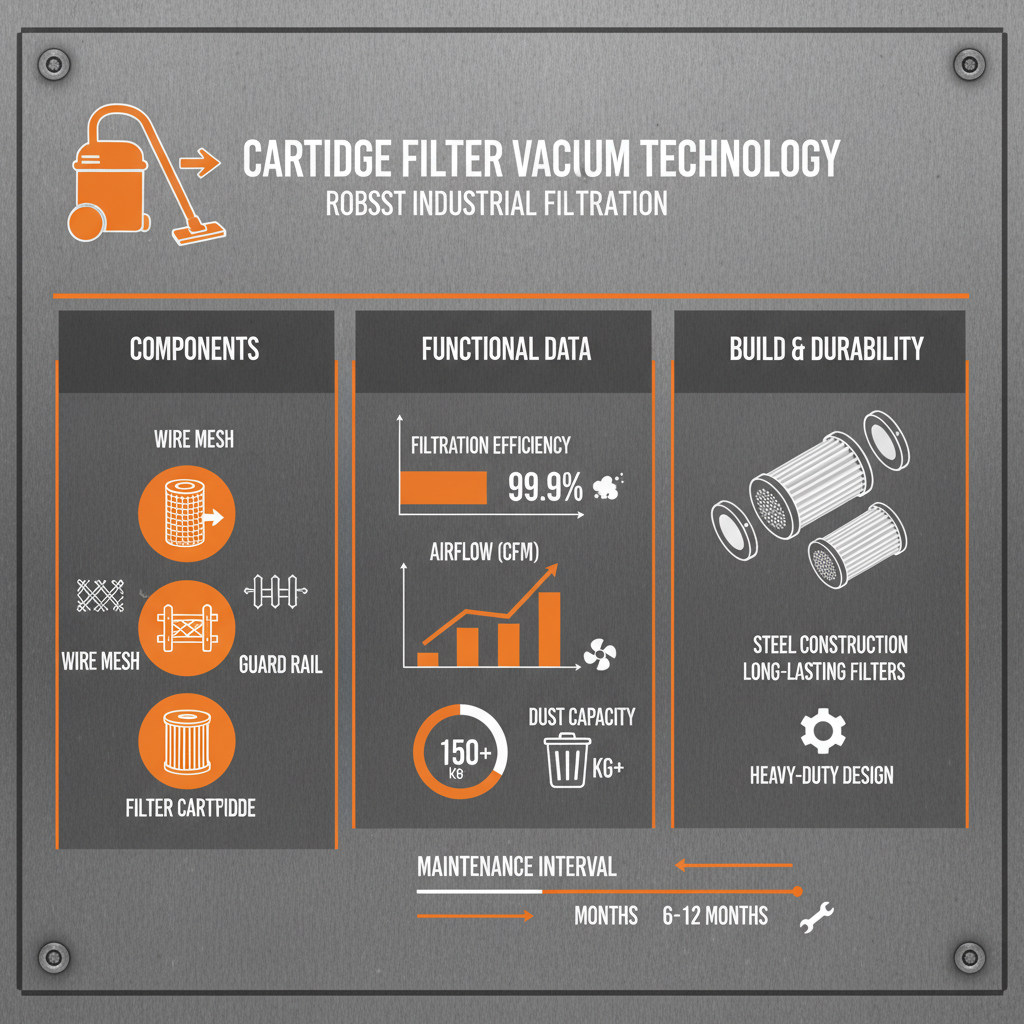
When evaluating a cartridge filter vacuum, it is essential to look beyond the initial purchase price. The true cost of ownership is found in the "Total Cost of Filtration," which includes energy consumption of the vacuum motor, the frequency of cartridge replacements, and the labor costs associated with maintenance. High-efficiency cartridges may have a higher upfront cost but often result in lower energy bills due to reduced airflow resistance.
By analyzing the filtration rate (CFM) against the energy draw, companies can determine the optimal operating point of their systems. A well-tuned vacuum system not only protects the environment but also prevents the expensive wear-and-tear on downstream machinery that occurs when fine dust penetrates internal components.
Efficiency Comparison of Cartridge Filter Vacuum Technologies
Real-World Applications Across Diverse Sectors
The versatility of the cartridge filter vacuum makes it indispensable in sectors ranging from woodworking to pharmaceutical manufacturing. In woodworking shops, these systems capture fine sawdust and resinous particles that could otherwise cause combustible dust explosions. In the pharmaceutical industry, the focus shifts to sterility and the containment of potent active ingredients, where HEPA-grade cartridges ensure that zero contaminants escape the vacuum circuit.
Beyond traditional factories, these systems are utilized in remote industrial zones for site cleanup and in post-disaster relief operations to remove hazardous debris and asbestos from damaged buildings. The portability of smaller vacuum units combined with the industrial-strength filtration of the cartridges allows for rapid deployment in environments where air quality is compromised.
Long-Term Value and Sustainability Benefits
Investing in a high-quality cartridge filter vacuum provides significant long-term value by enhancing workplace safety and employee morale. When workers breathe cleaner air, absenteeism decreases and productivity rises. The logical angle of cost-saving is complemented by the emotional angle of trust; employees feel valued when their employer invests in top-tier environmental controls.
From a sustainability perspective, the move toward washable and reusable cartridges is reducing the environmental footprint of the manufacturing industry. By choosing cartridges with high durability and chemical resistance, companies can extend the interval between replacements, directly contributing to a circular economy.
Moreover, the reliability of these systems minimizes the risk of unplanned shutdowns. A failed filtration system can halt an entire production line to prevent hazardous accumulations. Therefore, the reliability of a well-maintained cartridge filter vacuum acts as an insurance policy for operational continuity.
Future Innovations in Vacuum Filtration Technology
The future of cartridge filter vacuum systems lies in the integration of "Smart Filtration." We are seeing the emergence of IoT-enabled sensors that can predict filter failure before it happens using machine learning algorithms. This transition from reactive to predictive maintenance will virtually eliminate unexpected downtime and optimize the lifespan of every cartridge.
Material science is also evolving, with the introduction of nanofiber coatings and graphene-enhanced media. These new materials allow for higher capture rates of sub-micron particles while maintaining a lower pressure drop, significantly reducing the energy required to pull air through the system.
Furthermore, the push toward carbon neutrality is driving the development of energy-efficient vacuum motors and solar-powered filtration units for outdoor industrial sites. These innovations ensure that the cartridge filter vacuum remains at the forefront of green industrialization.
Comparative Analysis of Vacuum Filtration Media Innovations
| Media Material |
Filtration Grade |
Lifespan (Months) |
Maintenance Level |
| Standard Polyester |
General Dust |
3-6 |
Moderate |
| PTFE Coated |
Fine Particles |
8-12 |
Low |
| HEPA Glass Fiber |
Medical Grade |
6-10 |
High |
| Nanofiber Blend |
Sub-micron |
12-18 |
Low |
| Activated Carbon |
Vapor/Odor |
4-8 |
Moderate |
| Ceramic Composite |
High Temp |
24-36 |
Very Low |
FAQS
Replacement frequency depends on the dust load and the type of media used. Generally, standard polyester cartridges are replaced every 3-6 months, while PTFE-coated options can last up to a year. The best way to determine replacement is by monitoring the pressure drop; once the pressure reaches the manufacturer's maximum limit despite cleaning, it's time for a new cartridge.
It depends on the material. Many polyester and PTFE cartridges are designed for pulse-cleaning or gentle washing, but HEPA and activated carbon filters should never be washed, as this destroys the fiber structure or the chemical adsorption capacity. Always check the technical datasheet of your specific cartridge before attempting to clean it.
Cartridge filters offer a significantly higher surface area due to their pleated design, allowing them to capture smaller particles more efficiently and last longer than traditional bag filters. They also typically occupy less space and are more compatible with automated cleaning systems, making them the superior choice for industrial-scale applications.
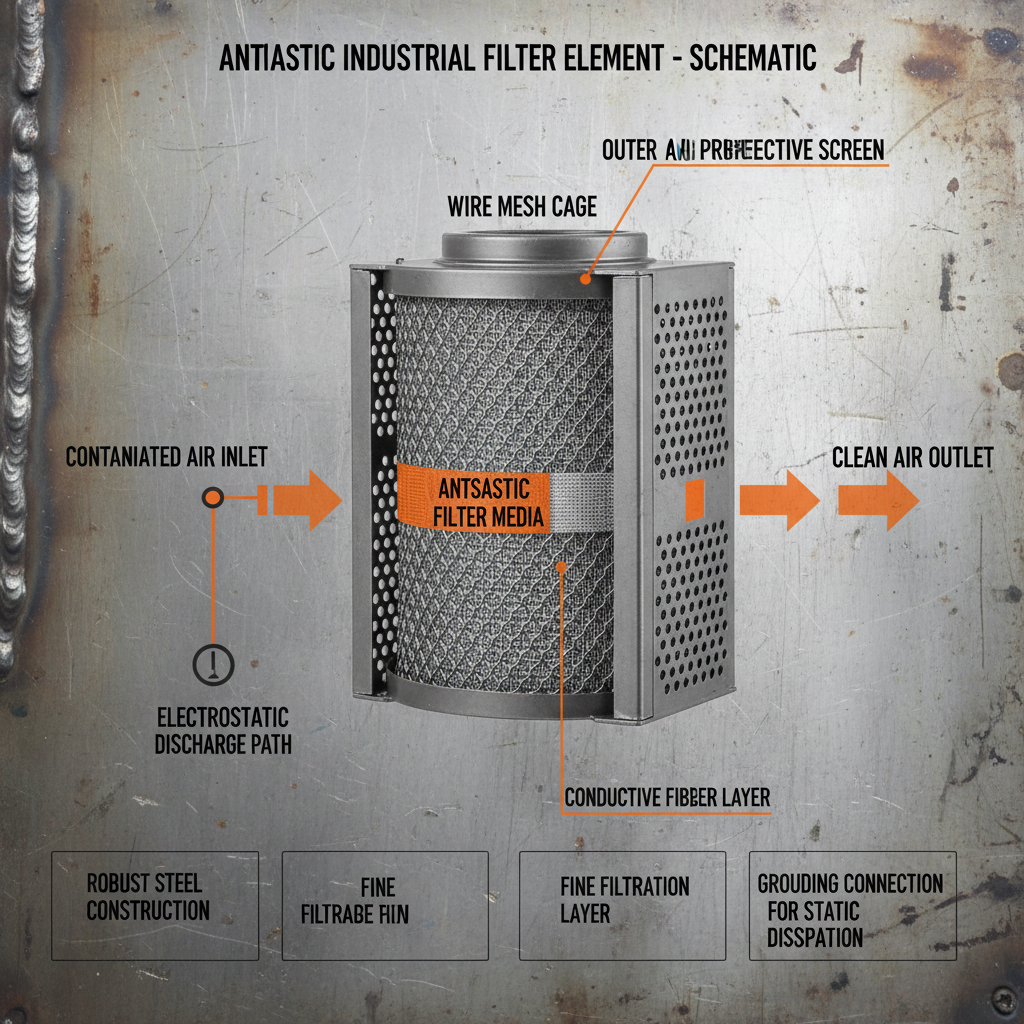
Yes, but they must be specifically rated for such environments. For combustible dust, you need a vacuum system that is ATEX or NFPA compliant, featuring grounded cartridges and specialized housing to prevent static buildup, which could otherwise trigger an explosion in a dust-rich environment.
A pulse-jet system periodically shoots a high-pressure burst of compressed air back through the cartridge in the opposite direction of the airflow. This sudden shock dislodges the dust cake from the pleated surface, dropping the particles into the collection hopper and instantly restoring the vacuum's suction efficiency.
For oil-mist or greasy particulates, hydrophobic materials like PTFE or specially treated polyester are recommended. These prevent oil from "blinding" the filter (clogging the pores permanently), ensuring that the cartridge filter vacuum maintains airflow even in oily conditions.
Conclusion
The integration of a high-performance cartridge filter vacuum is a cornerstone of modern industrial hygiene and equipment maintenance. By combining advanced material science with efficient airflow mechanics, these systems effectively mitigate the risks of airborne pollutants, ensure regulatory compliance, and significantly lower operational overhead through reduced downtime and energy savings.
As we look toward the future, the convergence of IoT monitoring and sustainable, nanofiber media will further elevate the standards of air purification. For businesses aiming to optimize their production environment, investing in a tailored filtration strategy is not just a technical necessity but a commitment to worker safety and environmental stewardship. Visit our website: www.onlyfiltercartridge.com

 Email:admin@only-filter.com
 Tel:
+8615930870079
Tel:
+8615930870079