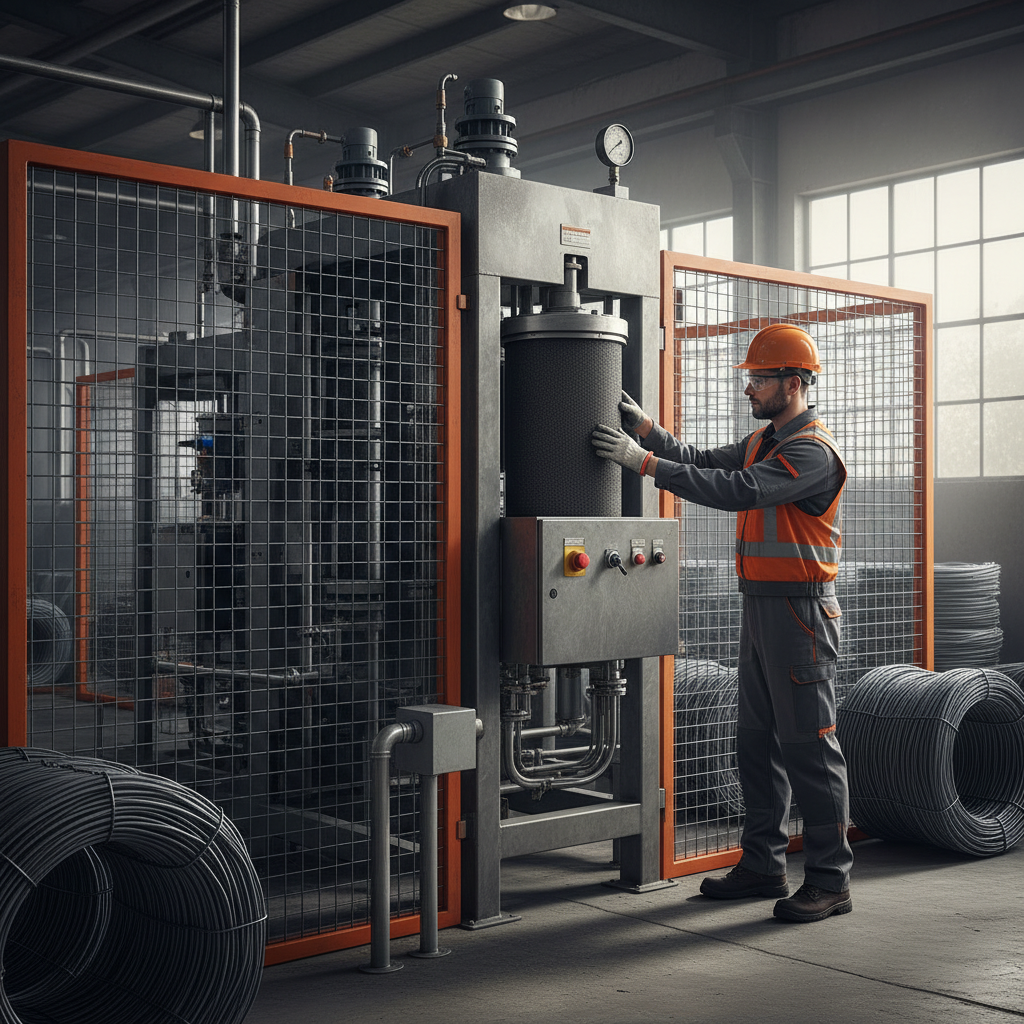
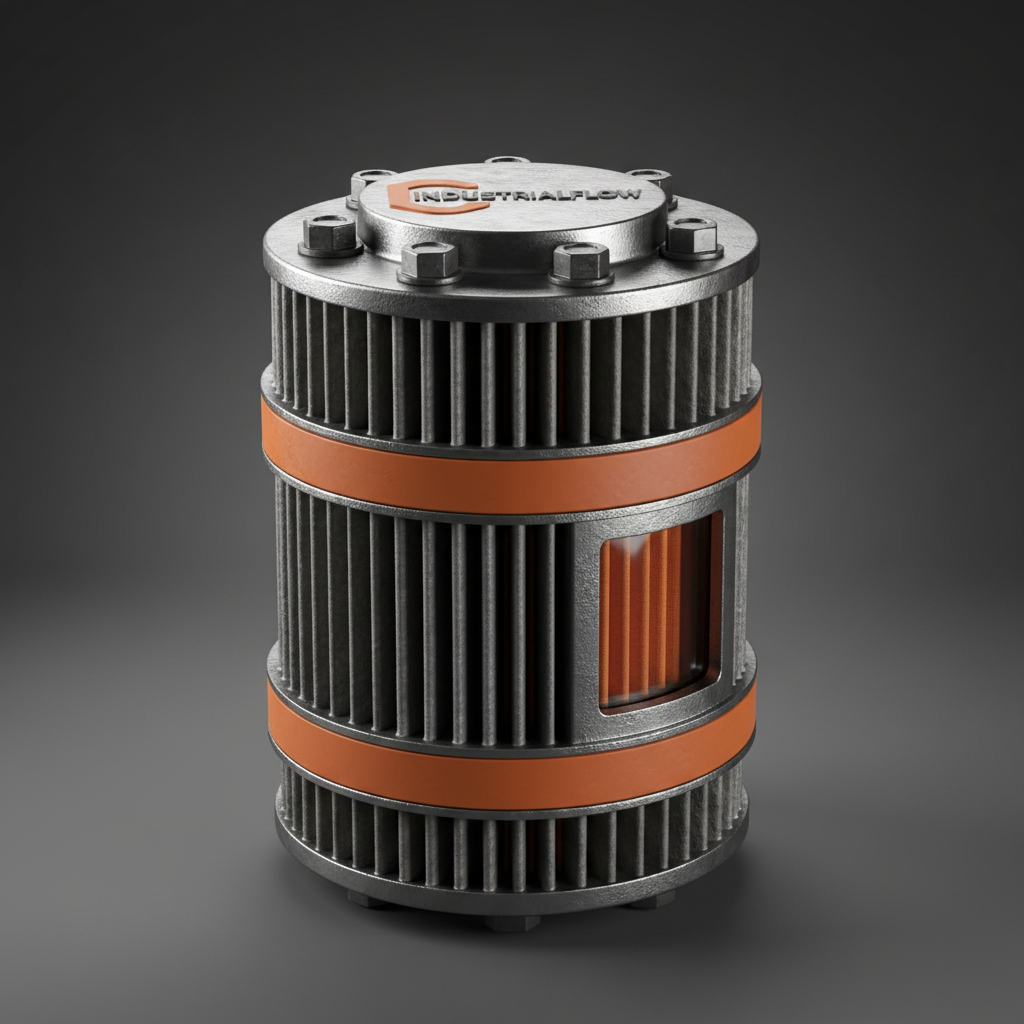
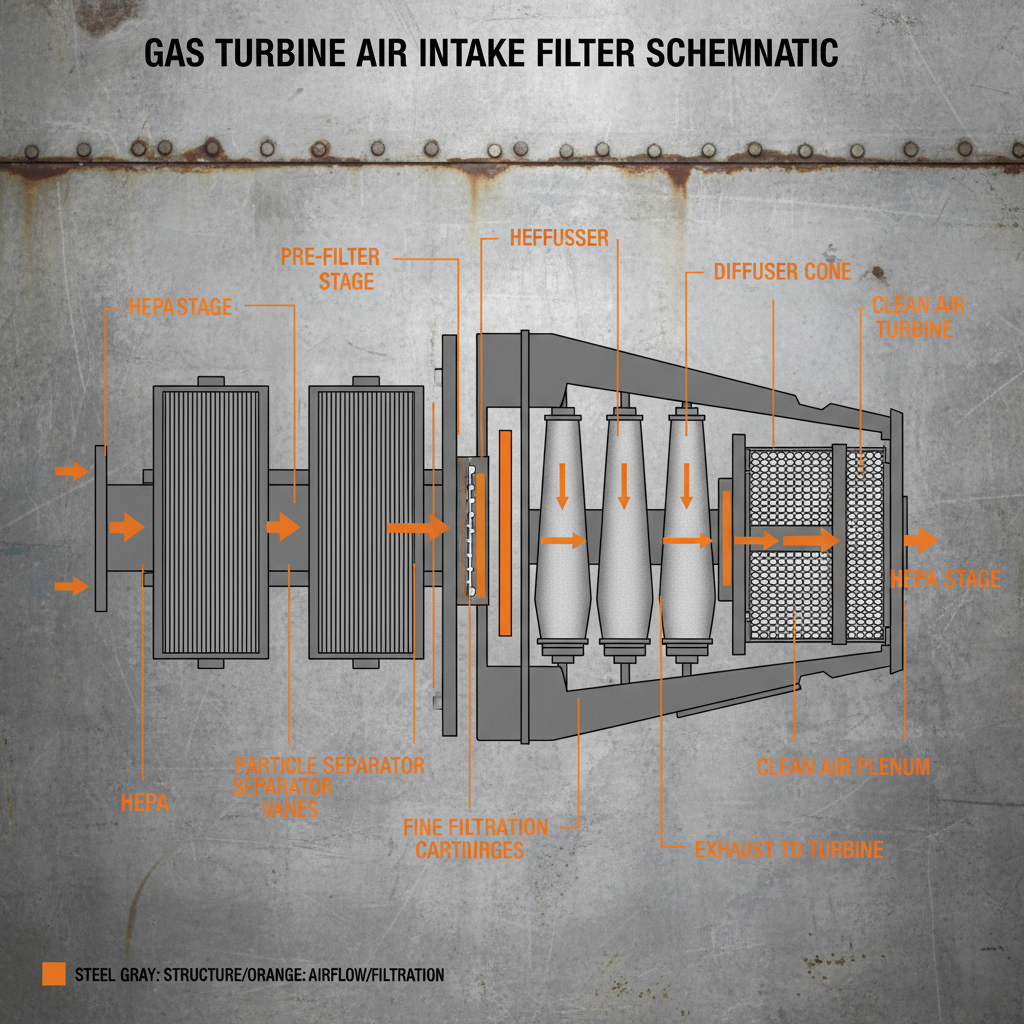
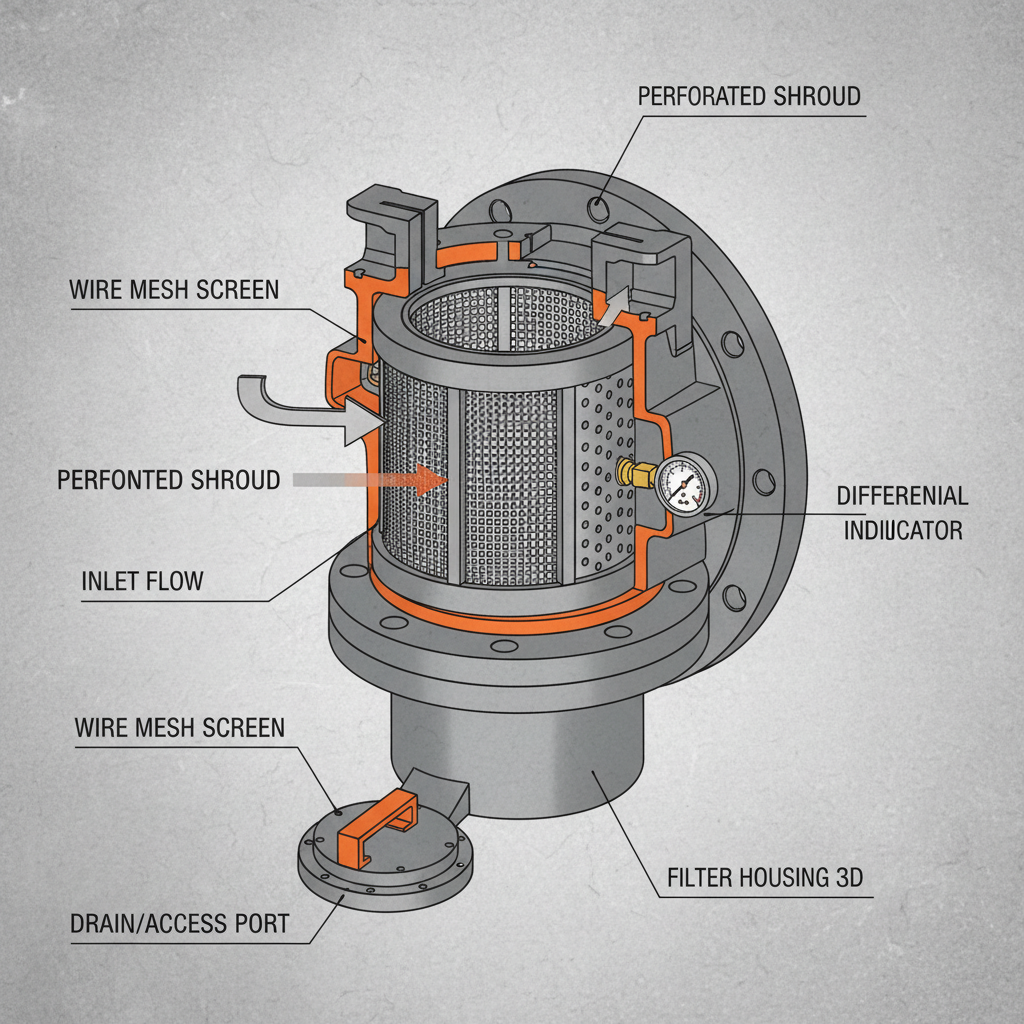
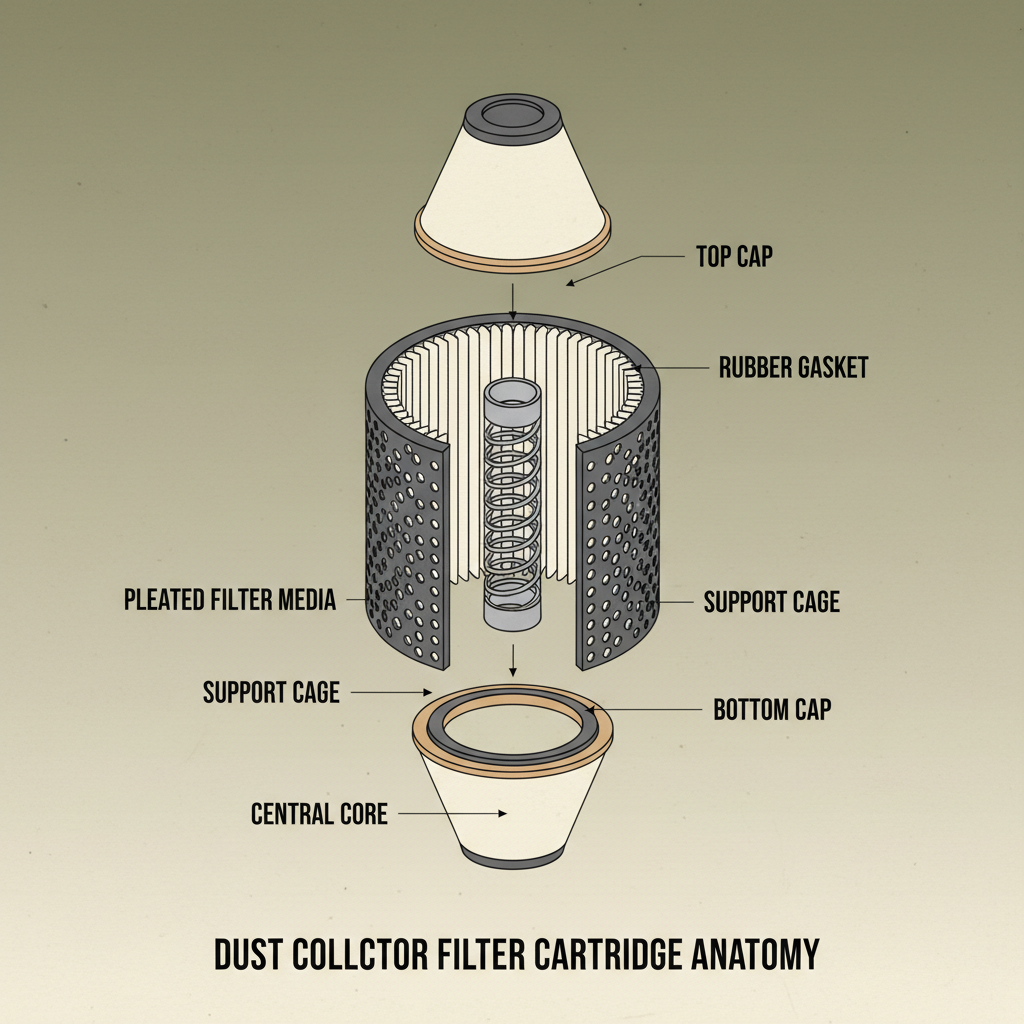
The modern industrial landscape demands uncompromising air purity, where the removal of both particulate matter and volatile organic compounds (VOCs) is critical for operational safety and product integrity. A carbon impregnated cellulose filter cartridge represents a sophisticated fusion of mechanical filtration and chemical adsorption, designed to tackle complex airborne contaminants that standard filters simply cannot capture. By integrating activated carbon into a robust cellulose matrix, these cartridges provide a dual-action defense system essential for high-precision manufacturing environments.
Globally, the shift toward stricter environmental regulations and occupational health standards has propelled the adoption of advanced filtration technologies. From pharmaceutical cleanrooms to automotive paint shops, the need to eliminate odors and hazardous chemical vapors is no longer optional but a regulatory mandate. The versatility of the carbon impregnated cellulose filter cartridge allows industries to maintain stringent air quality controls while optimizing the lifespan of their overall HVAC and air purification systems.
Understanding the technical nuances of these filter cartridges—from the porosity of the cellulose to the activation level of the carbon—is key to achieving maximum efficiency. When implemented correctly, these components not only protect sensitive equipment from contamination but also ensure a healthier workspace for personnel. This comprehensive guide explores the mechanics, applications, and long-term strategic value of integrating high-quality carbon-impregnated solutions into your industrial air filtration strategy.
Global Relevance of Carbon Impregnated Cellulose Filter Cartridges
In the context of global industrialization, the demand for high-efficiency air filtration has seen a surge, particularly in emerging economies where manufacturing is scaling rapidly. International standards such as ISO 14644 for cleanrooms and various OSHA guidelines emphasize the critical nature of removing hazardous organic vapors. The carbon impregnated cellulose filter cartridge has become a pivotal tool in meeting these standards, offering a cost-effective yet highly efficient method for removing gaseous pollutants that traditional HEPA or dust filters ignore.
The global challenge lies in the balance between energy consumption and filtration efficiency. As industries strive for "Net Zero" emissions, the pressure to utilize filters with lower pressure drops but higher adsorption capacities has increased. By leveraging the natural porosity of cellulose combined with the adsorptive power of activated carbon, these cartridges help companies reduce their energy footprint while ensuring that air quality remains within safe, legal, and operational limits.
Defining the Carbon Impregnated Cellulose Filter Cartridge
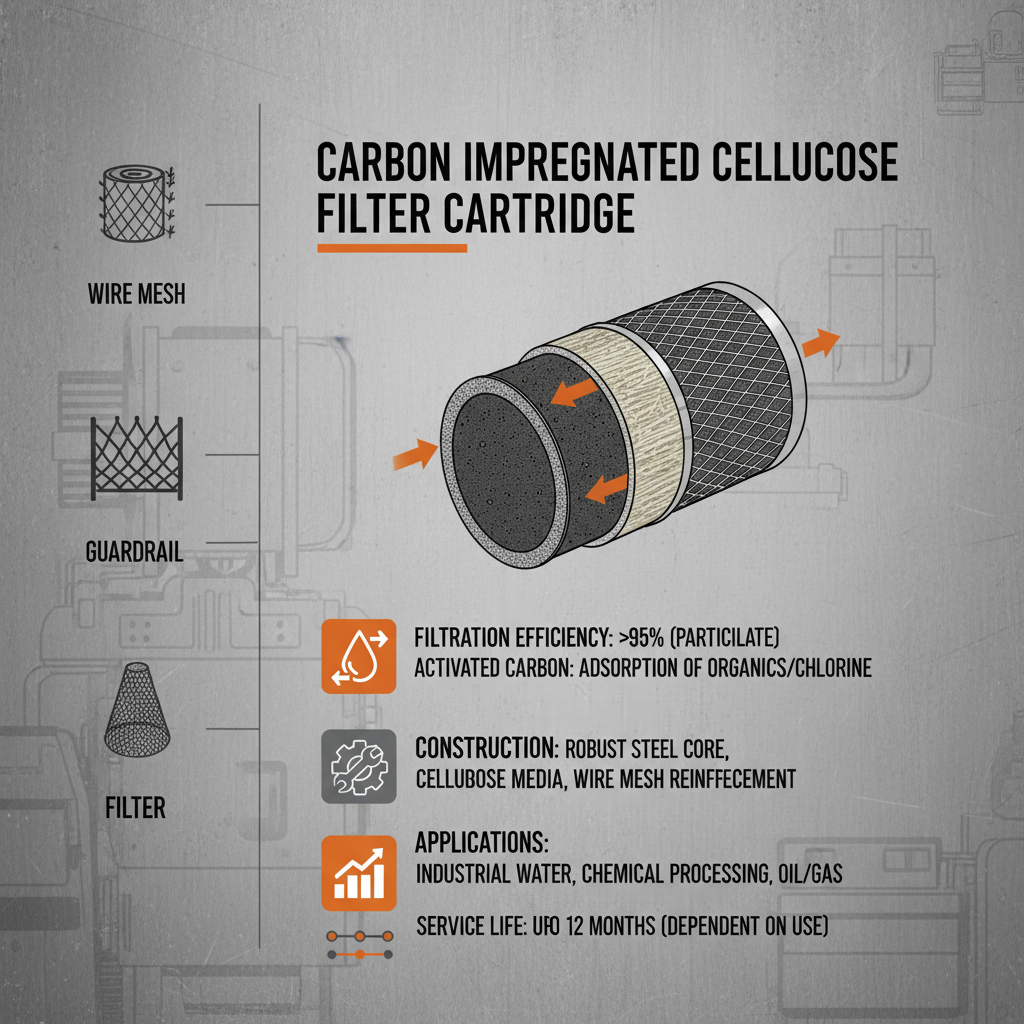
At its most basic level, a carbon impregnated cellulose filter cartridge is a specialized filtration medium where high-grade cellulose fibers are infused with activated carbon particles. Unlike separate stages of filtration, this "impregnation" allows for the simultaneous trapping of airborne particles (via the cellulose matrix) and the chemical adsorption of gases, odors, and VOCs (via the carbon). This synergy makes it an indispensable component in air purification systems where space is limited but purity requirements are high.
From a structural perspective, the cellulose provides the mechanical strength and the initial "sieve" to stop larger dust particles, preventing the carbon pores from becoming prematurely clogged. The activated carbon, characterized by its immense internal surface area, then acts as a molecular sponge, attracting and holding onto gas molecules through van der Waals forces. This dual-functionality is what distinguishes this technology from simple dust removal filters.
In modern industry, this technology addresses the critical need for "clean air" in humanitarian and high-tech contexts alike. Whether it is ensuring the sterility of a medical device assembly line or removing toxic fumes from a chemical processing plant, the carbon impregnated cellulose filter cartridge provides a reliable, scalable solution that bridges the gap between basic mechanical filtration and complex chemical scrubbing.
Core Technical Factors for Optimal Performance
The efficiency of a carbon impregnated cellulose filter cartridge is primarily governed by its adsorption capacity and flow resistance. The quality of the activated carbon used—specifically its iodine value—determines how many organic molecules it can capture per gram of material. A higher iodine value typically translates to a longer service life and a higher breakthrough time for chemical vapors.
Another critical factor is the uniformity of the impregnation process. If the carbon is not evenly distributed throughout the cellulose matrix, "channeling" can occur, where air bypasses the carbon-rich areas and flows through paths of least resistance. High-precision manufacturing ensures that every square inch of the carbon impregnated cellulose filter cartridge contributes to the purification process, maximizing the utilization of the filter medium.
Finally, the structural integrity of the cellulose fiber prevents shedding and ensures a consistent pressure drop across the filter. By optimizing the density of the cellulose fibers, manufacturers can balance the need for high particulate capture efficiency with the requirement for low energy consumption. This balance is essential for maintaining the operational efficiency of the overall air purification system.
Global Industrial Applications and Use Cases
The versatility of the carbon impregnated cellulose filter cartridge makes it suitable for a vast array of global industries. In the automotive sector, specifically in painting and coating booths, these filters are used to capture solvent vapors (VOCs) and paint overspray, ensuring that the air exhausted into the environment meets stringent EPA and EU standards. In these high-volume settings, the dual-action nature of the filter reduces the need for multiple filtration stages, saving both space and installation costs.
Beyond heavy industry, these cartridges are vital in the pharmaceutical and food processing sectors. In cleanroom environments, where even the slightest organic odor can contaminate a product or interfere with sensitive analytical equipment, the carbon impregnated cellulose filter cartridge provides a critical layer of chemical protection. For instance, in post-disaster relief operations where temporary medical clinics are deployed, portable air scrubbers equipped with these filters are used to remove airborne toxins and odors from damaged structures.
Performance Comparison of Filtration Methods
Long-term Value and Sustainability Advantages
Investing in a high-quality carbon impregnated cellulose filter cartridge offers significant long-term economic and environmental value. By combining two functions into one component, companies can reduce the overall number of filter replacements and the labor costs associated with maintenance. Furthermore, the use of cellulose—a renewable plant-based material—makes these cartridges a more sustainable choice compared to fully synthetic polymer filters.
From a risk management perspective, the reliability of these filters provides peace of mind. The ability to consistently remove hazardous VOCs reduces the risk of workplace accidents and chronic health issues among employees, leading to lower insurance premiums and higher productivity. This emotional and logical assurance of safety creates a culture of trust and innovation within the organization, as workers can focus on their tasks knowing the air they breathe is pure.
Future Trends in Air Purification Materials
The evolution of the carbon impregnated cellulose filter cartridge is moving toward "smart" filtration. We are seeing the integration of nano-carbon materials, such as graphene, which could exponentially increase the adsorption capacity without increasing the filter's thickness. This would allow for even lower pressure drops and longer replacement cycles, further enhancing the energy efficiency of industrial air systems.
Additionally, there is a growing trend toward biodegradable impregnation agents and more sustainable activation methods for the carbon. The industry is shifting away from harsh chemical activation toward steam or biological activation, aligning the production of filter cartridges with the broader global movement toward green chemistry and circular economy principles.
Digital transformation is also playing a role. The next generation of air purification systems will likely incorporate IoT sensors that can monitor the saturation level of the carbon in real-time. Instead of replacing a carbon impregnated cellulose filter cartridge based on a fixed schedule, operators will be notified exactly when the carbon capacity is exhausted, preventing premature disposal and reducing waste.
Overcoming Implementation Challenges
One of the primary challenges in deploying a carbon impregnated cellulose filter cartridge is the phenomenon of "carbon dusting," where small particles of activated carbon can be released into the airstream. To overcome this, advanced binders are now being used to lock the carbon more securely within the cellulose matrix, ensuring that the filter does not become a source of contamination itself.
Another common hurdle is the selection of the correct carbon grade for specific chemical contaminants. Not all activated carbons are equal; some are better for polar molecules, while others excel at capturing non-polar organic vapors. Expert consultation and gas-phase analysis of the target pollutants are essential to ensure the chosen cartridge is optimized for the specific environment.
Finally, moisture control is crucial. High humidity can occupy the pores of the activated carbon, significantly reducing its capacity to adsorb organic vapors. Integrating a pre-filter or a dehumidification stage before the carbon impregnated cellulose filter cartridge can extend its life and maintain peak efficiency, solving the problem of premature saturation.
Core Analysis of Carbon Impregnated Cellulose Filter Cartridge Implementation
| Implementation Factor |
Typical Challenge |
Optimized Solution |
Performance Impact |
| Material Selection |
Low adsorption capacity |
High-iodine coconut shell carbon |
9/10 |
| Airflow Management |
Excessive pressure drop |
Graduated density cellulose |
8/10 |
| Durability |
Carbon shedding/dusting |
Polymeric binding agents |
9/10 |
| Environment |
High humidity saturation |
Upstream moisture trapping |
7/10 |
| Cost Efficiency |
Frequent replacement |
Predictive IoT monitoring |
8/10 |
| Sustainability |
Non-biodegradable waste |
Renewable cellulose fibers |
10/10 |
FAQS
A standard cellulose filter primarily removes physical particles like dust and pollen through mechanical straining. In contrast, a carbon impregnated cellulose filter cartridge adds a layer of chemical adsorption. The impregnated activated carbon allows the filter to capture gaseous contaminants, organic vapors, and odors that pass right through standard cellulose fibers, providing a comprehensive air purification solution.
Replacement intervals depend on the concentration of pollutants and the airflow rate. Typically, they are replaced when a significant increase in pressure drop is observed or when "breakthrough" occurs (odors become detectable). In high-VOC environments, replacements may be monthly, while in cleaner settings, they can last several months. We recommend using pressure gauges to determine the optimal change-out schedule.
While highly effective, they are most efficient at removing organic compounds and large-molecule VOCs. Some very small or highly polar molecules may require specifically treated or "chemisorbed" carbon. It is important to match the carbon type to the specific gas you are targeting to ensure maximum removal efficiency and safety.
Compared to thick beds of granular activated carbon, the carbon impregnated cellulose filter cartridge is designed for a much lower pressure drop. By integrating the carbon into a thin, pleated, or porous cellulose matrix, air can flow more freely while still spending enough contact time with the carbon to allow for effective adsorption.
Yes, they are generally more sustainable than fully synthetic alternatives. The use of cellulose, a renewable biological resource, reduces the reliance on petroleum-based plastics. Additionally, because they combine two filtration steps into one, they reduce the overall material waste generated during the maintenance of air purification systems.
The best way to extend the life of your carbon impregnated cellulose filter cartridge is to install a coarse pre-filter upstream. This captures large dust particles and prevents them from coating the carbon surface, ensuring the adsorption sites remain available for gaseous contaminants. Controlling humidity is also key to preventing water molecules from filling the carbon pores.
Conclusion
The carbon impregnated cellulose filter cartridge stands as a critical intersection of mechanical efficiency and chemical precision. By effectively addressing both particulate and gaseous pollutants within a single, sustainable medium, it provides industrial operators with a streamlined path toward superior air quality and regulatory compliance. From reducing energy costs via lower pressure drops to enhancing worker safety through VOC removal, the strategic value of this technology is evident across diverse global sectors.
Looking forward, the integration of nanomaterials and IoT monitoring will only further refine the performance and maintenance of these systems. For any organization aiming to optimize its environmental controls, upgrading to high-performance impregnated solutions is not just a technical improvement, but a commitment to sustainability and health. To find the perfect filtration match for your specific industrial needs, visit our website: www.onlyfiltercartridge.com.

 Email:admin@only-filter.com
 Tel:
+8615930870079
Tel:
+8615930870079