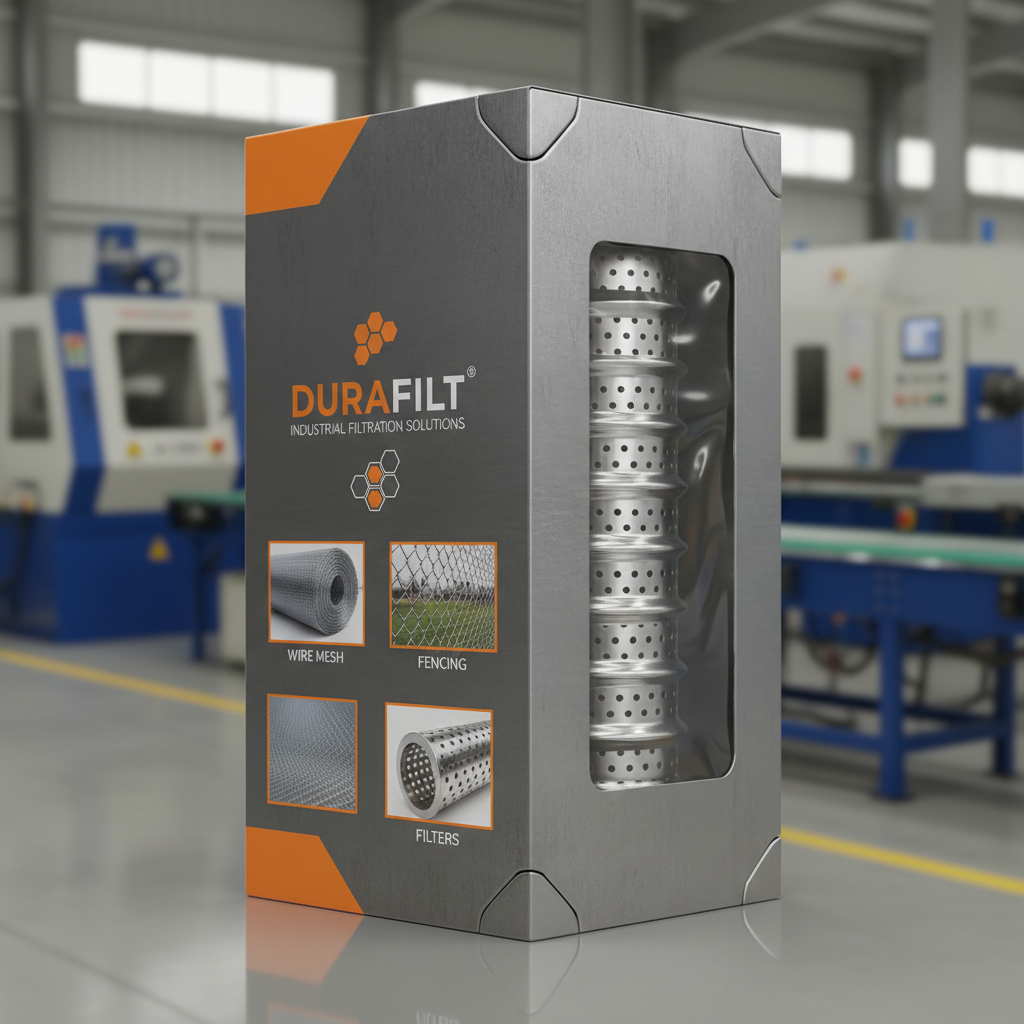
Maintaining peak engine performance in heavy machinery requires a rigorous approach to air intake purity, where the selection of a high-quality air filtration system becomes a critical operational decision. In the demanding environments of construction and mining, an excavator air filter serves as the primary defense mechanism, preventing abrasive particulate matter from entering the combustion chamber and causing premature wear on internal components.
Across the global industrial landscape, the cost of downtime for heavy equipment can be astronomical, making the efficiency of filtration components a key driver of profitability. When air intake systems fail to intercept dust and debris, the result is often a significant drop in fuel efficiency and an increase in costly engine overhauls, highlighting the necessity of utilizing industrial-grade filter cartridges designed for extreme conditions.
By integrating advanced materials and precise engineering, the modern excavator air filter ensures that engines can operate at maximum capacity even in the most dust-prone regions. Understanding the technical specifications and application scenarios of these components is essential for fleet managers and technicians aiming to optimize the lifespan of their machinery.
Global Relevance of Heavy Machinery Air Filtration
The global construction and mining sectors rely heavily on the availability of operational heavy machinery to drive infrastructure development. In regions such as Southeast Asia, Africa, and the Middle East, where airborne dust levels are exceptionally high, the integrity of the air intake system is the difference between a productive site and a stalled project.
Industry standards, including those aligned with ISO quality benchmarks, emphasize that air purity is directly correlated to engine longevity. Failure to implement a high-efficiency filtration strategy leads to "dusting" of the engine, where particles act as abrasives on cylinder walls, leading to catastrophic failure and substantial economic loss for operators.
Defining the Role of an Excavator Air Filter
In simple terms, an excavator air filter is a specialized mechanical barrier designed to intercept atmospheric contaminants before they reach the engine's intake manifold. It functions as a critical "lung" for the machine, ensuring that only clean, oxygen-rich air enters the combustion chamber to facilitate efficient fuel burn and power generation.
Beyond basic dust removal, these filters are engineered to handle various types of particulates, from large debris to microscopic smoke and pollen. This is particularly vital in modern Tier 4 and Stage V engines, where tighter tolerances and electronic sensors make the system far more sensitive to contaminants than older mechanical engines.
The connection to modern humanitarian and industrial needs is clear: faster infrastructure deployment—such as building roads or clearing debris after natural disasters—depends on machinery that does not fail due to poor air quality. A reliable filtration system ensures that equipment remains operational in the most hostile environments on Earth.
Core Technical Components and Design Factors
The effectiveness of an excavator air filter is primarily determined by its material composition and structural design. High-quality filter elements utilize advanced synthetic or cellulose-based media that provide a high surface area for particle capture without overly restricting the airflow required by the engine.
Durability is a cornerstone of design, ensuring the filter can withstand high-pressure pulses and temperature fluctuations. By utilizing corrosion-resistant materials, these filters maintain their structural integrity in humid or chemically aggressive environments, preventing the filter media from collapsing or leaking.
Another key factor is breathability, or the balance between filtration efficiency and initial resistance. A well-engineered excavator air filter minimizes the pressure drop across the element, reducing the load on the engine's turbocharger and improving overall fuel economy and energy efficiency.
Performance Metrics and Efficiency Standards
Evaluating the performance of air filtration requires looking at specific data points such as filtering efficiency and the processing air volume. For instance, professional-grade cartridges often achieve a filtering efficiency of up to 99.99%, ensuring that even the smallest particles are intercepted.
Initial resistance, typically measured in Pascals (Pa), indicates how much effort the engine must exert to pull air through the filter. A lower initial resistance combined with a larger filter area (such as 22.3m² or 25m²) allows for a longer service life and more stable operation.
Comparative Performance of Air Filtration Methods
Global Applications Across Diverse Industries
The application of high-efficiency filtration extends beyond the construction site. In the automotive industry, similar technologies are used to protect heavy-duty truck engines, while in the electronics and semiconductor sectors, ultra-clean air is required to prevent micro-contamination during the fabrication of chips.
Furthermore, these filtration principles are applied in medical environments to maintain sterile surgical areas and in agricultural settings, such as animal farms and greenhouses, to control airborne pathogens and dust, ensuring the health of livestock and crops.
Long-Term Value and Sustainability Benefits
Investing in a premium excavator air filter yields tangible long-term financial rewards. By reducing the frequency of engine maintenance and preventing premature wear, companies can significantly lower their total cost of ownership (TCO) and increase the resale value of their fleet.
From a sustainability perspective, efficient filtration directly correlates to lower fuel consumption. When an engine breathes easily, it operates more efficiently, resulting in fewer carbon emissions and a smaller environmental footprint, aligning industrial operations with global green energy goals.
Beyond the numbers, there is the element of reliability and trust. Operators who know their equipment is protected by top-tier filtration can work with confidence in remote industrial zones, knowing that a simple dust storm won't lead to a catastrophic mechanical failure.
Future Innovations in Filtration Technology
The future of air filtration is moving toward "smart" systems. We are seeing the integration of digital sensors that monitor pressure drops in real-time, allowing for predictive maintenance rather than scheduled replacements. This digital transformation ensures that filters are changed only when necessary, reducing waste.
Material science is also evolving, with the introduction of nano-fiber coatings and biodegradable filter media. These innovations aim to provide even higher filtration accuracy while reducing the environmental impact of disposing of used cartridges.
As automation and autonomous machinery become more prevalent in mining and construction, the demand for self-cleaning filtration systems will grow. These systems will automatically purge dust from the filter element, ensuring constant airflow without human intervention.
Technical Specifications and Performance Analysis of Air Filter Cartridges
| Model Variant |
Air Volume (m3/h) |
Filter Area (m2) |
Efficiency (%) |
| AR-ON3266-Standard |
1000 |
22.3 |
99.99 |
| AR-ON3266-Heavy Duty |
900 |
25.0 |
99.99 |
| Custom-Nano-01 |
1100 |
23.5 |
99.99 |
| Custom-Eco-02 |
950 |
24.0 |
99.95 |
| Industrial-Plus-X |
1200 |
26.0 |
99.99 |
| Mining-Spec-Alpha |
850 |
28.0 |
99.99 |
FAQS
Replacement intervals vary based on the environment. In extremely dusty conditions, filters should be checked weekly and replaced as soon as the restriction indicator signals a pressure drop. On average, high-quality cartridges are replaced every 500 to 1,000 operating hours to maintain optimal engine efficiency and prevent damage.
While some primary filters can be lightly cleaned with compressed air, this is generally discouraged for high-efficiency elements. Air blowing can create microscopic tears in the filter media, allowing dust to bypass the barrier and enter the engine. For critical machinery, replacement is the only way to guarantee 99.99% filtration efficiency.
Low-quality filters often have poor structural integrity and lower filtration accuracy. This can lead to "dusting," where abrasive particles scratch the cylinder walls and piston rings, leading to loss of compression, increased oil consumption, and eventually total engine failure, resulting in expensive repairs and significant downtime.
Generally, yes. A larger filter area (e.g., 25m² vs 22.3m²) allows more air to pass through the media at a lower velocity, which typically reduces initial resistance and increases the amount of dust the filter can hold before becoming clogged, thereby extending the service life of the component.
Synthetic filters typically offer superior durability, better resistance to moisture and chemicals, and higher filtration efficiency. While cellulose is cost-effective for light-duty use, synthetic blends are highly recommended for heavy-duty industrial applications where reliability and long-term engine protection are the priorities.
Most modern excavators are equipped with a vacuum or pressure indicator (a "dust indicator"). When the filter is clogged, the restriction increases, causing the indicator to change color or trigger a dashboard alert. Other signs include a noticeable drop in engine power and an increase in fuel consumption.
Conclusion
The implementation of a high-performance air filtration strategy is not merely a maintenance requirement but a strategic investment in the longevity and efficiency of heavy machinery. By focusing on key metrics such as 99.99% filtration efficiency, low initial resistance, and durable materials, operators can ensure that their equipment remains productive in the most challenging environments, reducing costs and environmental impact.
Looking forward, the integration of smart sensing and nano-materials will further revolutionize how we protect industrial engines. We recommend that fleet managers transition toward high-efficiency, synthetic-blend cartridges to future-proof their operations and maximize uptime. To explore our range of professional filtration solutions, visit our website: www.onlyfiltercartridge.com

 Email:admin@only-filter.com