In the demanding world of industrial transportation and heavy-duty machinery, maintaining air purity is not just a matter of maintenance but a critical safety requirement. The implementation of a high-quality air filter for truck systems ensures that engines and operator cabins remain free from harmful particulate matter and gaseous contaminants. By utilizing advanced filtration media, these systems prevent premature wear and ensure operational longevity in the harshest environments.
Globally, the rise of stricter emission standards and occupational health regulations has pushed the industry toward more sophisticated air purification solutions. From urban logistics hubs to remote mining sites, the challenge remains the same: how to effectively remove organic vapors, odors, and toxic gases that can compromise both machine efficiency and human health. This necessity has led to the integration of specialized carbon-based filtration technologies in commercial fleets.
Understanding the mechanism behind an air filter for truck applications—specifically the use of activated carbon filter cartridges—allows fleet managers to optimize their maintenance schedules. These components leverage a dual adsorption mechanism to capture pollutants that standard mechanical filters simply cannot stop, providing a comprehensive shield against environmental hazards.
The Mechanics of Activated Carbon Filtration
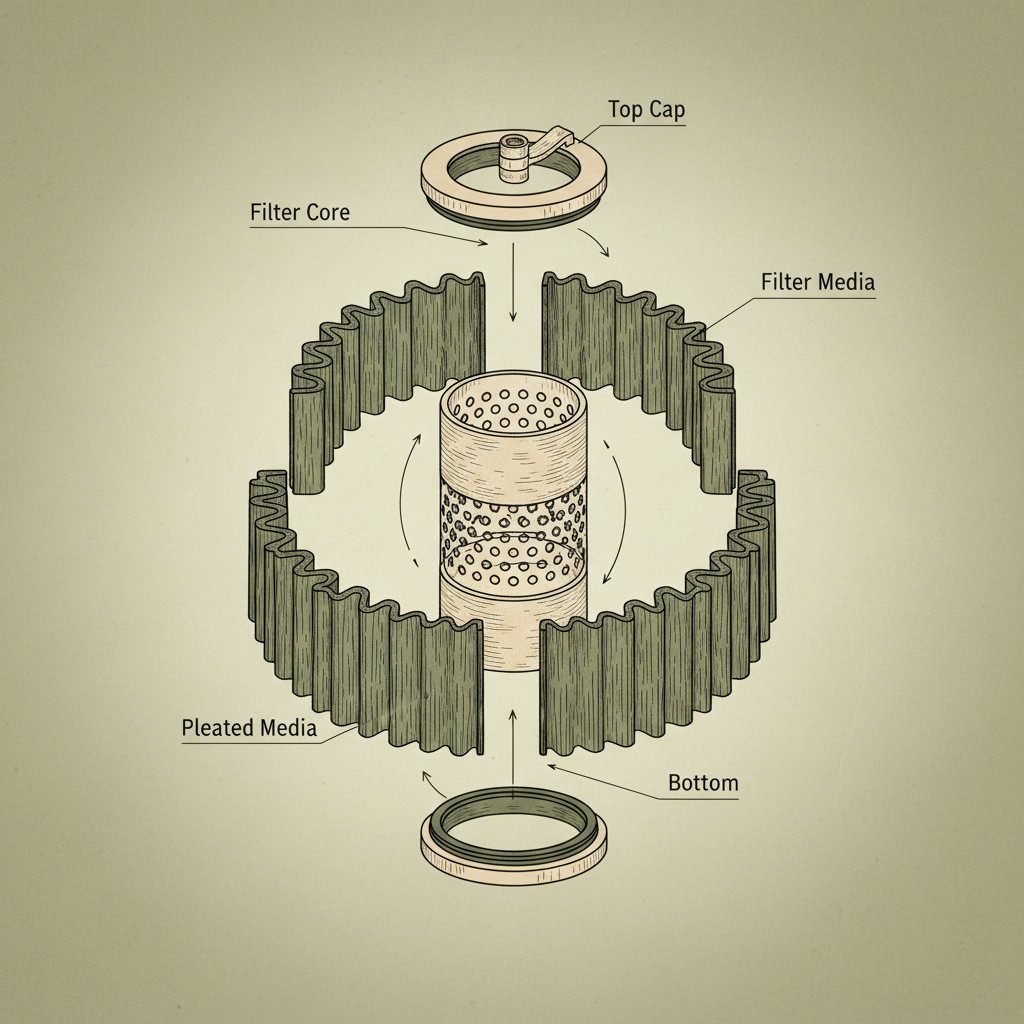
The activated carbon filter cartridge serves as an efficient air purification component specifically engineered to adsorb and remove pollutants such as organic vapors, smoke, and harmful gases. Unlike standard particulate filters, its core material is a specially treated carbonaceous substance with a highly developed pore structure and an immense specific surface area. This microscopic architecture allows it to act as a molecular sponge, trapping contaminants that would otherwise pass through traditional mesh.
In the context of an air filter for truck systems and industrial ventilation, this technology is indispensable for maintaining breathable air. By utilizing granular activated carbon treated with a special chemical formula, these cartridges provide high removal efficiency and reliable performance, ensuring that the air entering sensitive environments is stripped of volatile organic compounds and unpleasant odors.
Core Components and Material Specifications
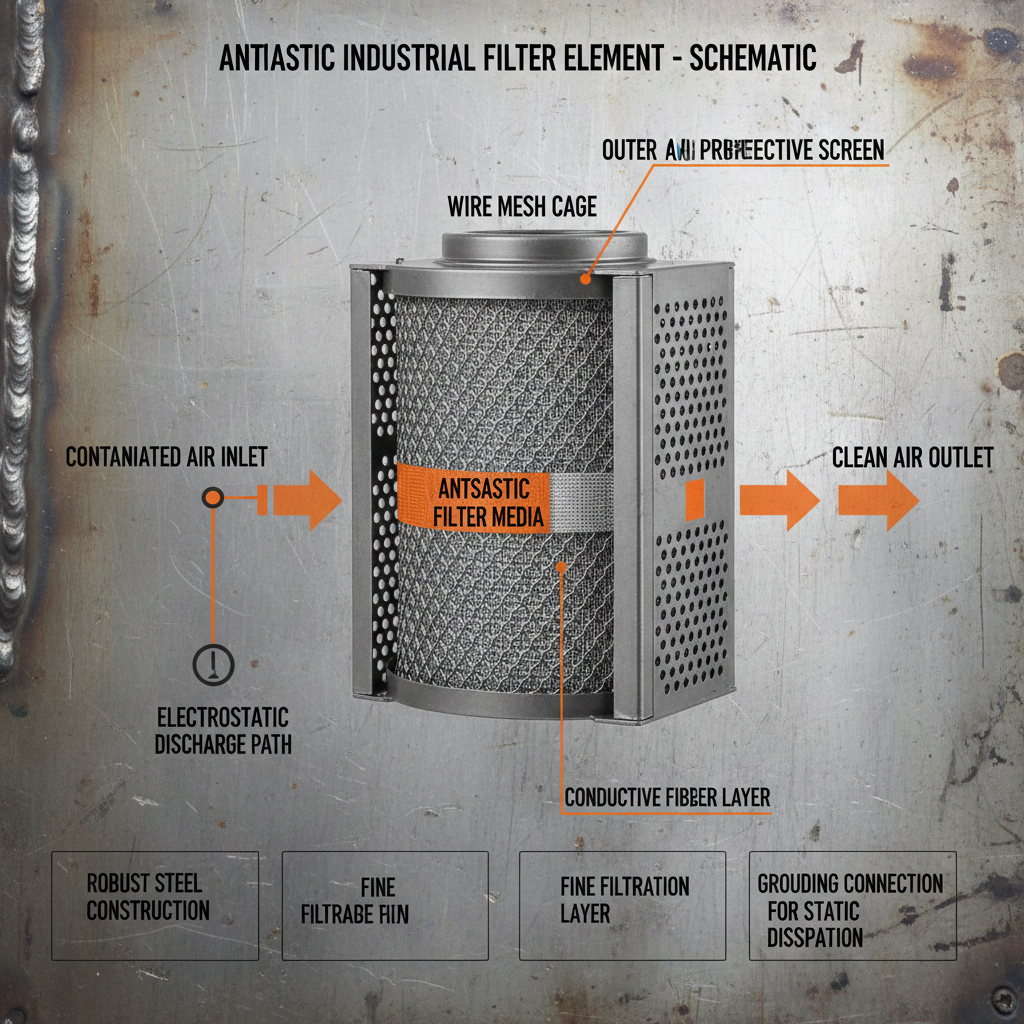
The structural integrity of an air filter for truck and industrial applications depends heavily on the choice of housing and media. The filter cartridge material is typically constructed from either galvanized steel plate or stainless steel, providing the necessary durability to withstand industrial pressures and corrosive environments. This ensures that the internal adsorption media remains secure and the airflow remains unidirectional.
Furthermore, the frame materials are designed for versatility and longevity, utilizing either cold-rolled steel plate with a protective spray coating or high-grade stainless steel. This flexibility allows the cartridges to be integrated into various frame assemblies based on the specific gas processing capacity required for the operation, ensuring a seamless fit within centralized ventilation systems.
One of the most significant advantages of this design is the ability to reuse the metal shell. While the activated carbon media is replaceable after it reaches saturation, the robust exterior housing can be maintained over long periods. This reduces material waste and lowers the overall operating costs for fleet and facility managers.
Adsorption Principles for Gas Removal
The operational success of an air filter for truck and ventilation setup relies on a dual adsorption mechanism: physical and chemical adsorption. Physical adsorption occurs when the porous structure of the activated carbon captures pollutant molecules through Van der Waals forces, effectively trapping them within the internal voids of the carbon matrix.
Complementing this is chemical adsorption, where specific chemical groups on the surface of the activated carbon react with harmful pollutants to form stable compounds. This dual-action approach allows the air filter for truck and industrial cartridges to remove a wider spectrum of contaminants, including acidic and alkaline gases, which cannot be captured by physical trapping alone.
Because of these complex interactions, these filters are highly effective at removing volatile organic compounds (VOCs), formaldehyde, and mercury vapor. This makes them an essential component in laboratories, medical facilities, and heavy industrial zones where air quality is subject to strict regulatory standards.
Performance Metrics and Efficiency Ratings
Evaluating the efficiency of an air filter for truck and industrial system requires looking at adsorption capacity and removal rates. High-performance cartridges are characterized by their ability to maintain low pressure drops while maximizing the contact time between the contaminated air and the activated carbon granules. This balance is crucial for ensuring that ventilation fans do not overwork while maintaining high purification standards.
The reliability of these filters is often measured by their saturation point—the moment when the available pore space in the carbon is fully occupied. By utilizing specially treated chemical formulas in the granular carbon, manufacturers can extend the lifespan of the media, ensuring a higher rating in removal efficiency for specific gases like radioactive or alkaline vapors.
Efficiency Comparison of Air Filter for Truck Media
Industrial and Commercial Application Scenarios
The versatility of the activated carbon filter cartridge makes it ideal for a variety of high-stakes environments. In commercial central air conditioning and centralized ventilation systems, these filters are specifically designed to remove stench and harmful gases, ensuring that indoor air quality meets health and safety codes. This is particularly vital in urban settings where external pollution levels are high.
Beyond office buildings, these solutions are deployed in specialized industrial zones. For example, in facilities dealing with volatile organic compounds or radioactive gases, customized activated carbon materials are used to target specific molecular threats. Whether it is a medical facility requiring sterile air or a laboratory handling hazardous chemicals, the adaptability of the filter frame and media ensures a tailored solution.
Long-term Value and Sustainability Benefits
Investing in a high-grade air filter for truck and industrial systems provides tangible economic benefits through reduced operational downtime. Because the metal shells are reusable and only the adsorption media needs replacement, the long-term cost of ownership is significantly lower than using disposable all-in-one units. This approach aligns with modern sustainability goals by reducing the volume of metallic waste entering landfills.
From a human-centric perspective, the reliability of these filters translates to increased safety and trust. Employees working in environments where harmful gases are present can operate with confidence, knowing that the air purification system is effectively neutralizing threats. This reduction in health risks leads to lower insurance premiums and higher employee retention.
Furthermore, the ease of installation and maintenance ensures that the system does not become a bottleneck in production. The ability to assemble frames according to the required gas processing capacity means that as a business scales, its air purification infrastructure can grow alongside it without requiring a complete system overhaul.
Future Trends in Air Purification Technology
The evolution of the air filter for truck and industrial sector is moving toward "smart filtration." Future iterations are likely to include integrated sensors that monitor the saturation level of the activated carbon in real-time. This will shift maintenance from a scheduled task to a condition-based requirement, eliminating the waste of replacing media that is still effective and preventing the danger of operating with a saturated filter.
Material science is also advancing, with the development of nano-engineered carbon structures that offer even larger specific surface areas. These innovations will allow for smaller filter footprints without sacrificing adsorption capacity, making it easier to integrate high-efficiency purification into compact truck cabins or tight industrial spaces.
Sustainability will remain a driving force, with an increasing focus on regenerable activated carbon. Technologies that allow the carbon media to be "reactivated" through thermal treatment on-site could potentially eliminate the need for media replacement entirely, moving the industry toward a truly circular economy.
Analysis of Air Filter for Truck Component Specifications
| Material Type |
Primary Target Pollutant |
Durability Score (1-10) |
Maintenance Level |
| Stainless Steel Shell |
Acidic/Alkaline Gases |
10 |
Low |
| Galvanized Steel Shell |
General Odors/Smoke |
7 |
Medium |
| Specially Treated Carbon |
VOCs/Formaldehyde |
8 |
High (Media Only) |
| Cold-Rolled Spray Frame |
Particulate/Gaseous Mix |
6 |
Medium |
| Mercury-Specific Media |
Mercury Vapor |
9 |
High |
| Radioactive Gas Media |
Radioactive Isotopes |
9 |
Strict/Regulated |
FAQS
Standard dust filters use mechanical straining to stop solid particles, whereas an activated carbon filter uses adsorption to remove gases, odors, and organic vapors. While a dust filter stops a grain of sand, the carbon filter stops the smell of diesel fumes or the presence of toxic VOCs through physical and chemical bonding.
Yes, the metal shells made of stainless steel or galvanized steel are designed for reuse. Only the internal activated carbon media needs to be replaced once it becomes saturated. This design significantly reduces material waste and lowers long-term operating costs for industrial users.
For acidic or alkaline gases, it is recommended to use stainless steel shells to prevent corrosion and specialized activated carbon media treated with specific chemical formulas. These tailored materials are engineered to react with and neutralize these specific gas types more effectively than standard carbon.
Replacement frequency depends on the pollutant concentration and airflow volume. Typically, media is replaced when the air quality begins to degrade or when a pressure drop is detected. Regular monitoring is recommended to ensure that the dual adsorption mechanism continues to function at peak efficiency.
Absolutely. Frames can be provided and assembled based on the required gas processing capacity. Whether you need a compact unit for a truck cabin or a large-scale array for a centralized industrial ventilation system, the components can be scaled to meet specific airflow requirements.
Yes, by removing harmful gases, smoke, and organic vapors, these filters help facilities and vehicle operators meet strict occupational health and safety (OSHA) and environmental standards, protecting human health and reducing liability.
Conclusion
In summary, the integration of activated carbon filter cartridges into air filter for truck and industrial systems represents a sophisticated approach to air purity. By combining the durability of stainless or galvanized steel housings with the powerful dual adsorption capabilities of treated carbon, these systems effectively neutralize a wide array of gaseous pollutants, from simple odors to dangerous radioactive vapors. The ability to replace media while reusing the shell ensures a sustainable, cost-effective solution for maintaining health and safety in demanding environments.
Looking forward, the shift toward smart monitoring and nano-engineered materials will only enhance the efficiency of air purification. For fleet managers and industrial engineers, prioritizing high-quality filtration is not just about compliance, but about ensuring the long-term viability of their assets and the wellbeing of their workforce. To explore our professional filtration solutions, visit our website: www.onlyfiltercartridge.com

 Email:admin@only-filter.com