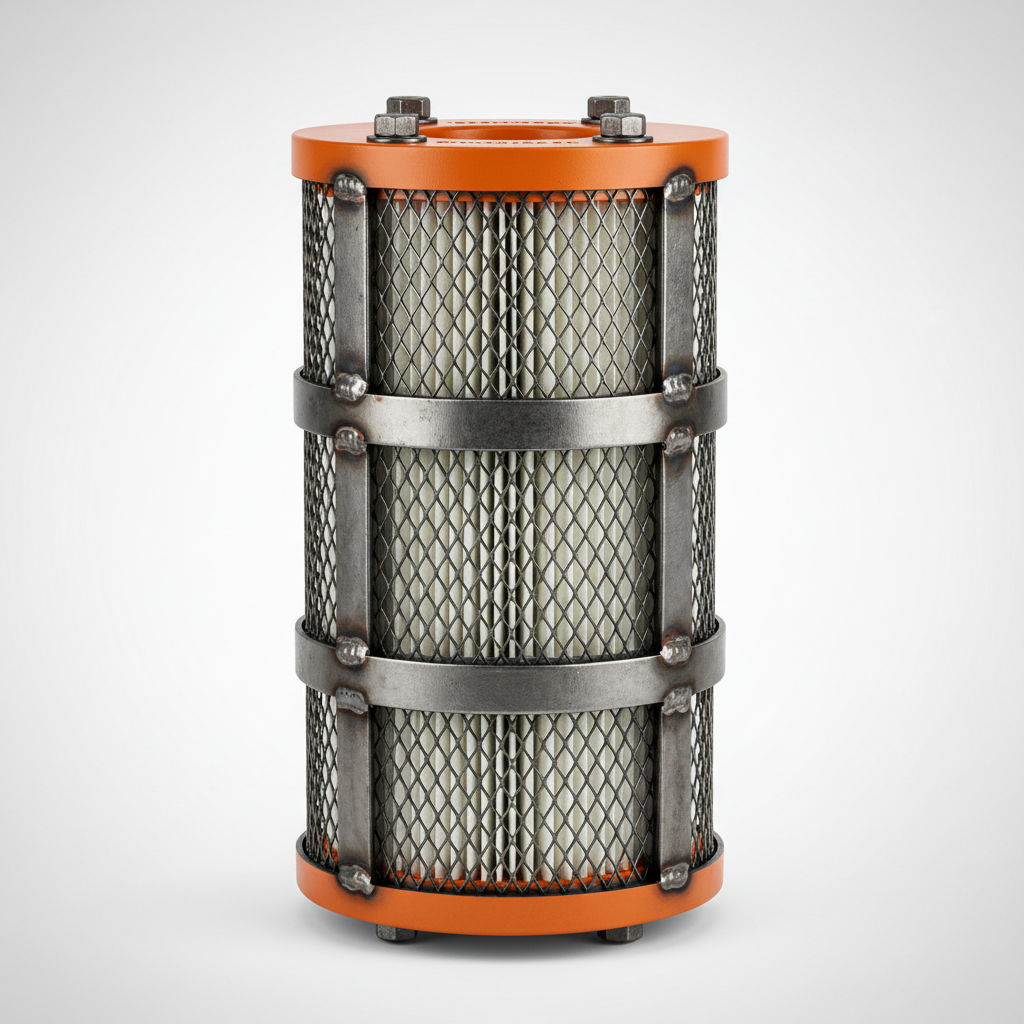
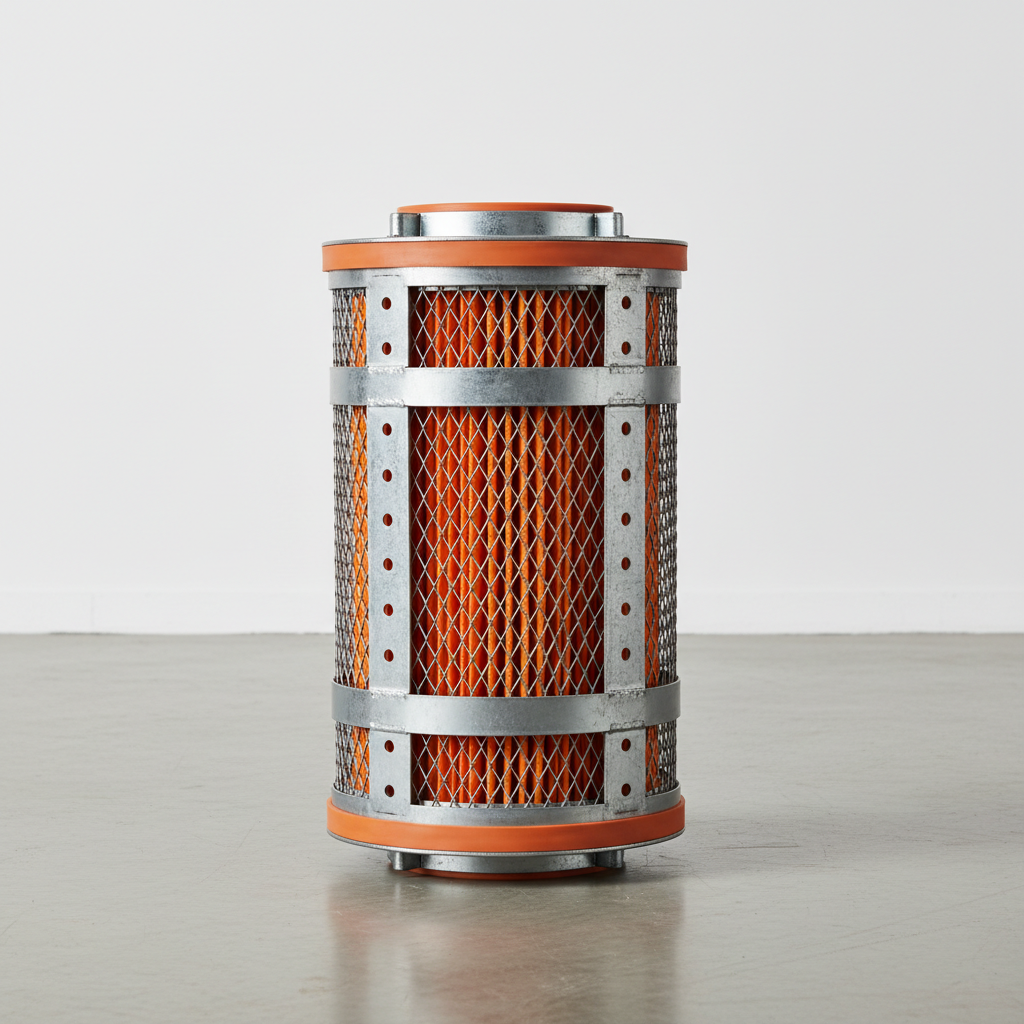
In the modern landscape of industrial filtration, the polyester filter cartridge has emerged as a cornerstone for maintaining air quality and operational efficiency. As industries strive to balance high productivity with stringent environmental regulations, selecting the right filtration media becomes critical. These cartridges are engineered to capture particulate matter with precision, ensuring that exhaust streams are cleaned before they enter the atmosphere, thereby protecting both the workforce and the environment.
Globally, the demand for robust filtration solutions is surging due to the tightening of ISO air quality standards and the rise of "green manufacturing." Whether it is in heavy machinery plants or specialized chemical processing units, the implementation of a high-quality polyester filter cartridge reduces downtime and prevents costly equipment failure caused by particulate contamination. By optimizing the airflow and maximizing dust holding capacity, these components serve as the first line of defense in industrial environmental control.
Understanding the nuances of polyester-based filtration is not merely a technical requirement but a strategic advantage. From enhancing the lifespan of downstream machinery to ensuring compliance with global health and safety mandates, the right filtration strategy directly impacts the bottom line. This guide explores the technical depth, practical applications, and future innovations of the polyester filter cartridge, providing a comprehensive roadmap for engineers and procurement specialists.
Global Relevance of Polyester Filter Cartridges
On a global scale, the shift toward sustainable industrialization has placed an unprecedented spotlight on air purification. According to WHO and ISO standards, particulate matter in industrial zones remains a primary challenge for public health and ecological stability. The polyester filter cartridge addresses this by providing a cost-effective, high-efficiency method for capturing airborne contaminants across diverse climates and regulatory environments.
From the manufacturing hubs of Southeast Asia to the precision engineering firms in Europe, the reliance on polyester media is driven by its versatility. The challenge lies in the sheer volume of dust and aerosols generated by modern production; without a reliable polyester filter cartridge, factories face increased risk of operational shutdowns and heavy fines for environmental non-compliance.
Defining the Polyester Filter Cartridge in Modern Industry
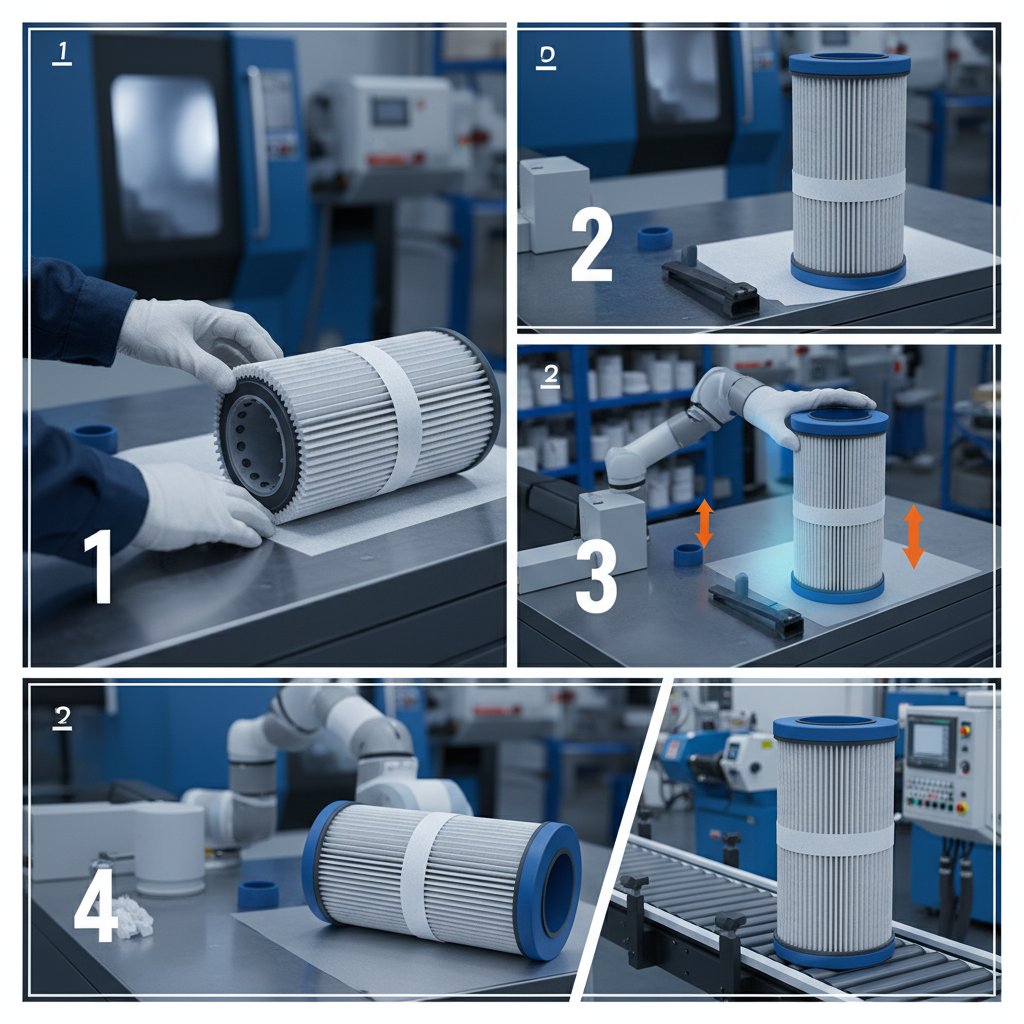
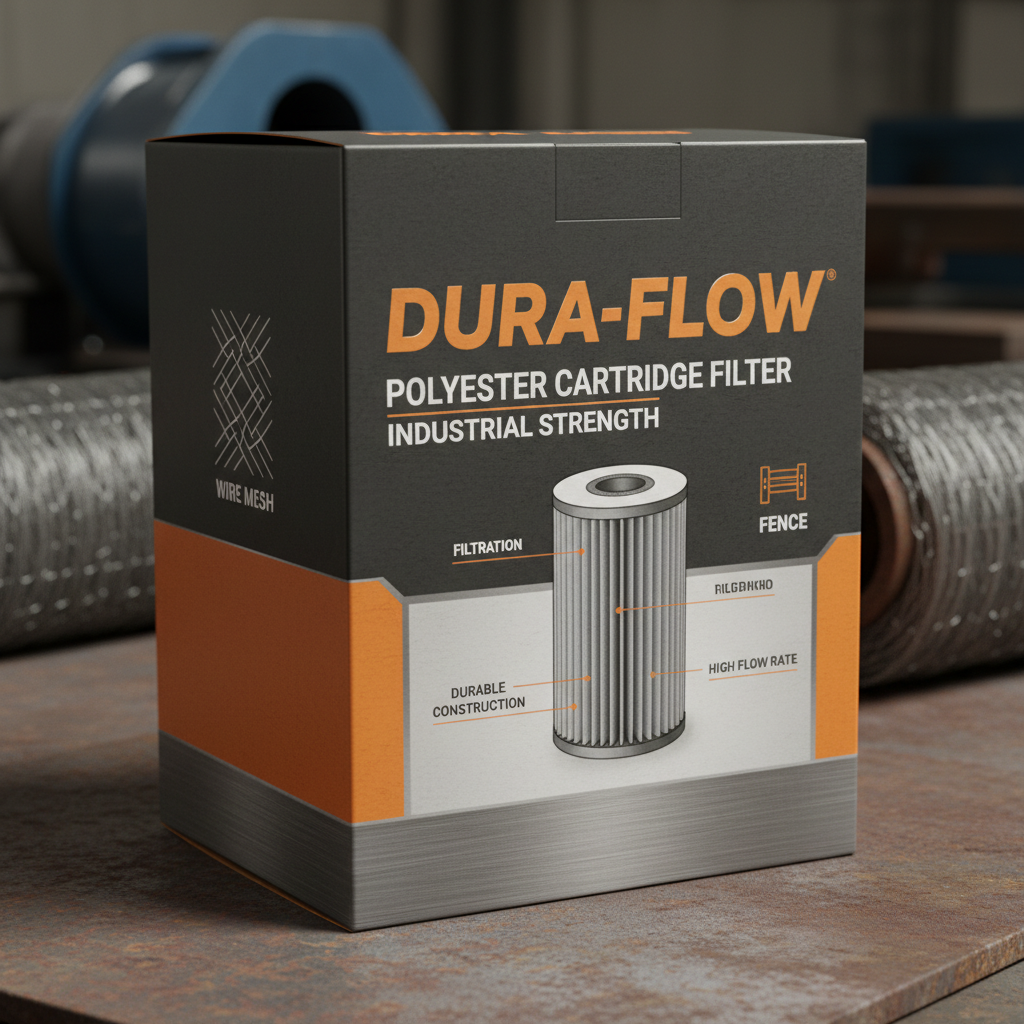
At its core, a polyester filter cartridge is a cylindrical filtration device constructed from high-grade polyester fibers, often needle-felted or woven to create a precise porous structure. This design allows air to pass through while trapping solid particles on the surface or within the depth of the media. Unlike simpler filters, these cartridges are engineered to withstand specific pressure drops and temperature fluctuations, making them indispensable for industrial dust collection systems.
In the context of modern humanitarian and industrial needs, these filters bridge the gap between productivity and purity. By integrating them into HVAC systems or specialized dust extractors, companies can ensure that the air breathed by operators is free from harmful silica or metallic dust. The material's inherent strength allows for frequent pulse-cleaning cycles, which extends the operational life of the unit and reduces waste.
The connection to modern industry is further solidified by the ability to treat polyester media with various coatings, such as PTFE or oleophobic finishes. This customization ensures that the polyester filter cartridge can handle not just dry dust, but also moist or sticky particulates, providing a tailored solution for industries ranging from food processing to automotive painting.
Core Components and Performance Factors
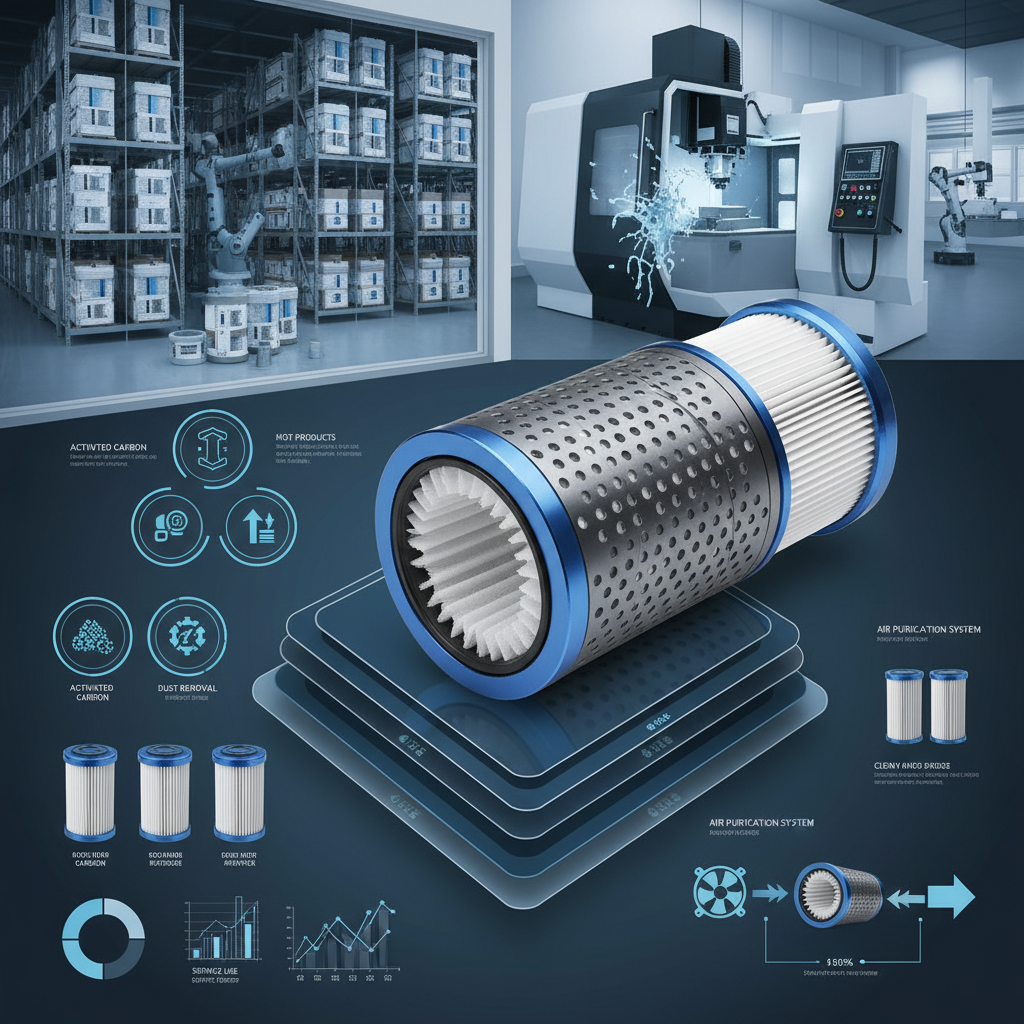
The efficiency of a polyester filter cartridge is determined by several key factors, primarily its filtration rating and structural integrity. The density of the polyester fibers dictates the micron size of particles that can be captured, while the reinforced end caps prevent air leakage, ensuring that 100% of the airflow passes through the media.
Durability is another critical component. A high-quality polyester filter cartridge must resist mechanical wear from high-velocity air pulses used during cleaning cycles. The tensile strength of polyester allows the cartridge to maintain its shape under pressure, which prevents "blinding" or the premature clogging of the filter pores.
Lastly, cost-efficiency and scalability play a vital role. Because polyester is a widely available and recyclable polymer, these cartridges offer a lower total cost of ownership (TCO) compared to exotic ceramic or glass fiber alternatives. This allows plants to scale their filtration capacity across thousands of units without incurring prohibitive capital expenditures.
Global Applications and Industrial Use Cases
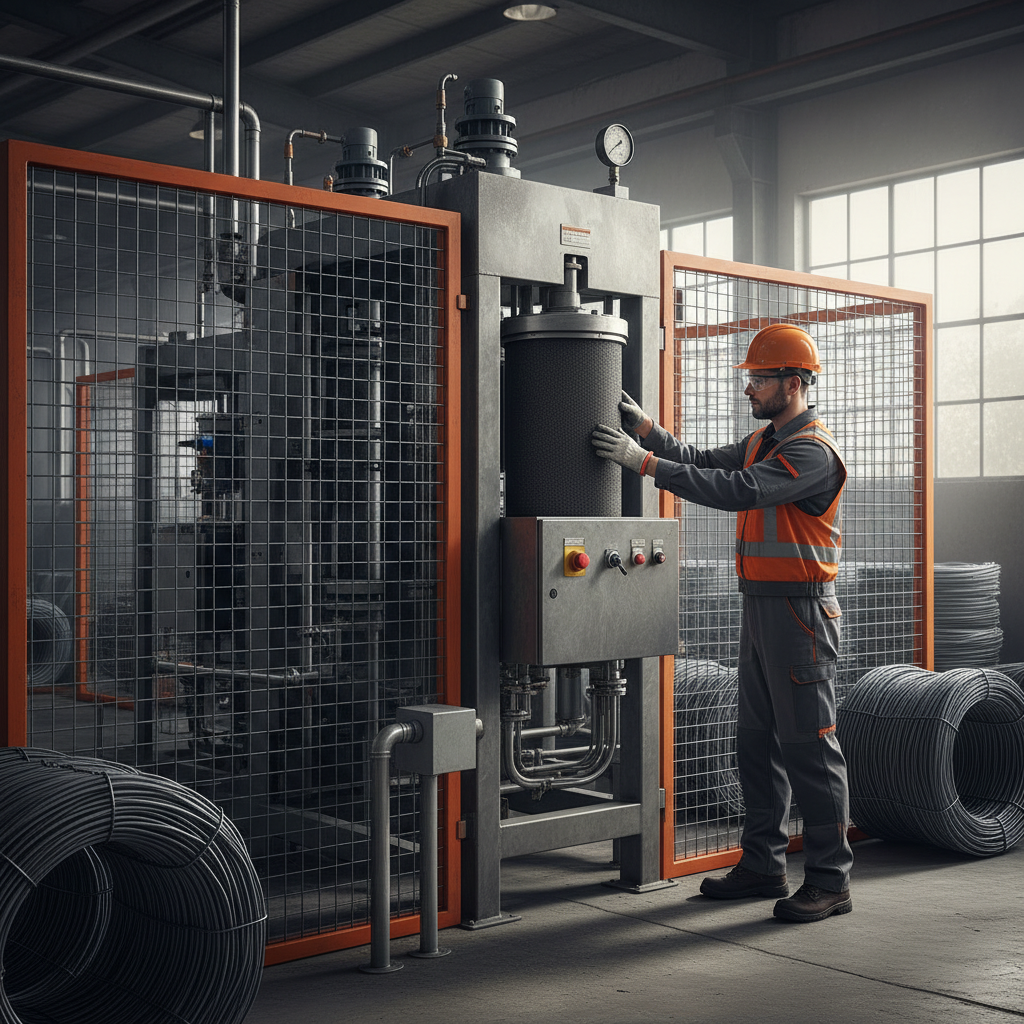
The practical application of the polyester filter cartridge spans across nearly every industrial sector. In the cement and mining industries of South America and Africa, these filters are used in massive baghouse systems to capture mineral dust, preventing respiratory diseases among workers and reducing the environmental footprint of the mines.
In more controlled environments, such as pharmaceutical labs or electronics assembly plants in East Asia, specialized versions of the polyester filter cartridge are used for fine particulate removal. For instance, in powder coating lines, they ensure that oversized particles do not contaminate the finish of a product, thereby maintaining high quality-control standards.
Performance Comparison of Polyester Filter Cartridge Types
Tangible Advantages and Long-Term Value
The primary value of implementing a polyester filter cartridge lies in its exceptional balance of reliability and sustainability. From a logical standpoint, the reduction in energy consumption is significant; a clean, efficient filter reduces the load on the vacuum blowers, leading to lower electricity bills. Emotionally, providing a clean working environment fosters trust and dignity among employees, who feel that their health is a priority for the organization.
Furthermore, the long-term social impact of using high-efficiency polyester filters is substantial. By preventing the release of hazardous dust into the surrounding community, companies avoid the "social cost" of pollution, such as local healthcare burdens and regulatory lawsuits. Innovation in the material's recyclability also aligns with the circular economy, turning an industrial consumable into a sustainable asset.
Future Trends in Filtration Innovation
The future of the polyester filter cartridge is being shaped by the digital transformation of industry. We are seeing the integration of "Smart Filters" equipped with differential pressure sensors that communicate directly with a central AI. This allows for predictive maintenance, where a cartridge is replaced based on actual saturation levels rather than a generic calendar schedule.
Material science is also evolving, with the introduction of nano-fibers embedded within the polyester matrix. These advancements allow for a polyester filter cartridge to capture sub-micron particles without significantly increasing the air resistance, effectively combining the benefits of HEPA filtration with the durability of industrial polyester.
Additionally, the push toward green energy is driving the development of bio-based polyesters. These eco-friendly alternatives aim to reduce the carbon footprint associated with the production of filter media, ensuring that the process of cleaning the air does not contribute to the pollution of the planet.
Overcoming Challenges in Filter Maintenance
Despite their advantages, users often face challenges such as "filter cake" buildup and moisture-induced clogging. When a polyester filter cartridge is exposed to high humidity, particles can clump together, forming an impermeable layer. To solve this, experts recommend the use of hydrophobic coatings and optimized pulse-jet cleaning frequencies to ensure the cake is shed effectively.
Another common issue is improper installation, which leads to air bypassing the filter media. This "leakage" renders the filtration system useless and can cause sudden spikes in emissions. The solution lies in adopting standardized installation protocols and using high-precision gaskets that ensure a vacuum-tight seal between the cartridge and the housing.
Finally, the dilemma of "over-filtration" can lead to unnecessary pressure drops and energy waste. By analyzing the specific particle size distribution of the dust being collected, engineers can select the optimal polyester filter cartridge grade, ensuring that the system is neither under-performing nor over-engineered.
Analysis of Polyester Filter Cartridge Maintenance and Performance Metrics
| Filter Grade |
Avg. Lifespan (Months) |
Pressure Drop (Pa) |
Maintenance Ease (1-10) |
| Standard Grade |
6-8 |
1200 |
8 |
| PTFE Coated |
12-18 |
800 |
9 |
| High-Density Felt |
4-6 |
1500 |
6 |
| Woven Polyester |
9-12 |
1000 |
7 |
| Nano-Composite |
15-24 |
700 |
10 |
| Oil-Resistant |
8-10 |
1100 |
7 |
FAQS
Replacement intervals vary based on dust load and cleaning efficiency. Typically, a high-quality polyester filter cartridge lasts between 6 to 18 months. However, the best practice is to monitor the differential pressure across the filter; once the pressure drop exceeds the manufacturer's recommended limit despite pulse-cleaning, it is time for a replacement to avoid equipment strain.
Standard polyester is susceptible to moisture, which can cause "mudding" or clogging. For humid environments, we recommend a polyester filter cartridge with a hydrophobic coating or a PTFE membrane. These treatments repel water molecules, ensuring that only the dry particulates are captured and that the filter remains easy to clean via air pulses.
Needle-felted polyester is a non-woven material that provides "depth filtration," trapping particles throughout the thickness of the media, which is ideal for high dust loads. Woven polyester, conversely, provides "surface filtration," where particles are stopped at the surface. Woven options generally offer lower pressure drops and are easier to clean but may have lower overall dust-holding capacities.
Yes, polyester is a thermoplastic that can be recycled. Furthermore, by significantly reducing the emission of industrial pollutants into the air, the use of a polyester filter cartridge contributes to a lower environmental impact. Many manufacturers are now moving toward bio-based polyesters to further reduce the carbon footprint of the production process.
The most common signs of a leak in a polyester filter cartridge are a sudden drop in differential pressure or visible dust emissions from the clean-air outlet. We recommend performing a "fluorescent powder test," where a tracer powder is introduced into the system; any glow detected on the clean side indicates a leak in the seal or a tear in the media.
While some surface-loading filters can be cleaned, industrial polyester filter cartridges are generally designed for air-pulse cleaning. Manual washing with water or chemicals can damage the fiber structure or strip away specialized coatings (like PTFE), leading to a loss in filtration efficiency. It is always safer to follow the manufacturer's replacement guidelines.
Conclusion
In summary, the polyester filter cartridge stands as an indispensable tool in the pursuit of industrial purity and operational excellence. By combining structural durability, cost-effectiveness, and high filtration efficiency, it solves the critical challenge of particulate control across a vast array of global industries. From the fundamental engineering of its fibers to the integration of smart monitoring systems, the evolution of this component reflects the broader industrial shift toward sustainability and precision.
Looking ahead, the adoption of nano-materials and bio-based polymers will further elevate the role of the polyester filter cartridge in the circular economy. For companies seeking to optimize their air purification systems, investing in high-grade, tailored filtration solutions is no longer optional—it is a necessity for long-term competitiveness and environmental stewardship. Visit our website for more professional solutions: www.onlyfiltercartridge.com.

 Email:admin@only-filter.com
 Tel:
+8615930870079
Tel:
+8615930870079