In the demanding world of industrial air filtration, the polyester cartridge filter has emerged as a cornerstone for maintaining clean operational environments and ensuring machinery longevity. These specialized components are engineered to capture particulate matter with high efficiency, preventing airborne contaminants from infiltrating sensitive equipment or compromising air quality in manufacturing facilities. By integrating advanced synthetic fibers, these filters offer a robust balance between airflow permeability and particle retention, making them indispensable in modern environmental control systems.
Globally, the shift toward stricter emission standards and workplace safety regulations has amplified the importance of choosing the right filtration media. Industries ranging from pharmaceutical production to heavy metal fabrication rely on the consistent performance of the polyester cartridge filter to mitigate the risks associated with dust-borne pollutants. As global industrial output increases, the demand for filters that can withstand harsh chemical environments while maintaining a low pressure drop has become a primary focus for plant engineers and facility managers.
Understanding the nuances of polyester-based filtration is not merely a technical requirement but a strategic advantage. By optimizing the use of these cartridges, companies can significantly reduce downtime caused by filter clogging, lower their overall energy consumption, and ensure compliance with international ISO air quality standards. This guide delves into the technical specifications, global applications, and future innovations surrounding the polyester cartridge filter to help you make an informed procurement decision.
Global Relevance of Polyester Cartridge Filters
The global industrial landscape is currently facing a critical challenge: balancing rapid production growth with stringent environmental protections. The polyester cartridge filter serves as a vital tool in this struggle, particularly in regions with high industrial density such as East Asia and North America. By capturing micron-sized particles before they enter the atmosphere, these filters help industries meet the rigorous air quality guidelines set by organizations like the WHO and various national EPA agencies.
Beyond simple compliance, the adoption of high-quality polyester filtration is driven by the need for operational efficiency. In large-scale manufacturing, a failure in the air filtration system can lead to catastrophic machinery failure or hazardous workplace conditions. Therefore, the strategic implementation of the polyester cartridge filter ensures that production lines remain active while safeguarding the health of the workforce, effectively turning a maintenance necessity into a competitive advantage.
Technical Definition and Industrial Meaning
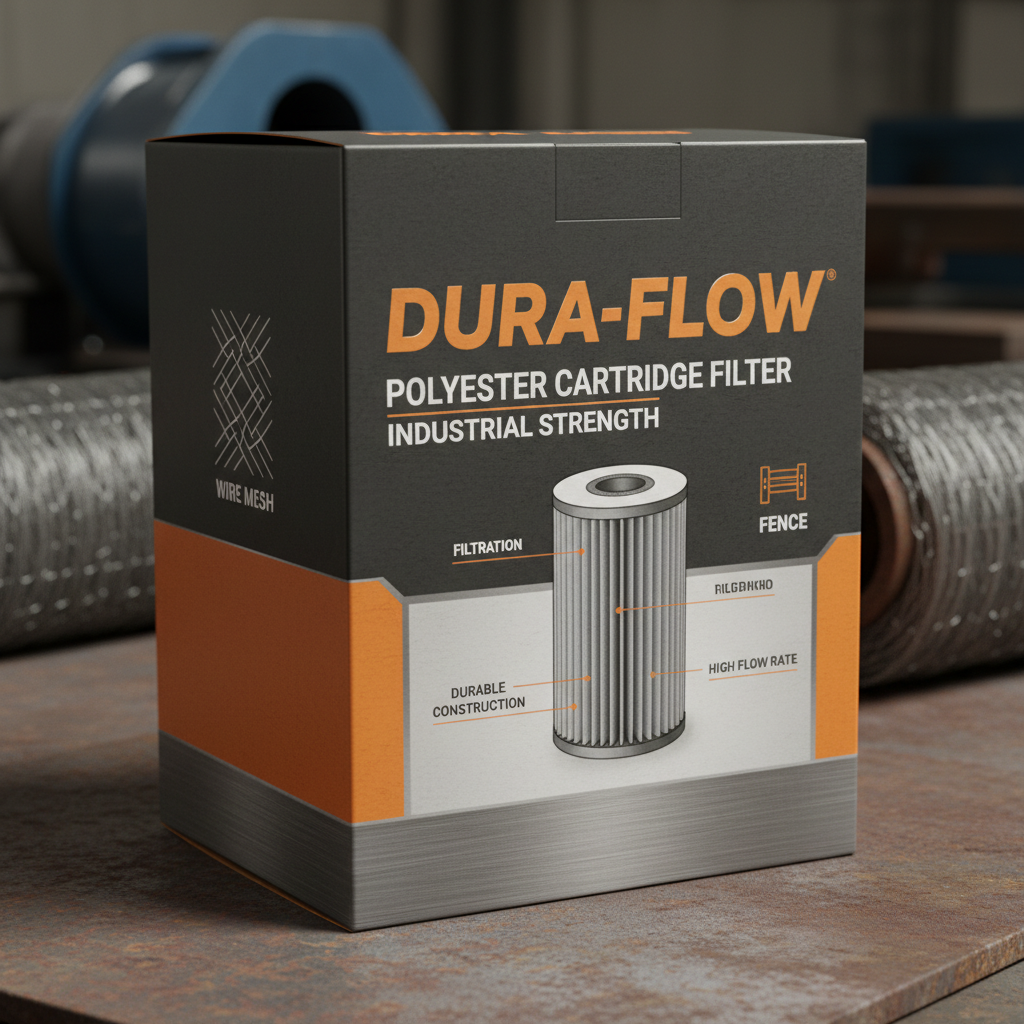
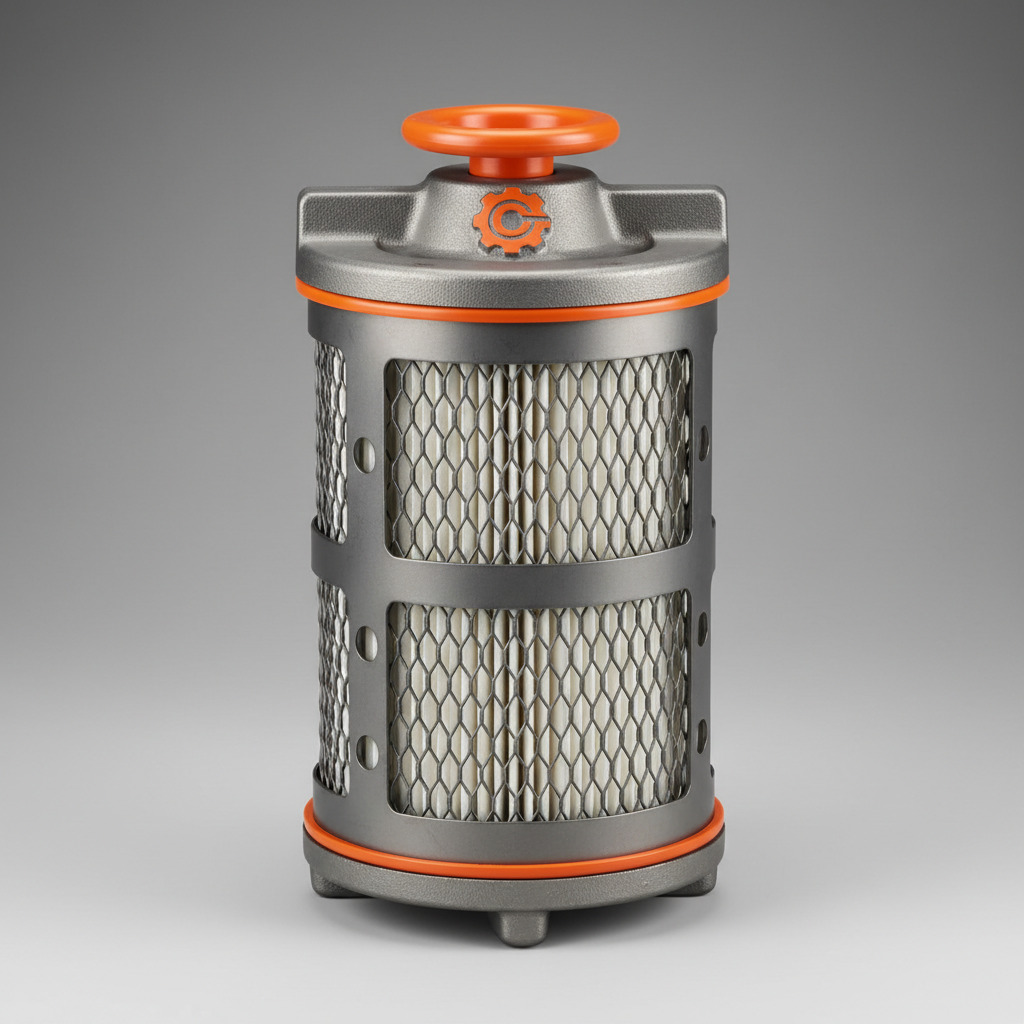
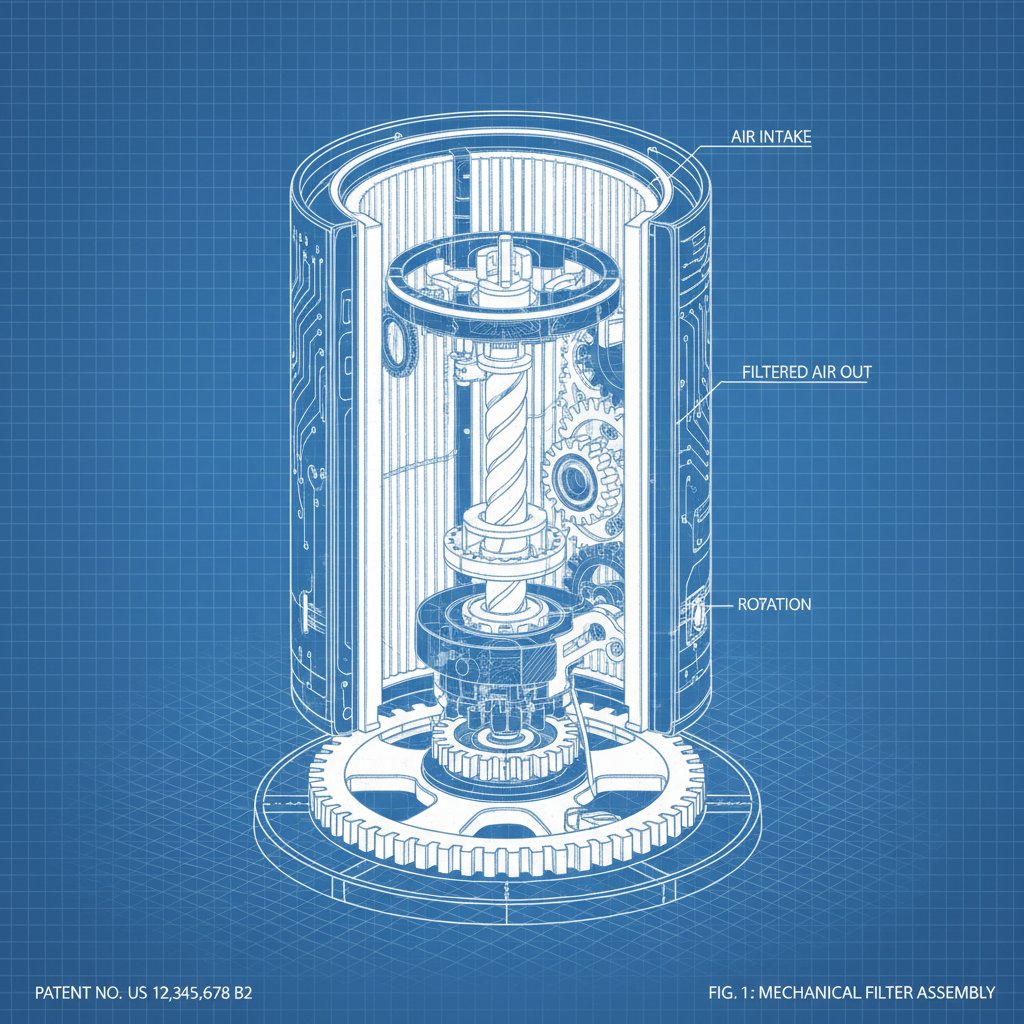
At its core, a polyester cartridge filter is a cylindrical filtration device constructed from non-woven polyester fibers. Unlike flat bag filters, the cartridge design maximizes the surface area within a compact footprint, allowing for a higher volume of air to be processed without increasing the overall size of the filtration unit. The polyester material is specifically chosen for its excellent balance of mechanical strength, thermal stability, and resistance to hydrolysis.
In the context of modern industry, these filters represent the intersection of material science and mechanical engineering. The "meaning" of a polyester cartridge extends beyond its physical form; it is a barrier against industrial degradation. Whether used in dust collectors or as pre-filters for more sensitive Activated Carbon Filter Cartridges, they act as the first line of defense, protecting downstream components from heavy particulate loading.
For humanitarian and urban infrastructure needs, this technology is equally critical. In areas where industrial zones overlap with residential neighborhoods, the deployment of high-efficiency polyester cartridge filter systems prevents the leakage of toxic dust and fumes into the community. This makes the technology not just an industrial tool, but a critical component of corporate social responsibility and urban health management.
Core Components and Performance Factors
The effectiveness of a polyester cartridge filter is determined by several key structural factors. First is the Media Density; the way polyester fibers are needle-punched or melt-blown dictates the micron rating and the initial pressure drop. A tighter weave captures smaller particles but requires more energy to push air through, necessitating a precise calibration based on the specific dust type being filtered.
Another critical aspect is Thermal and Chemical Resilience. Polyester is naturally robust, but for specialized environments, the polyester cartridge filter may be treated with oleophobic or hydrophobic coatings. This prevents oils and moisture from "blinding" the filter media, ensuring that the cartridge remains permeable and can be cleaned effectively through pulse-jet systems.
Finally, the Structural Integrity of the end caps and the core support is paramount. A filter that collapses under high vacuum pressure is useless. High-grade polyester cartridge filter units utilize galvanized steel or reinforced plastics to maintain their shape, ensuring a leak-proof seal that prevents "bypass," where unfiltered air escapes around the edges of the media.
Global Applications and Use Cases
The versatility of the polyester cartridge filter allows it to be deployed across a vast array of sectors. In the woodworking and furniture industry, these filters are essential for capturing fine sawdust that would otherwise pose a significant fire risk and respiratory hazard. In the metalworking sector, they are used in fume extraction systems to remove metallic oxides and grinding dust from the air.
Beyond traditional factories, we see these filters in remote industrial zones, such as mining sites in Australia or oil refineries in the Middle East. In these environments, the durability of a polyester cartridge filter is tested by extreme temperature swings and high dust concentrations. Their ability to be cleaned in-situ via compressed air pulses makes them far more practical than disposable filters in remote locations where logistics for replacements are challenging.
Performance Comparison of Various Polyester Cartridge Filter Types
Long-Term Value and Sustainability
Investing in a premium polyester cartridge filter provides tangible economic benefits over the lifecycle of a filtration system. While lower-cost alternatives may seem attractive initially, they often suffer from rapid degradation and higher pressure drops, leading to increased electricity costs for the blowers and more frequent replacements. A high-quality polyester filter extends the intervals between changes, reducing waste and lowering the total cost of ownership (TCO).
From a sustainability perspective, the longevity of the polyester cartridge filter reduces the volume of industrial waste sent to landfills. Furthermore, by maintaining peak filtration efficiency, these cartridges prevent the release of harmful particulate matter into the local ecosystem, aligning industrial operations with "Green Factory" initiatives. This creates a cycle of trust between the manufacturer and the community, proving that productivity does not have to come at the cost of environmental integrity.
Future Trends and Smart Innovations
The future of the polyester cartridge filter is being shaped by the integration of IoT and "Smart Filtration." We are seeing the emergence of cartridges embedded with differential pressure sensors that communicate directly with a central control system. Instead of scheduled replacements, filters can now be changed based on real-time performance data, drastically reducing waste and preventing unexpected system shutdowns.
Material science is also evolving, with the development of nano-fiber coatings applied to standard polyester substrates. These innovations allow the polyester cartridge filter to capture sub-micron particles without significantly increasing the pressure drop. This "hybrid" approach combines the mechanical strength of polyester with the precision of nanotechnology, pushing the boundaries of what is possible in air purification.
Additionally, there is a growing movement toward circularity. New recycling processes are being developed to reclaim polyester fibers from spent cartridges, turning old filters into raw materials for other industrial products. This transition from a linear "use-and-dispose" model to a circular economy ensures that the polyester cartridge filter remains a sustainable choice for the next generation of environmental control equipment.
Common Challenges and Expert Solutions
One of the most persistent challenges with the polyester cartridge filter is "filter blinding," where particles become deeply embedded in the media and cannot be removed by pulse-cleaning. This often occurs when the dust is hygroscopic or oily. The expert solution here is the application of a PTFE (Polytetrafluoroethylene) membrane, which creates a surface-loading mechanism rather than depth-loading, allowing particles to slide off easily during the cleaning cycle.
Another common issue is premature wear caused to the polyester fibers by high-velocity air pulses. If the pulse-jet system is too aggressive, it can tear the media; if it is too weak, the filter remains clogged. Precision tuning of the pulse valve timing and pressure is essential to maximize the lifespan of the polyester cartridge filter, balancing cleaning efficiency with material preservation.
Finally, selecting the wrong micron rating can lead to either poor air quality or excessive energy consumption. We recommend a comprehensive dust analysis before procurement. By understanding the particle size distribution of the contaminant, engineers can select a polyester cartridge filter that provides the optimal balance of filtration efficiency and airflow, ensuring the system operates at its theoretical peak.
Comparative Analysis of Polyester Cartridge Filter Configurations
| Filter Configuration |
Dust Holding Capacity |
Cleaning Efficiency |
Relative Lifespan |
| Standard Needle-felt |
High |
Moderate |
6/10 |
| PTFE Membrane Coated |
Moderate |
Excellent |
9/10 |
| Pleated Polyester |
Very High |
Good |
8/10 |
| Oleophobic Treated |
Moderate |
High |
7/10 |
| High-Temp Polyester |
Moderate |
Moderate |
7/10 |
| Composite Multi-layer |
High |
High |
8/10 |
FAQS
The primary advantage is the surface area. A polyester cartridge filter uses pleating to pack a massive amount of filtration media into a small cylinder. This allows for higher airflow rates and more efficient dust capture without requiring a massive housing unit, which saves significant floor space in industrial plants.
Replacement intervals vary based on dust load and cleaning efficiency. However, a general rule is to replace them when the differential pressure across the filter exceeds the manufacturer's recommended limit despite pulse-cleaning. Typically, high-quality cartridges last between 12 to 24 months in standard industrial environments.
Standard polyester is resistant to hydrolysis, but for environments with high moisture or oil, we recommend a hydrophobic or oleophobic treatment. This prevents the media from becoming "blinded" by liquid films, ensuring that the filter continues to breathe and capture dry particles effectively.
Yes. A lower micron rating (finer filtration) generally increases the initial resistance to airflow, which means your blower fans must work harder to maintain the same CFM. Choosing the correct polyester cartridge filter that meets your air quality needs without over-filtering is key to reducing energy costs.
Blinding occurs when particles are trapped so deeply in the fibers that pulse-cleaning can't remove them. You can identify this if your differential pressure remains high even immediately after a cleaning cycle. At this point, the polyester cartridge filter has reached the end of its useful life and must be replaced.
While they are synthetic, their long lifespan and high efficiency make them a sustainable choice compared to disposable filters. Furthermore, the industry is moving toward recyclable polyester media, which allows spent filters to be processed into new plastic products, reducing the overall environmental footprint.
Conclusion
The polyester cartridge filter stands as an essential component in the modern industrial toolkit, offering a sophisticated blend of durability, efficiency, and cost-effectiveness. From its ability to protect sensitive machinery in harsh environments to its role in ensuring workplace safety and environmental compliance, the value of high-quality polyester filtration cannot be overstated. By focusing on key factors such as media density, structural integrity, and proper maintenance, industries can achieve an optimal balance between production output and air purity.
Looking forward, the integration of smart sensors and sustainable material recycling will further elevate the role of these filters in the "Industry 4.0" era. We encourage facility managers and engineers to move beyond a "commodity" mindset and view their filtration system as a strategic asset. Investing in the right polyester cartridge filter today ensures a cleaner, safer, and more profitable tomorrow. For high-performance filtration solutions, visit our website: www.onlyfiltercartridge.com

 Email:admin@only-filter.com
 Tel:
+8615930870079
Tel:
+8615930870079