Email:admin@only-filter.com
Tel:
+8615930870079
If you are interested in our products, you can choose to leave your information here, and we will be in touch with you shortly.
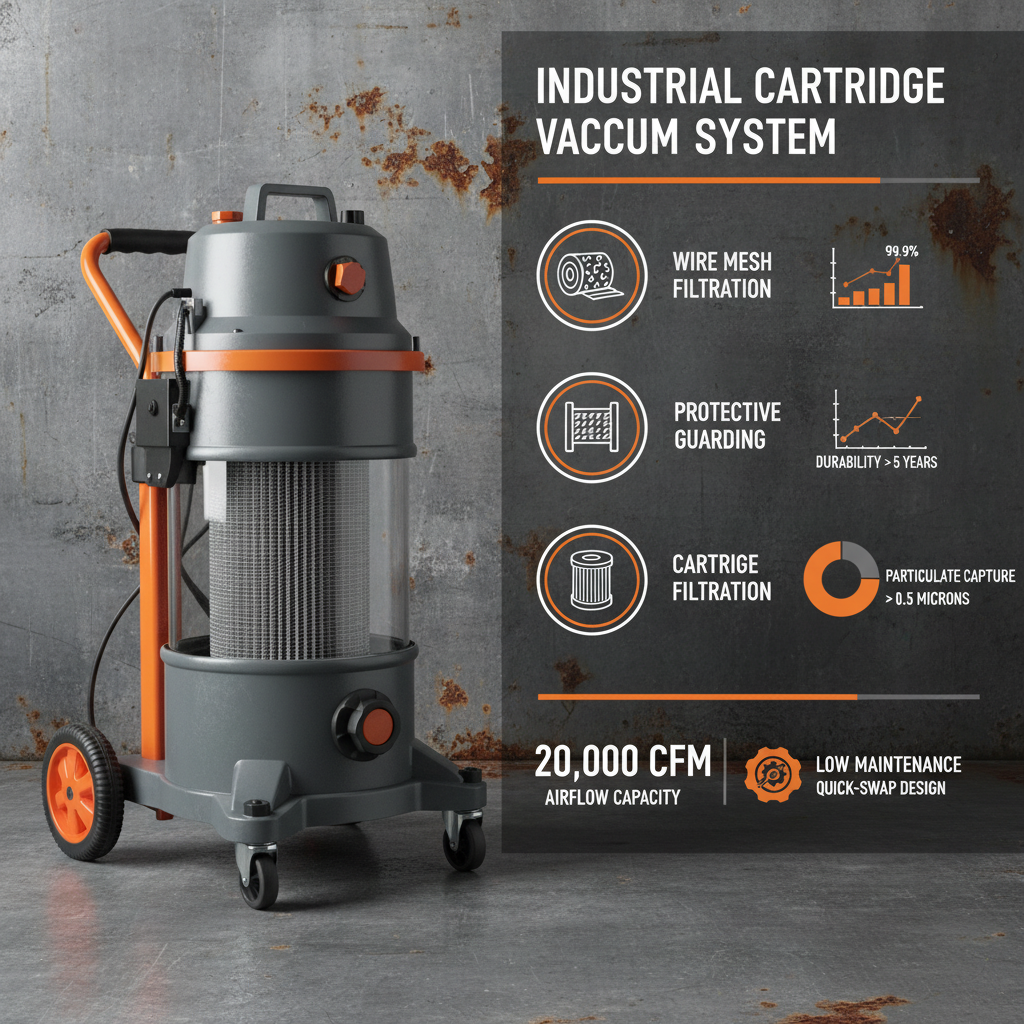
The efficiency of industrial air filtration has been revolutionized by the integration of the cartridge vacuum system, a critical technology designed to capture fine particulate matter and volatile organic compounds. In modern manufacturing, maintaining a sterile and dust-free environment is no longer just a regulatory requirement but a cornerstone of operational excellence and employee health.
Across the globe, industries ranging from pharmaceutical synthesis to heavy metal fabrication rely on the precision of cartridge vacuum technology to prevent cross-contamination and reduce the carbon footprint of industrial emissions. By utilizing advanced pleating techniques and high-grade synthetic media, these systems offer a superior surface area-to-volume ratio compared to traditional bag filters.
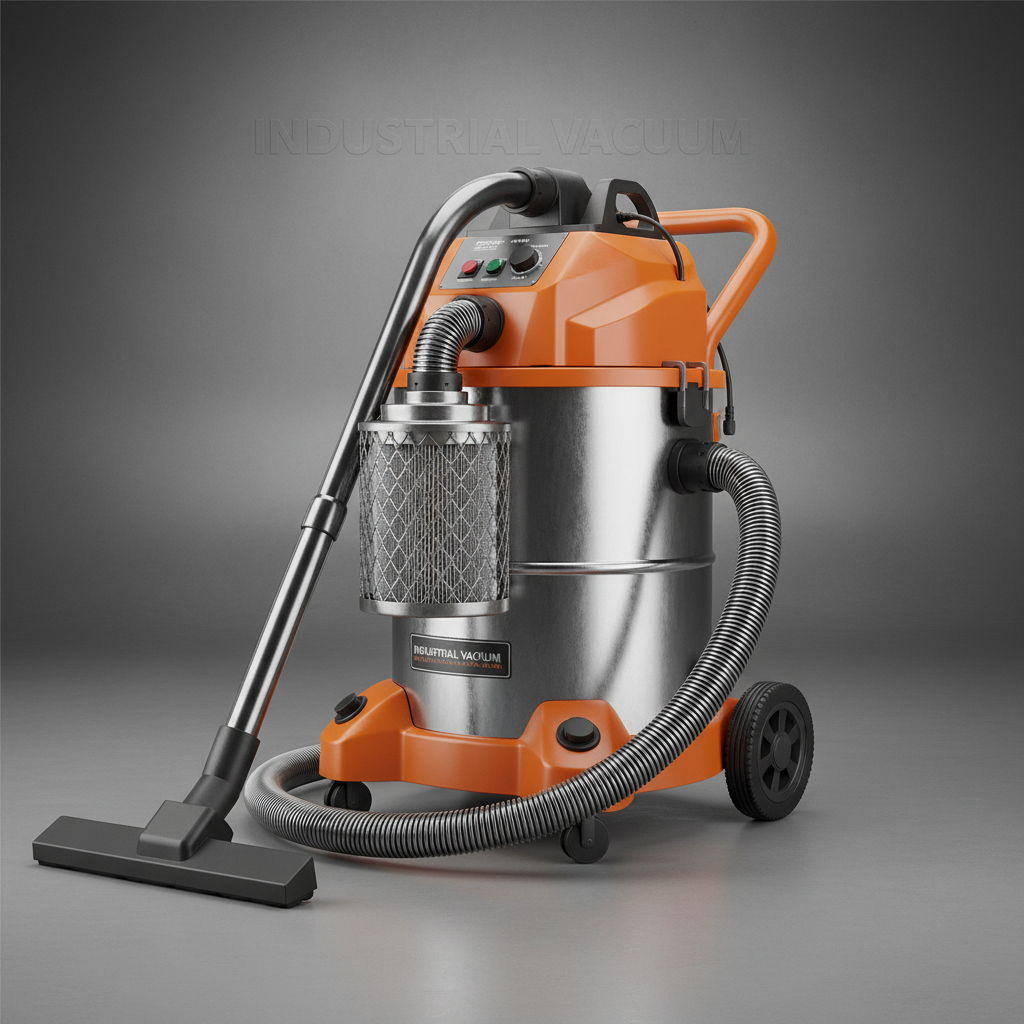
The global demand for high-efficiency air purification has surged as ISO 14001 standards and stringent EPA regulations force manufacturers to rethink their exhaust systems. The cartridge vacuum has emerged as the primary solution to combat the "invisible threat" of sub-micron particles, which can cause systemic equipment failure and chronic health issues for operators.
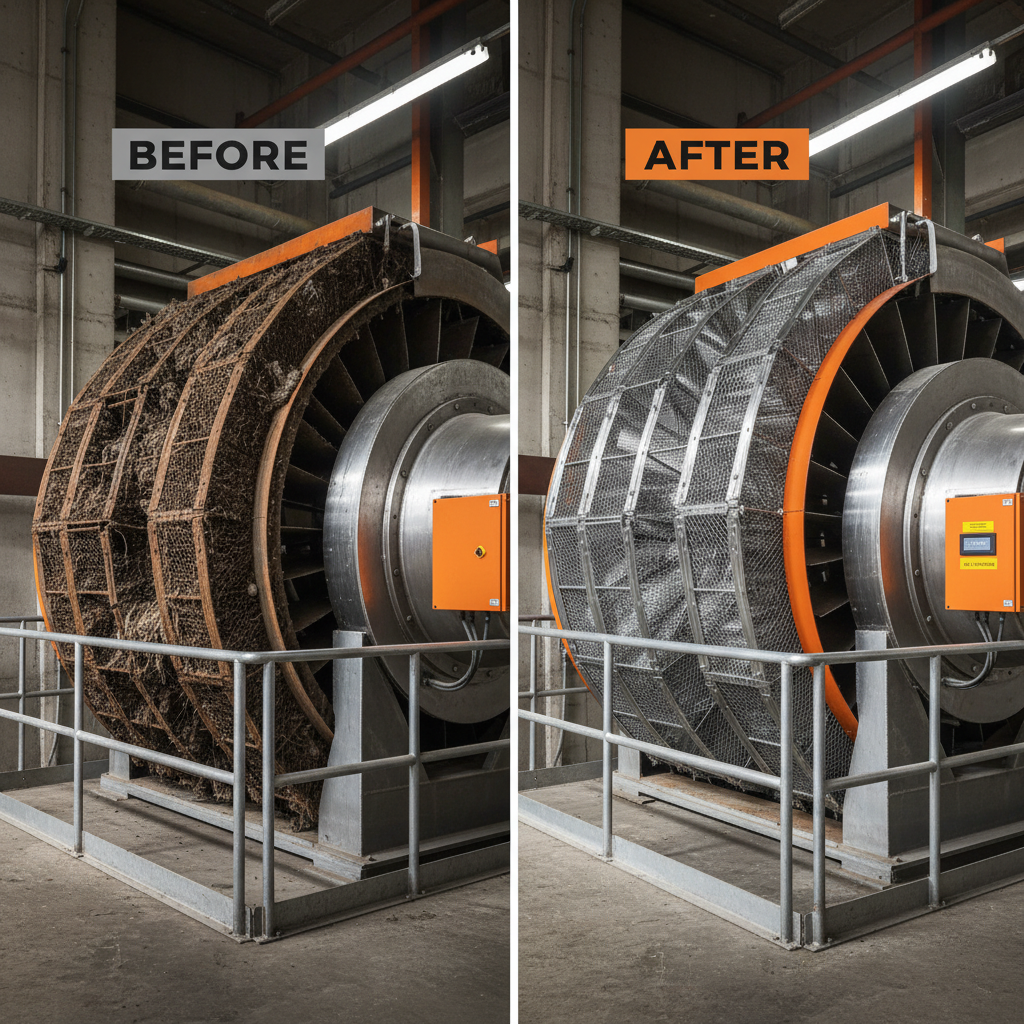
Statistically, industries utilizing advanced cartridge-based vacuum systems report a significant decrease in downtime—often up to 20%—due to the ease of replacement and higher dust-holding capacity. This global shift toward modular filtration is driven by the need for scalability in rapidly expanding industrial zones across Asia and North America.
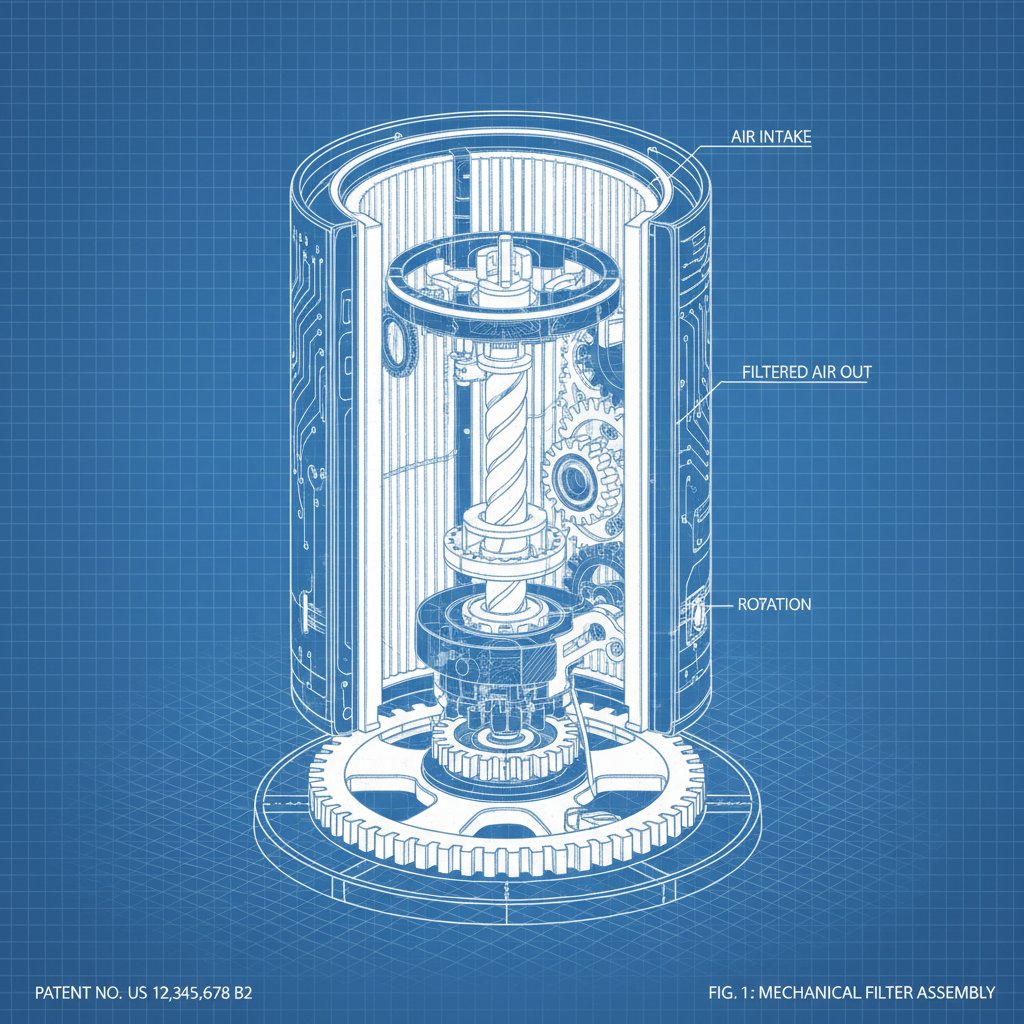
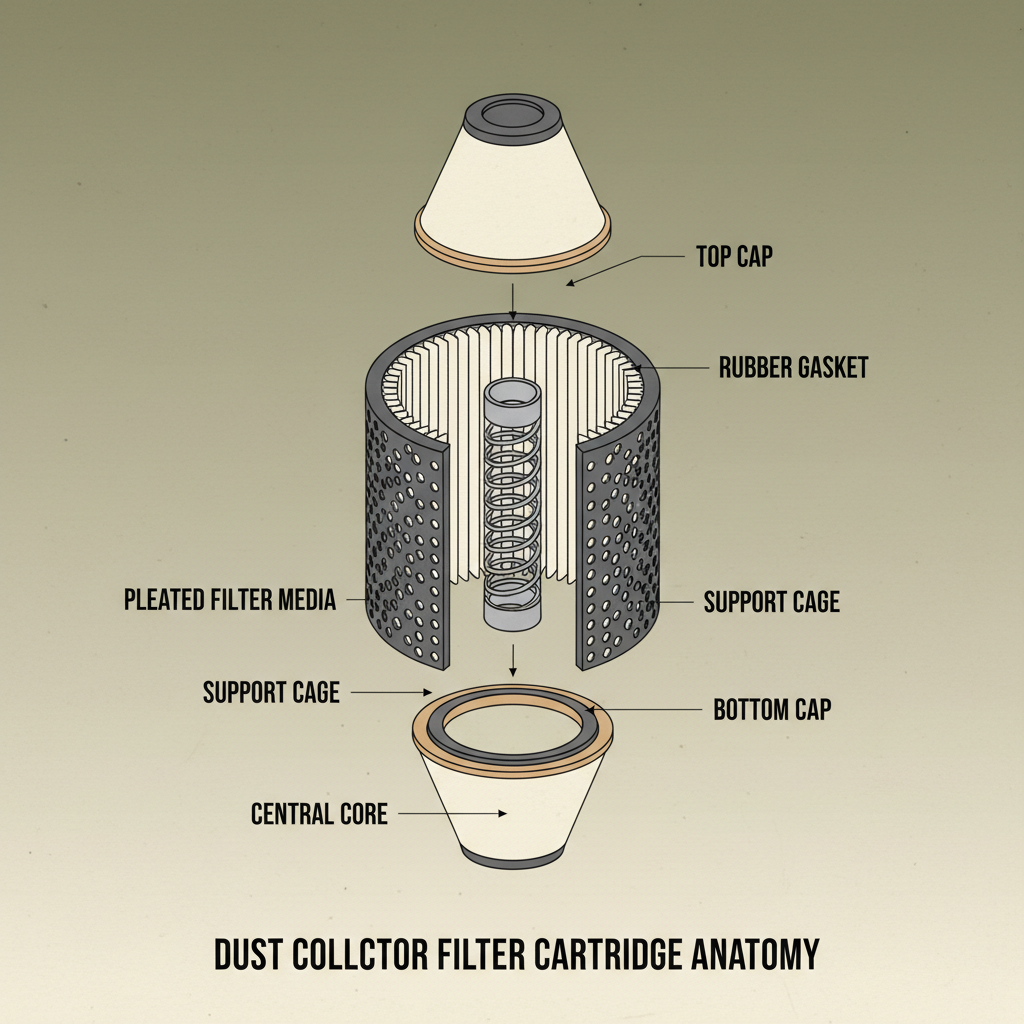
Unlike traditional baghouses, the cartridge design is engineered for the rigorous demands of modern industry. Whether it is an Activated Carbon Filter Cartridge for gas-phase pollutants or a Dust Removal Filter Cartridge for solid particulates, the vacuum mechanism ensures that contaminants are trapped deeply within the pleats while maintaining a steady airflow.
This technology bridges the gap between basic ventilation and high-precision cleanroom standards. By combining mechanical vacuum suction with advanced material science, it provides a reliable barrier that protects both the machinery from abrasive dust and the environment from hazardous emissions.
Scalability is another critical factor; a well-designed cartridge vacuum allows for the addition of more cartridges as the factory's production volume increases. This modular approach prevents the need for entirely new system installations, significantly reducing capital expenditure.
Finally, cost efficiency is achieved through optimized cleaning cycles. Many modern systems incorporate automated pulse-jet cleaning, which uses bursts of compressed air to knock dust off the cartridge vacuum media, thereby extending the interval between manual filter replacements.
When evaluating different filtration strategies, it becomes evident that the cartridge vacuum outperforms traditional methods in terms of space utilization and particulate capture. The ability to handle a wide range of particle sizes—from coarse dust to microscopic fumes—makes it a versatile tool for complex manufacturing environments.
To better understand the efficacy, we compare various cartridge vacuum configurations based on their operational ratings, focusing on airflow stability, filtration efficiency, and maintenance ease.
In remote industrial zones, where access to replacement parts is limited, the reliability of a cartridge vacuum is paramount. For instance, in mining operations, these systems are used to extract hazardous silica dust from the air, ensuring that workers are not exposed to carcinogenic particles during the crushing process.
Similarly, in the electronics industry, the use of cartridge vacuum systems integrated with Activated Carbon Filter Cartridges is essential for removing volatile organic compounds (VOCs) that could otherwise contaminate semiconductor wafers and ruin entire production batches.
The long-term value of investing in a high-quality cartridge vacuum extends beyond simple air cleanliness. By reducing the load on secondary ventilation systems, companies can significantly lower their monthly energy bills, contributing to a more sustainable operational model.
From a logical perspective, the reduction in equipment wear-and-tear is substantial. When abrasive dust is effectively managed by a cartridge vacuum, the internal components of downstream machinery last longer, decreasing the frequency of costly overhauls and unplanned outages.
Emotionally, this technology fosters a culture of trust and safety. Employees who work in environments where air quality is visibly and measurably managed feel more valued and secure, which directly correlates to higher productivity and lower employee turnover in hazardous industries.
Furthermore, the move toward green energy is prompting the development of biodegradable filter media. Future cartridge vacuum components may be made from plant-based polymers that maintain high filtration efficiency but can be composted or recycled after their service life, reducing landfill waste.
Automation is also playing a key role, with robotic systems now capable of swapping out cartridge vacuum filters in hazardous zones without requiring human entry, further enhancing safety protocols in chemical and nuclear facilities.
| Technology Era | Media Material | Cleaning Method | Efficiency Score |
|---|---|---|---|
| Traditional Bag | Woven Fabric | Manual Shake | 4/10 |
| Early Cartridge | Polyester | Basic Pulse | 6/10 |
| Modern Vacuum | PTFE Membrane | Auto Pulse-Jet | 8/10 |
| HEPA Vacuum | Glass Microfiber | Controlled Air | 9/10 |
| Smart Vacuum | Nano-Composite | IoT-Driven Pulse | 10/10 |
| Eco-Vacuum | Bio-Polymer | Adaptive Cycle | 9/10 |
Replacement frequency depends on the particulate load and the cleaning method used. For systems with automatic pulse-jet cleaning, cartridges can often last 12 to 24 months. However, we recommend monitoring the differential pressure gauge; once the pressure drop exceeds the manufacturer's recommended limit despite cleaning, it is time for a replacement to avoid motor strain.
No, standard dust removal cartridges are designed for physical particulates. To capture chemical fumes or odors, you must use an Activated Carbon Filter Cartridge. These contain specialized porous carbon that adsorbs gas-phase molecules through chemical attraction, providing a level of purification that standard mechanical filters cannot achieve.
The primary advantage is the surface area. Because the media is pleated, a cartridge vacuum can provide the same filtration capacity as a baghouse in a fraction of the physical space. This makes it ideal for factories with limited floor space and allows for much easier installation and faster filter change-outs.
Actually, when properly maintained, it can decrease costs. While the initial vacuum pull requires power, the high efficiency of modern pleated media prevents the "choking" effect common in old filters. This means the motor doesn't have to work as hard to maintain airflow, leading to lower energy consumption over the long term.
The most reliable way is to perform a leak test using a smoke generator or a fluorescent powder. If you notice dust accumulation outside the vacuum housing or a sudden drop in suction power that doesn't respond to cleaning, it may indicate a breached seal or a torn cartridge pleat.
Yes, but only if they are specifically rated for ATEX or similar explosion-proof standards. For explosive dusts, a cartridge vacuum must feature antistatic filter media (to prevent spark buildup) and be equipped with explosion venting or suppression systems to ensure facility safety.
As we look toward a future defined by Industry 4.0 and a commitment to zero-emission manufacturing, the evolution of filtration technology will remain a key driver of success. We encourage facility managers to audit their current air quality systems and transition toward modular, smart cartridge solutions to ensure their operations remain competitive and compliant. Visit our website: www.onlyfiltercartridge.com