In the modern industrial landscape, maintaining air quality is not merely a regulatory requirement but a critical operational necessity. High-performance dust collector filter cartridges serve as the primary defense mechanism against airborne particulates, ensuring that manufacturing environments remain safe for workers and compliant with stringent environmental laws. By capturing microscopic debris and hazardous fumes, these components protect expensive machinery from premature wear and tear while optimizing the overall airflow of the facility.
Across the globe, the demand for advanced filtration has surged as industries shift toward more sustainable and "green" manufacturing processes. Whether it is in the automotive sector, chemical processing, or woodworking, the efficiency of a dust collection system is entirely dependent on the quality of the filter media used. Understanding the nuances of pleated designs, material compositions, and pressure drop variables is essential for any plant manager looking to reduce downtime and energy consumption.
Investing in premium dust collector filter cartridges provides a tangible return on investment through extended equipment lifespan and reduced waste. From activated carbon layers for VOC removal to hydrophobic coatings for moist environments, the evolution of filter technology allows businesses to tailor their air purification strategies to specific pollutant profiles. This comprehensive guide explores the technical dimensions, applications, and future trajectories of industrial filtration.
The Global Industrial Context of Filtration
The global industrial sector is currently facing unprecedented pressure to align with ISO 14001 standards and various national air quality mandates. As particulate matter (PM2.5 and PM10) becomes a focal point for health organizations like the WHO, the role of dust collector filter cartridges has evolved from a simple accessory to a critical piece of environmental infrastructure. In regions with rapid industrial expansion, such as Southeast Asia and India, the implementation of high-efficiency filtration is the only way to balance economic growth with public health.
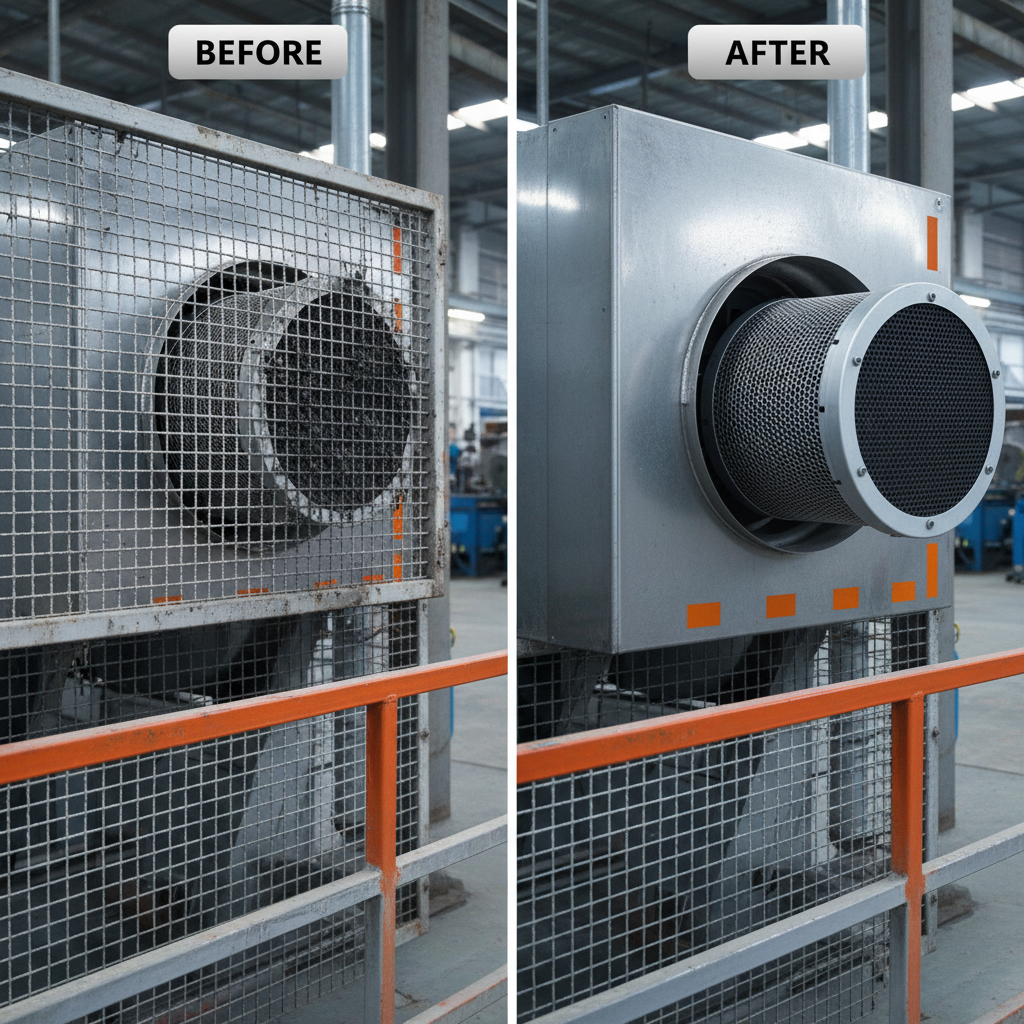
The challenge lies in the diversity of industrial dust; from the abrasive nature of silica in mining to the combustible risks of aluminum powder in metallurgy. Traditional filtration systems often struggle with "blinding," where particles clog the filter surface, leading to massive energy spikes in the blower motors. Modern cartridge designs address this by increasing the surface area through precision pleating, allowing for higher dust loads without sacrificing airflow.
Understanding the Mechanics of Filter Cartridges
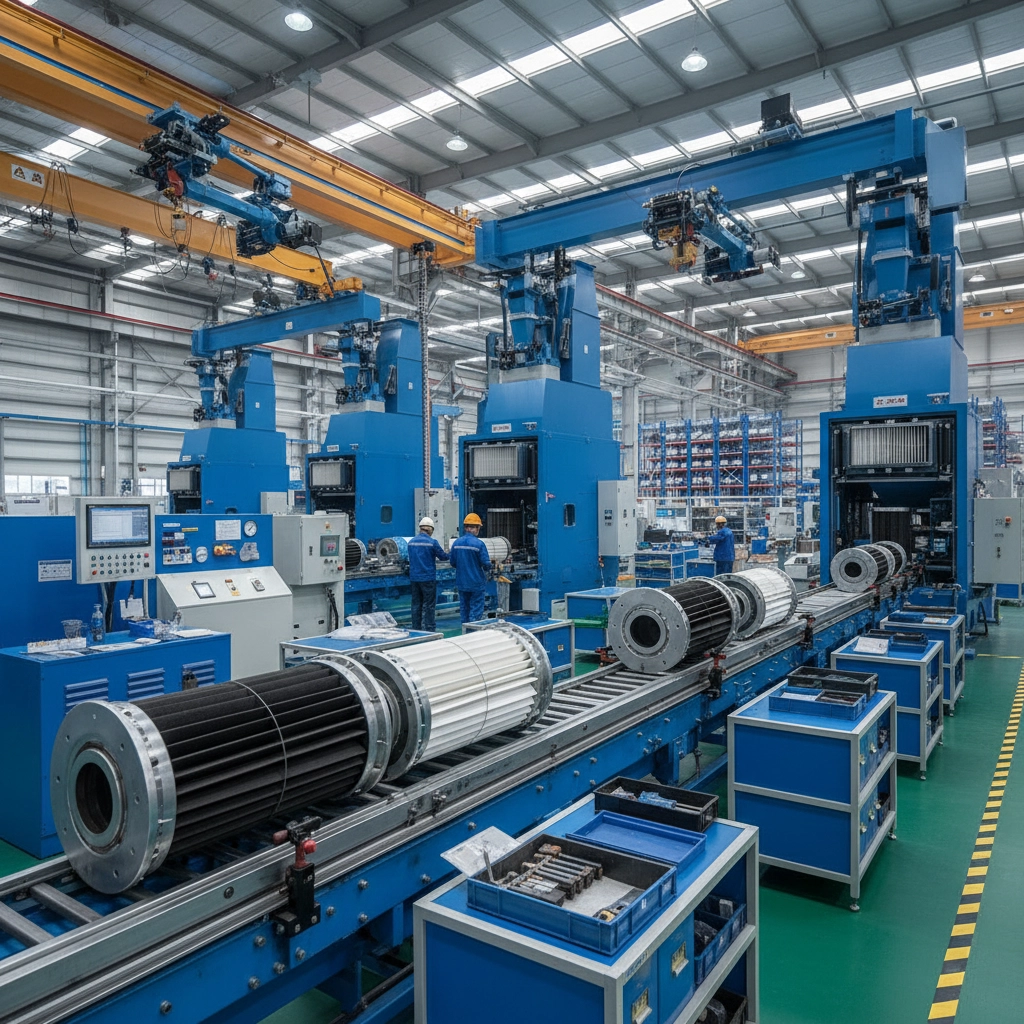
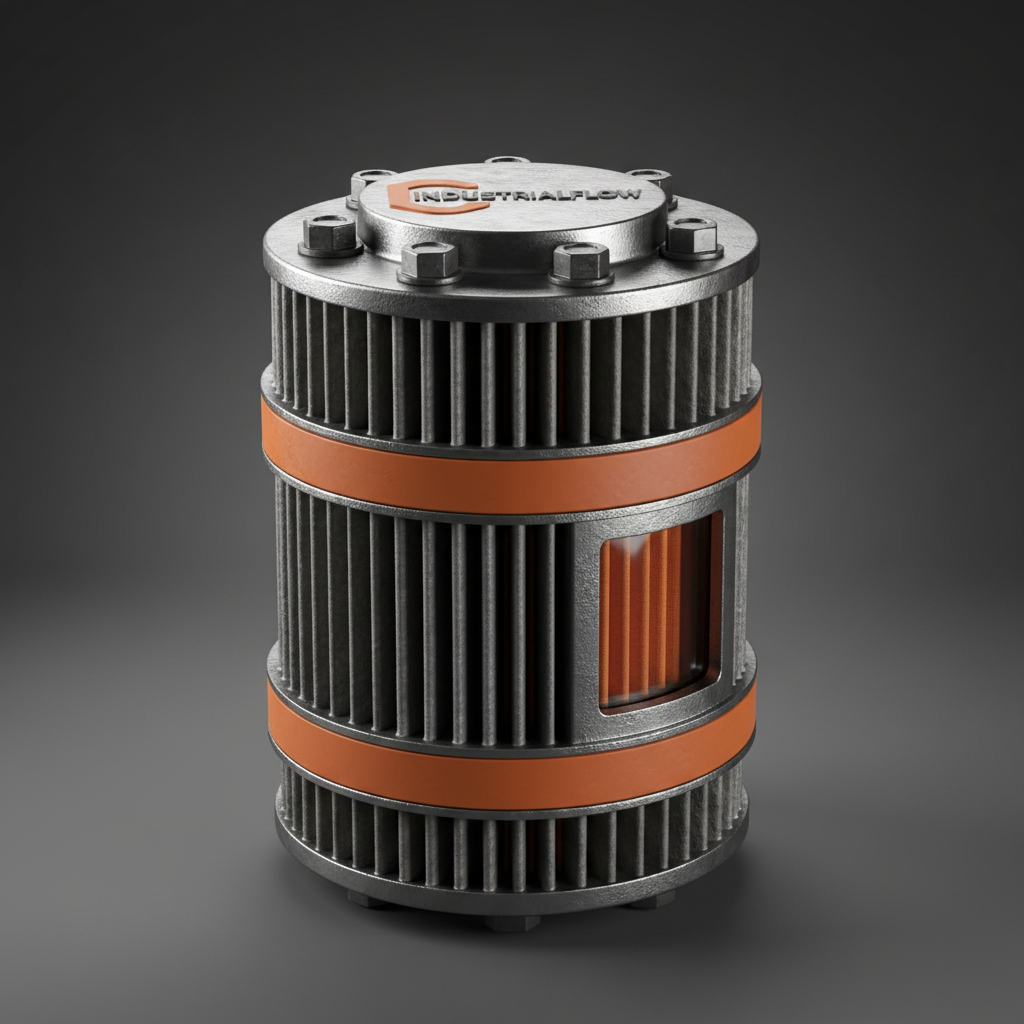
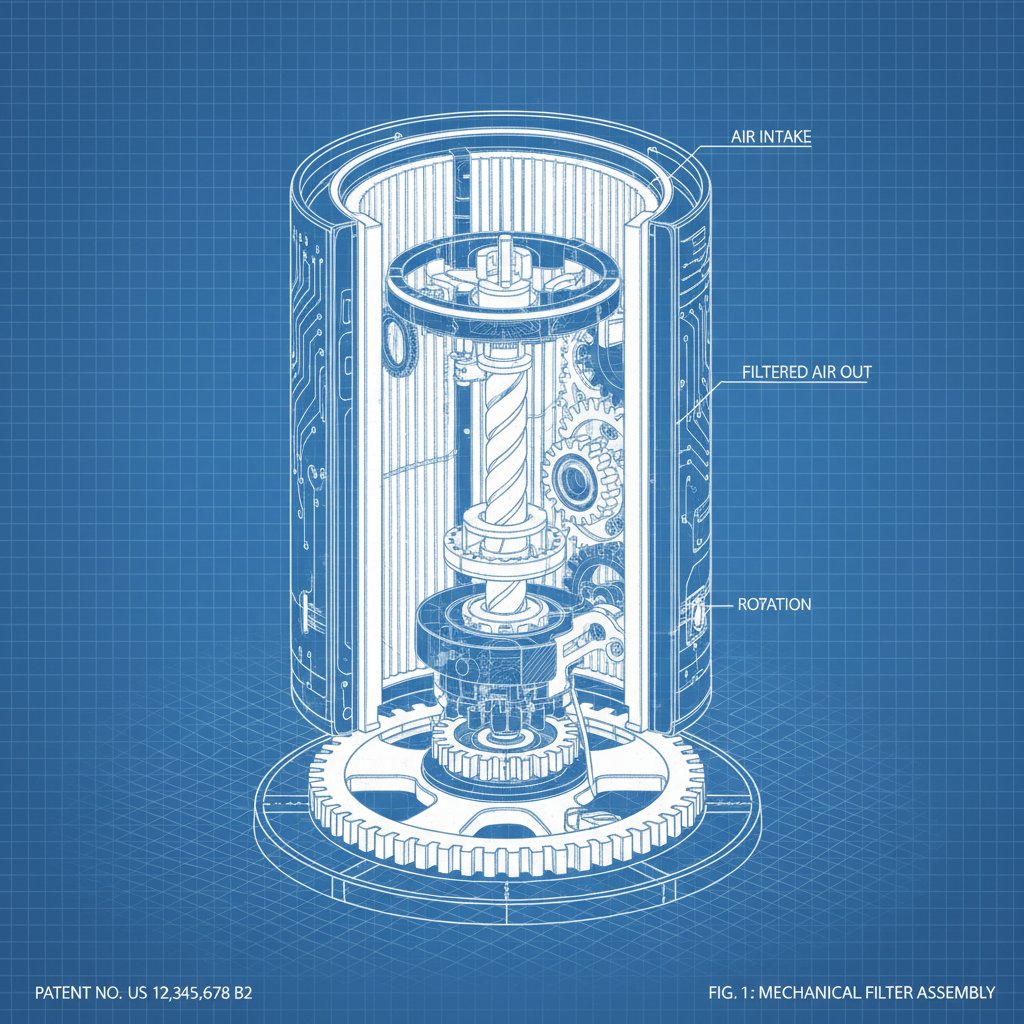
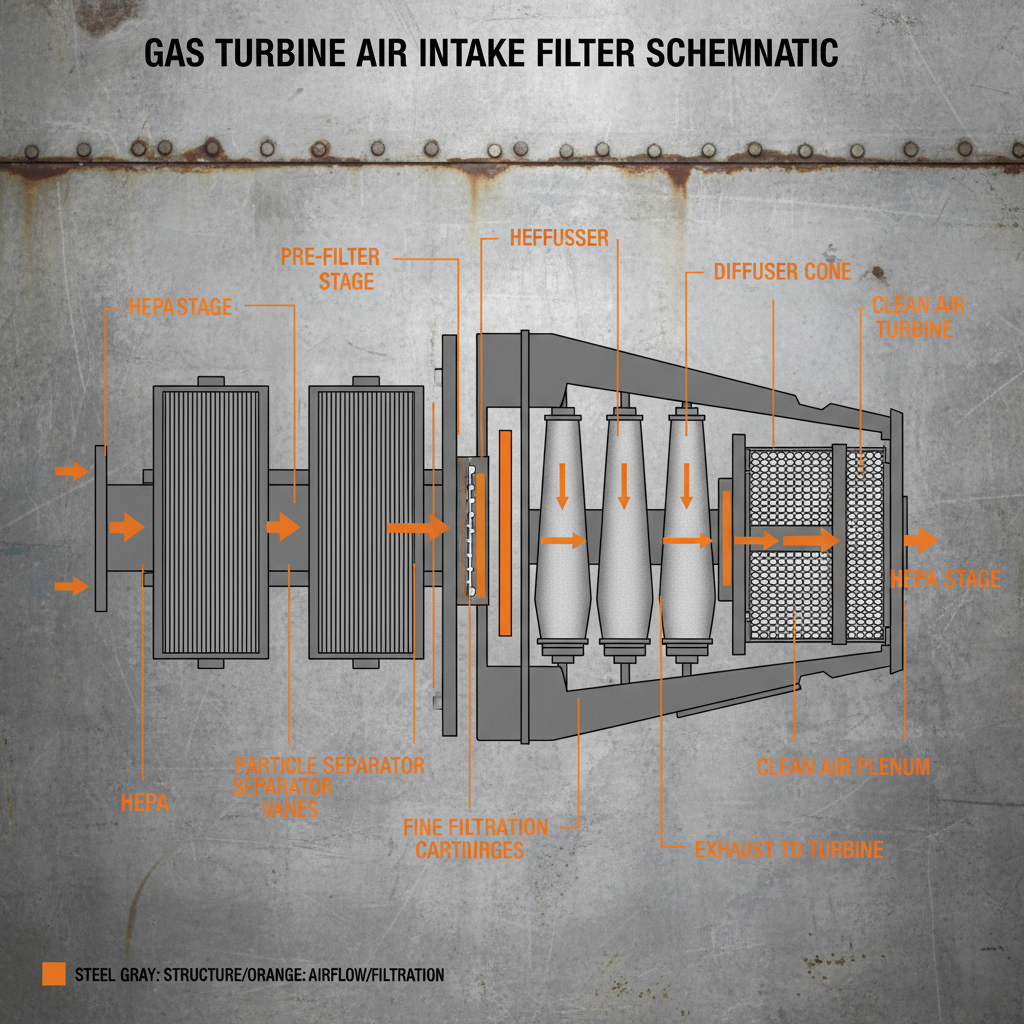
At its core, a dust collector filter cartridge is a cylindrical filtration device designed to separate solid particles from a gas stream. Unlike traditional baghouses, cartridges offer a much higher ratio of filtration area to footprint. They work via a combination of inertial impaction, interception, and diffusion, ensuring that even sub-micron particles are trapped within the depth of the media or on its surface.
The structural integrity of the cartridge is just as important as the media itself. High-quality end caps and galvanized steel supports prevent the cartridge from collapsing under the high pressure of the industrial vacuum. This mechanical stability ensures that the pleats remain open, maximizing the effective filtration area and preventing "channeling," where air bypasses the media and carries dust directly into the clean air plenum.
Furthermore, the integration of specialized coatings—such as PTFE (Teflon) membranes—has revolutionized how dust collector filter cartridges perform in demanding environments. These membranes create a surface-loading effect, meaning the dust forms a "cake" that can be easily pulsed off, rather than embedding itself deep within the fibers. This significantly extends the life of the filter and reduces the frequency of costly replacements.
Key Factors for Selecting Filter Media
Durability is the first pillar of selection. When choosing dust collector filter cartridges, engineers must consider the chemical compatibility of the media. Polyester is excellent for general dust, while Nomex or PPS is required for high-temperature applications where standard polymers would melt or degrade.
Cost-efficiency is not about the lowest purchase price, but the lowest total cost of ownership (TCO). A cheaper cartridge that clogs quickly increases energy consumption and leads to more frequent system shutdowns. High-efficiency dust collector filter cartridges with optimized pleat counts often pay for themselves within months through reduced electricity bills.
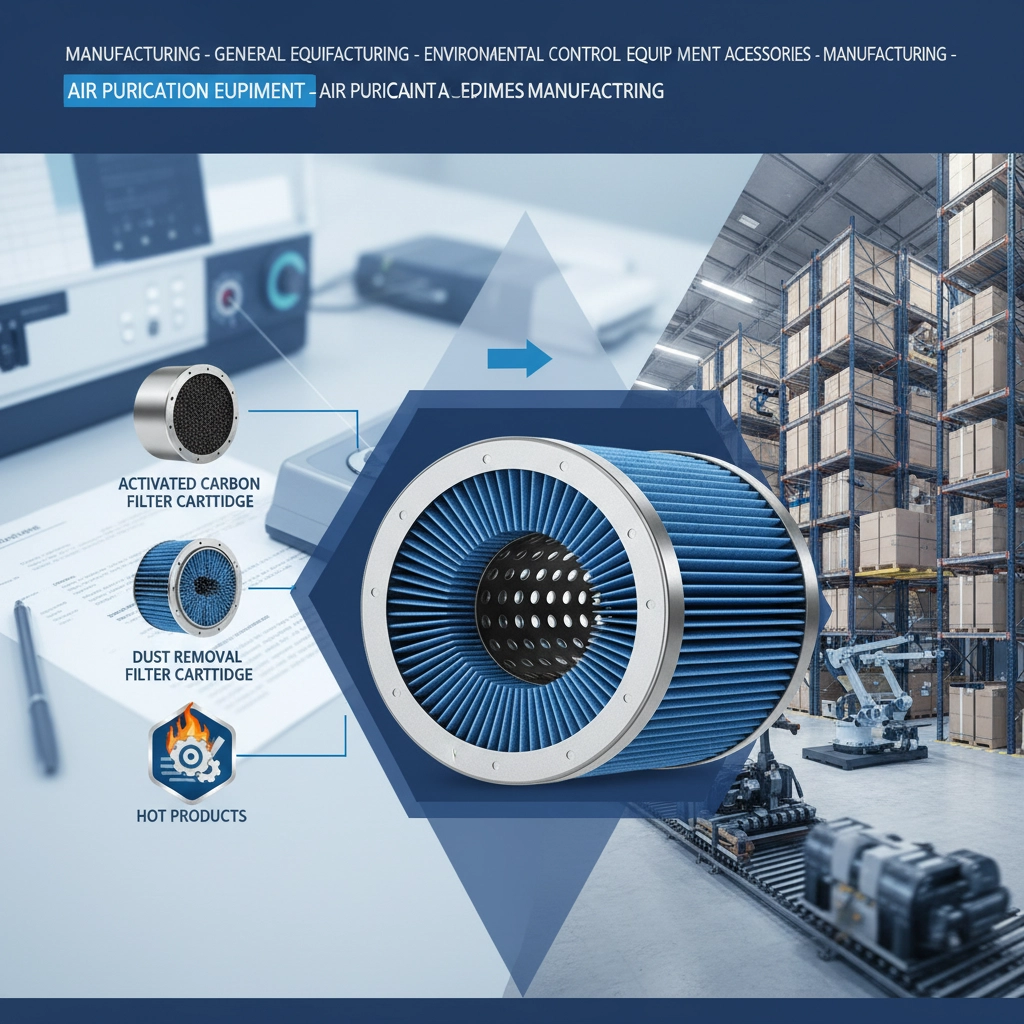
Scalability and versatility are equally vital. In facilities that handle multiple types of materials, the ability to swap between standard dust removal filter cartridges and activated carbon filter cartridges for odor and VOC control allows a single system to serve multiple roles. This flexibility reduces the need for redundant equipment and simplifies maintenance schedules.
Performance Comparison of Filtration Methods
Comparing different filtration technologies is essential for optimizing plant performance. While traditional fabric bags are reliable, the modern pleated cartridge design provides significantly lower pressure drops across the filter. This means the system can move more air with less power, directly impacting the operational budget of large-scale manufacturing plants.
The efficiency of dust collector filter cartridges is often measured by their "MERV" rating or their ability to capture specific particle sizes. By utilizing advanced synthetic blends, manufacturers can now achieve 99.9% efficiency on particles as small as 0.3 microns, a feat previously reserved for expensive HEPA systems.
Efficiency Ratings of Various Filter Cartridge Types
Global Applications Across Diverse Sectors
In real-world industrial zones, from the automotive hubs of Germany to the electronics factories of Shenzhen, dust collector filter cartridges are indispensable. In the pharmaceutical industry, for example, the use of ultra-pure filter media prevents cross-contamination between batches, ensuring that medicine remains safe for human consumption.
Conversely, in heavy industries like cement and steel production, filtration systems operate under extreme conditions. In these remote industrial zones, the focus shifts to robustness. Cartridges must withstand abrasive dust and temperature swings, proving that the right choice of material can prevent catastrophic system failures and maintain continuous production cycles.
Long-Term Value and Sustainability Gains
The long-term value of investing in high-grade dust collector filter cartridges extends beyond simple air cleaning. By maintaining a low pressure drop, these filters reduce the carbon footprint of the factory. Lower energy consumption in the ventilation system leads to lower greenhouse gas emissions, aligning corporate goals with global sustainability targets.
From a human perspective, the reliability of filtration translates to dignity and safety for the workforce. A clean workplace reduces the incidence of occupational lung diseases, fostering a culture of trust and care. When employees know that the air they breathe is filtered by industry-leading technology, productivity increases and turnover rates decrease.
Moreover, the shift toward recyclable filter media is an emerging trend. By utilizing polymers that can be processed after their useful life, the industry is moving away from the "disposable" mindset, transforming waste into raw materials for other applications. This circular economy approach ensures that filtration doesn't come at the cost of the planet.
Future Innovations in Air Purification
The future of dust collector filter cartridges lies in the intersection of materials science and digital transformation. Nanofiber technology is already allowing for filters with smaller pores but higher permeability, meaning they can catch smaller particles without restricting airflow. This "breathable" high-efficiency media is the next frontier in industrial filtration.
Automation and IoT are also playing a pivotal role. We are seeing the rise of "smart cartridges" equipped with sensors that monitor pressure differentials in real-time. Instead of replacing filters on a fixed schedule, AI-driven systems can predict exactly when a filter is nearing its end-of-life, reducing waste and preventing unplanned downtime.
As green energy transitions accelerate, the demand for specialized filtration in lithium battery production and hydrogen fuel cell manufacturing will grow. These industries require an ultra-clean environment, pushing the boundaries of what dust collector filter cartridges can achieve in terms of purity and precision.
Comparison of Next-Gen Filter Technologies
| Technology Type |
Efficiency Level |
Lifespan Extension |
Primary Use Case |
| Nanofiber Media |
Ultra High (9.8) |
+40% |
Electronics/Semi-cond |
| PTFE Membrane |
High (9.2) |
+30% |
Chemical/Moist Dust |
| Smart Sensor Integrated |
Variable (8.5) |
Optimized |
Automated Factories |
| Activated Carbon Mix |
Medium-High (8.0) |
Standard |
VOC/Odor Control |
| Electrostatic Media |
Very High (9.5) |
+20% |
Fine Smoke/Fumes |
| Recyclable Polymers |
Standard (7.5) |
Eco-friendly |
General Manufacturing |
FAQS
Replacement intervals vary based on dust load and cleaning efficiency. Generally, you should replace them when the pressure drop (differential pressure) exceeds the manufacturer's recommended limit despite regular pulse cleaning. For most industrial applications, this ranges from 6 to 24 months. Monitoring the pressure gauge is the most accurate way to determine the exact end-of-life for your specific environment.
Standard cartridges rely on the depth of the fabric to trap particles, which can lead to "blinding" as dust embeds in the fibers. PTFE membrane cartridges feature a thin, microporous layer on the surface. This ensures that dust collects only on the surface, making it much easier to remove during the cleaning cycle, which results in more stable airflow and a longer overall lifespan.
Activated carbon is highly effective for organic vapors and volatile organic compounds (VOCs) through the process of adsorption. While it is excellent for most chemical smells and solvent fumes, it may not be effective for certain inorganic gases. For complex air streams, we recommend a combination of dust removal filter cartridges and specialized carbon layers to ensure comprehensive purification.
Actually, it is often the opposite. While high-efficiency filters have smaller pores, modern pleated designs and PTFE membranes are engineered to reduce the overall resistance to airflow. By maintaining a lower pressure drop over time compared to clogged, low-quality filters, these premium cartridges can actually reduce the load on your blower motor and lower your electricity bills.
Correct sizing depends on the outer diameter, inner diameter, and length of the cartridge, as well as the pleat density. Using a cartridge that is too small can lead to high velocities and premature wear, while one that is too large may not seat properly, causing air leaks. Always refer to your system's technical manual or provide your current model number to a specialist for a perfect fit.
Yes, provided you select the correct specifications. For combustible dust, it is critical to use cartridges that are anti-static and grounded to prevent electrostatic discharge (ESD). We offer specialized conductive media and grounded end-caps specifically designed to meet NFPA and ATEX safety standards to prevent explosions in hazardous environments.
Conclusion
In summary, dust collector filter cartridges are far more than simple consumables; they are the heart of an industrial facility's respiratory system. By balancing material durability, filtration efficiency, and energy performance, businesses can achieve a seamless harmony between high-volume production and environmental stewardship. From the implementation of PTFE membranes to the integration of IoT monitoring, the shift toward precision filtration is driving a new era of industrial safety and efficiency.
As we look toward a future defined by stricter emissions laws and the rise of "Industry 4.0," the importance of choosing the right filtration partner becomes paramount. We encourage facility managers to move beyond the lowest-bidder mentality and instead focus on the total lifecycle value of their air purification components. For high-performance solutions tailored to your specific industrial needs, visit our website: www.onlyfiltercartridge.com.

 Email:admin@only-filter.com
 Tel:
+8615930870079
Tel:
+8615930870079