 Email:admin@only-filter.com
 Tel:
+8615930870079
Tel:
+8615930870079
The efficiency of industrial air filtration has been revolutionized by the integration of the cartridge vacuum system, a critical technology designed to capture fine particulate matter and volatile organic compounds. In modern manufacturing, maintaining a sterile and dust-free environment is no longer just a regulatory requirement but a cornerstone of operational excellence and employee health.
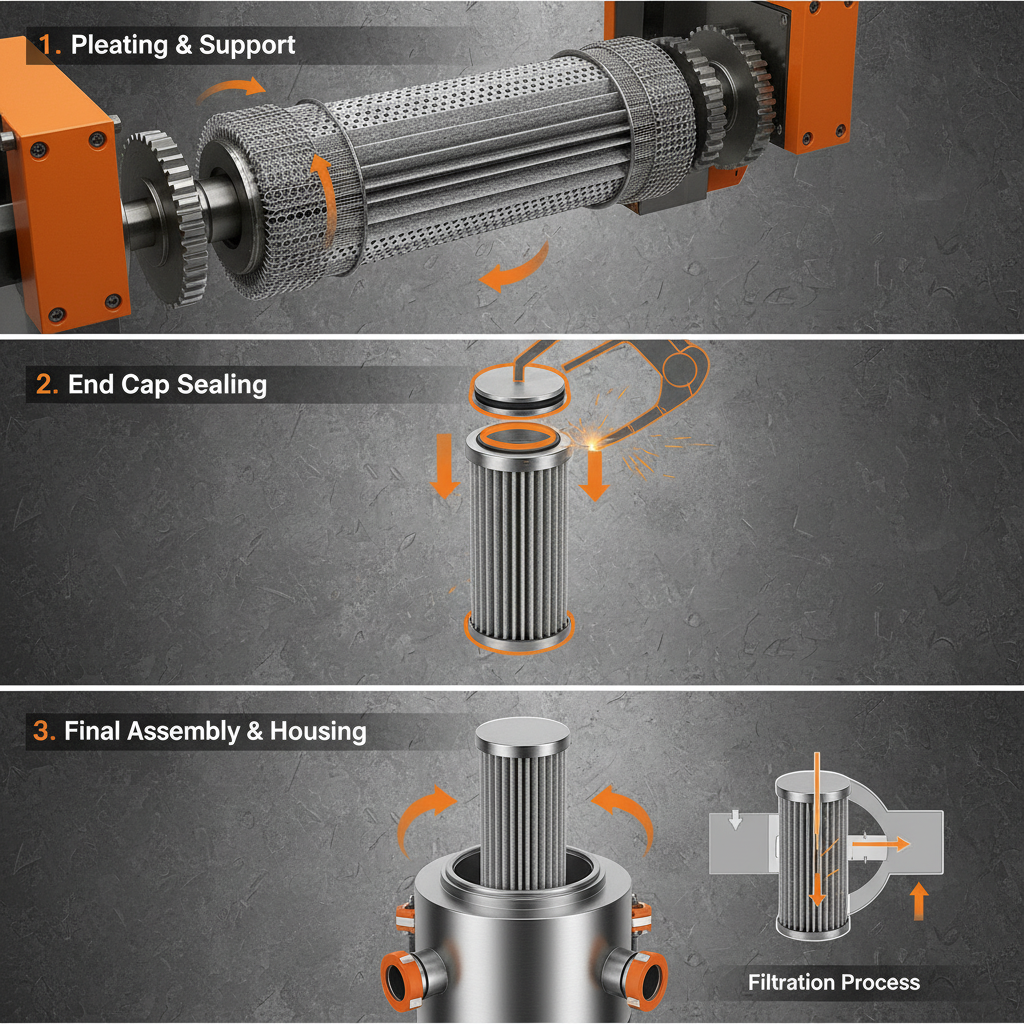
Across the globe, industries ranging from pharmaceutical synthesis to heavy metal fabrication rely on the precision of cartridge vacuum technology to prevent cross-contamination and reduce the carbon footprint of industrial emissions. By utilizing advanced pleating techniques and high-grade synthetic media, these systems offer a superior surface area-to-volume ratio compared to traditional bag filters.
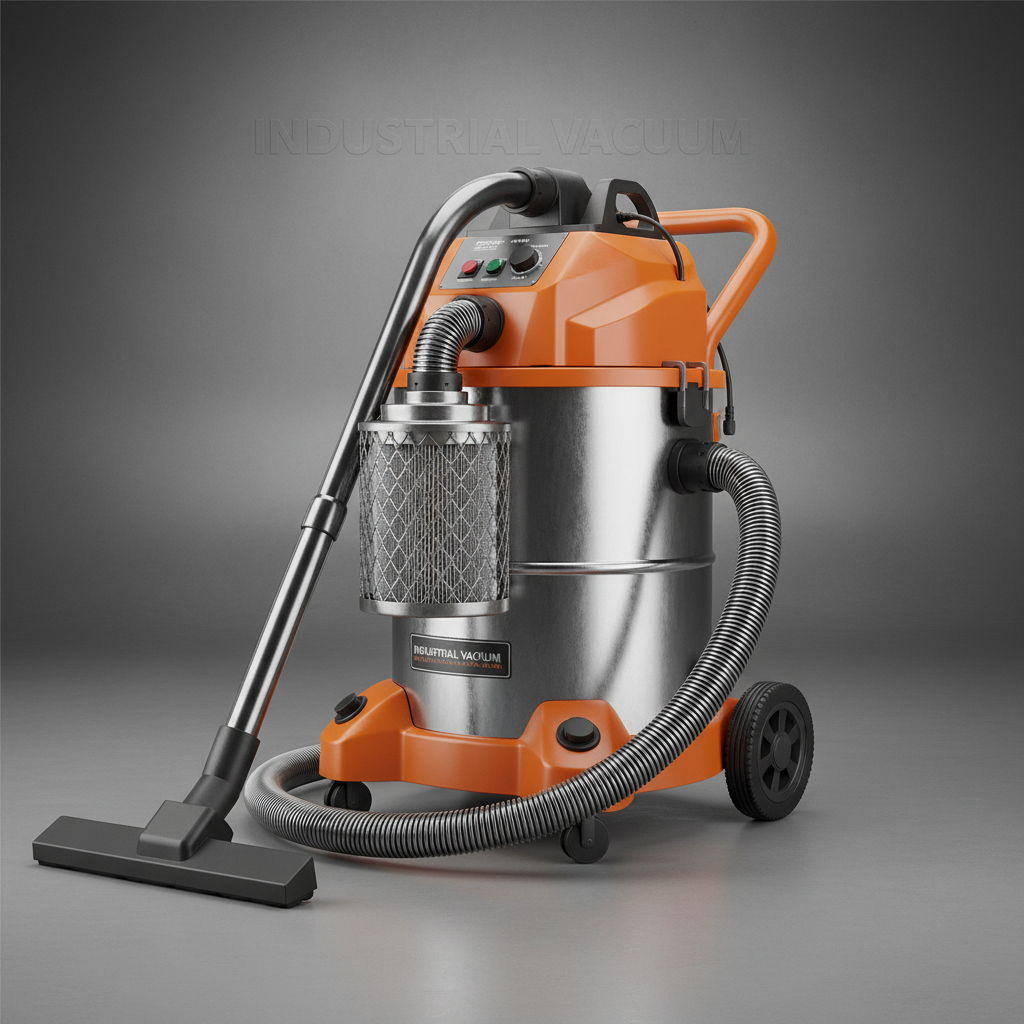
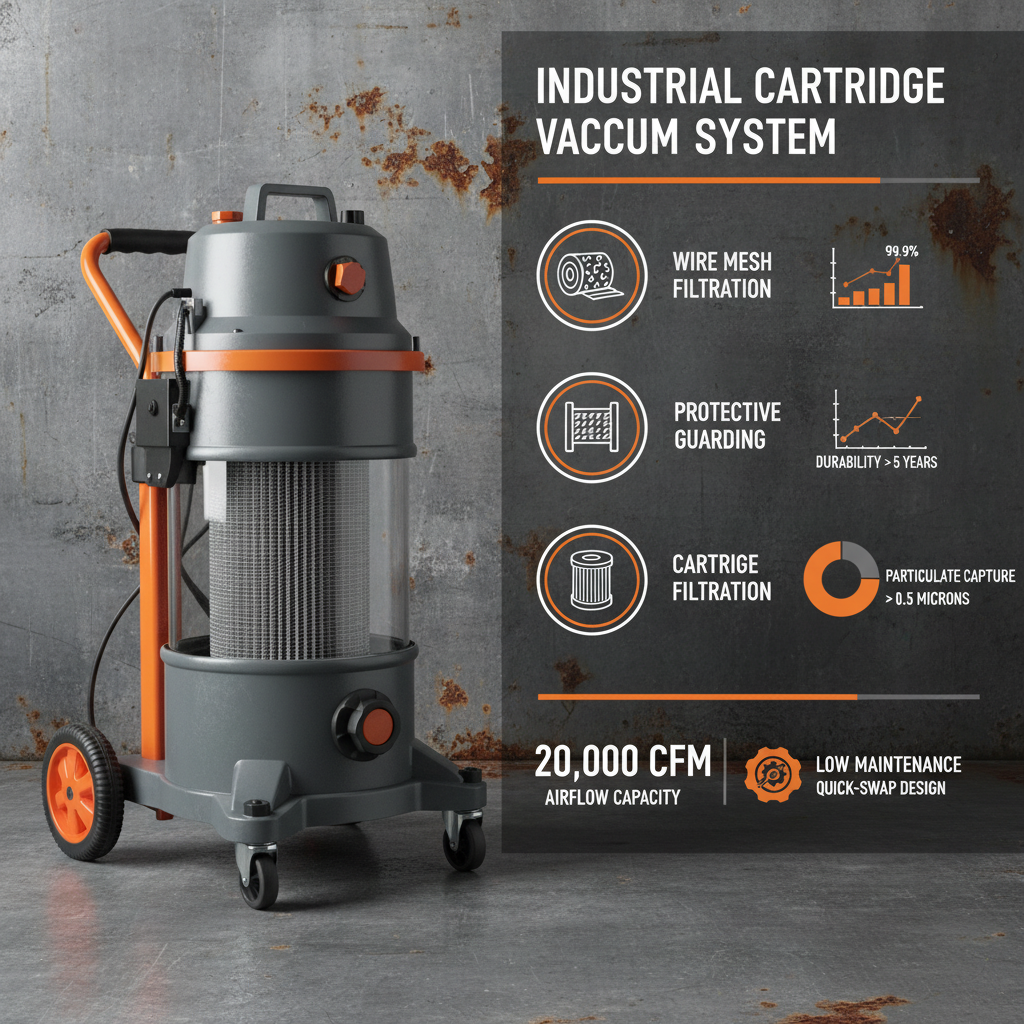
The global demand for high-efficiency air purification has surged as ISO 14001 standards and stringent EPA regulations force manufacturers to rethink their exhaust systems. The cartridge vacuum has emerged as the primary solution to combat the "invisible threat" of sub-micron particles, which can cause systemic equipment failure and chronic health issues for operators.
Statistically, industries utilizing advanced cartridge-based vacuum systems report a significant decrease in downtime—often up to 20%—due to the ease of replacement and higher dust-holding capacity. This global shift toward modular filtration is driven by the need for scalability in rapidly expanding industrial zones across Asia and North America.
Replacement frequency depends on the particulate load and the cleaning method used. For systems with automatic pulse-jet cleaning, cartridges can often last 12 to 24 months. However, we recommend monitoring the differential pressure gauge; once the pressure drop exceeds the manufacturer's recommended limit despite cleaning, it is time for a replacement to avoid motor strain.
No, standard dust removal cartridges are designed for physical particulates. To capture chemical fumes or odors, you must use an Activated Carbon Filter Cartridge. These contain specialized porous carbon that adsorbs gas-phase molecules through chemical attraction, providing a level of purification that standard mechanical filters cannot achieve.
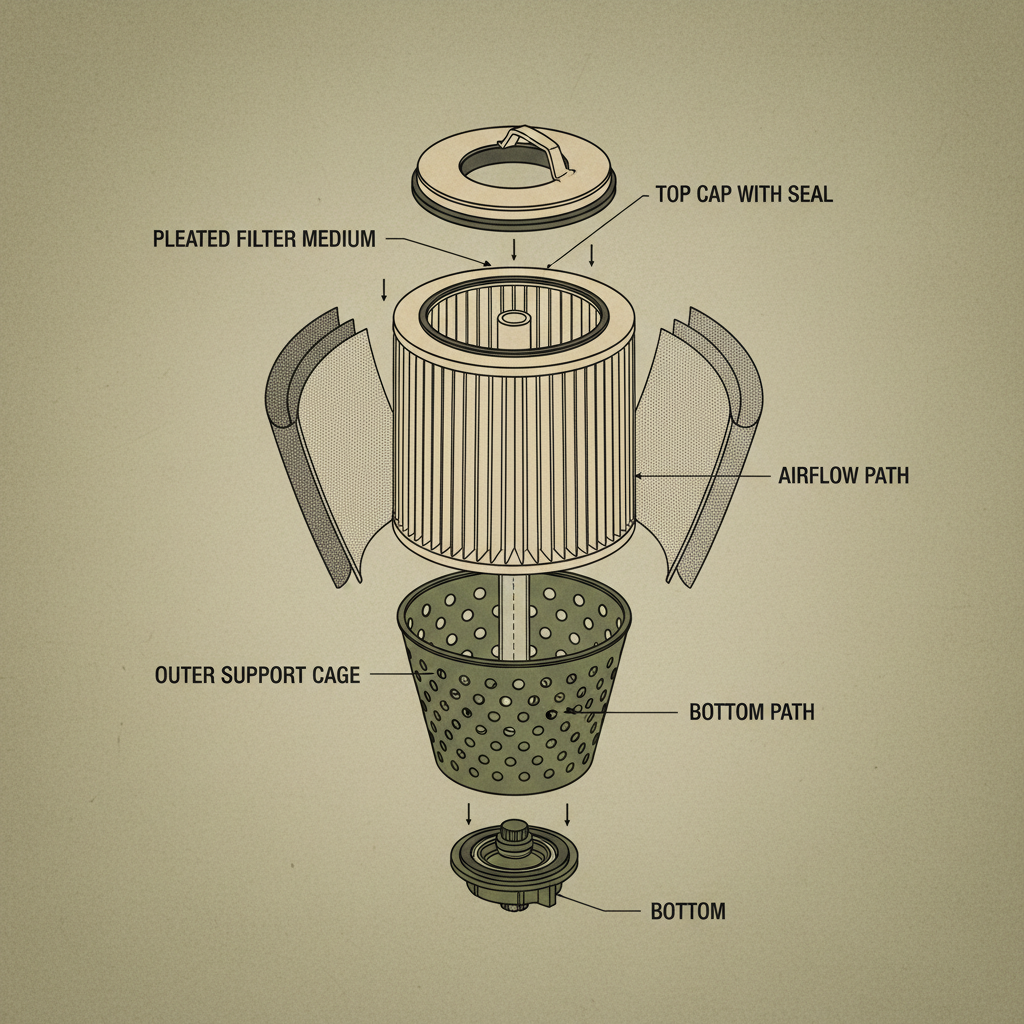
The primary advantage is the surface area. Because the media is pleated, a cartridge vacuum can provide the same filtration capacity as a baghouse in a fraction of the physical space. This makes it ideal for factories with limited floor space and allows for much easier installation and faster filter change-outs.
Actually, when properly maintained, it can decrease costs. While the initial vacuum pull requires power, the high efficiency of modern pleated media prevents the "choking" effect common in old filters. This means the motor doesn't have to work as hard to maintain airflow, leading to lower energy consumption over the long term.
The most reliable way is to perform a leak test using a smoke generator or a fluorescent powder. If you notice dust accumulation outside the vacuum housing or a sudden drop in suction power that doesn't respond to cleaning, it may indicate a breached seal or a torn cartridge pleat.
Yes, but only if they are specifically rated for ATEX or similar explosion-proof standards. For explosive dusts, a cartridge vacuum must feature antistatic filter media (to prevent spark buildup) and be equipped with explosion venting or suppression systems to ensure facility safety.
As we look toward a future defined by Industry 4.0 and a commitment to zero-emission manufacturing, the evolution of filtration technology will remain a key driver of success. We encourage facility managers to audit their current air quality systems and transition toward modular, smart cartridge solutions to ensure their operations remain competitive and compliant. Visit our website: www.onlyfiltercartridge.com