 Email:
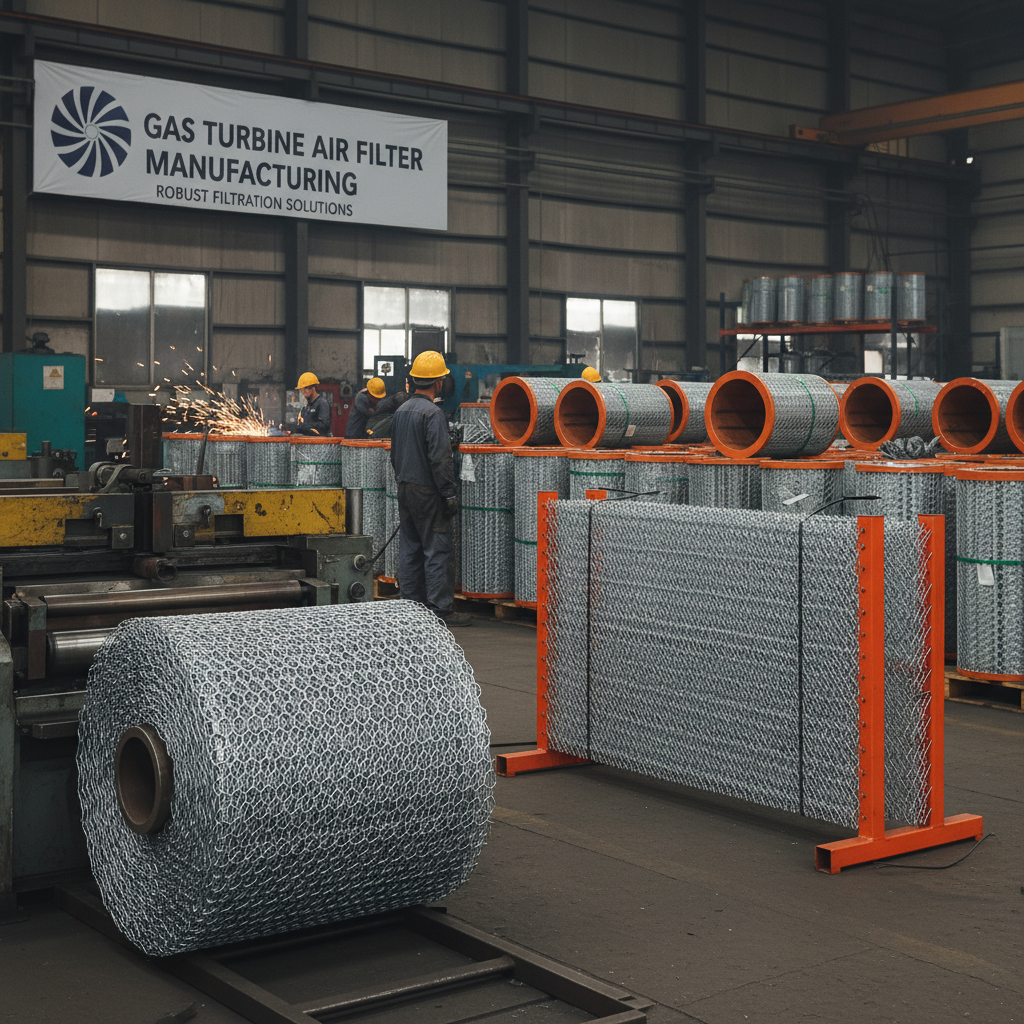
Industrial air filtration is often an overlooked component of production until a system failure occurs. For facilities managing high particulate loads, selecting the right cartouche filtrante à poussière—or dust removal filter cartridge—is the difference between continuous operation and costly downtime.
The challenge in modern manufacturing, particularly in powder coating and gas turbine operations, is not just capturing dust, but doing so without compromising airflow or risking structural failure under high-load continuous operation. Efficiency in this sector is measured by the balance of filtration precision and pressure drop.
By analyzing the synergy between cellulose fiber materials and reinforced structural design, operators can optimize their air purification systems for longevity and environmental compliance, ensuring that airborne contaminants are trapped before they impact product quality or worker health.

The Technical Role of Dust Removal Filter Cartridges

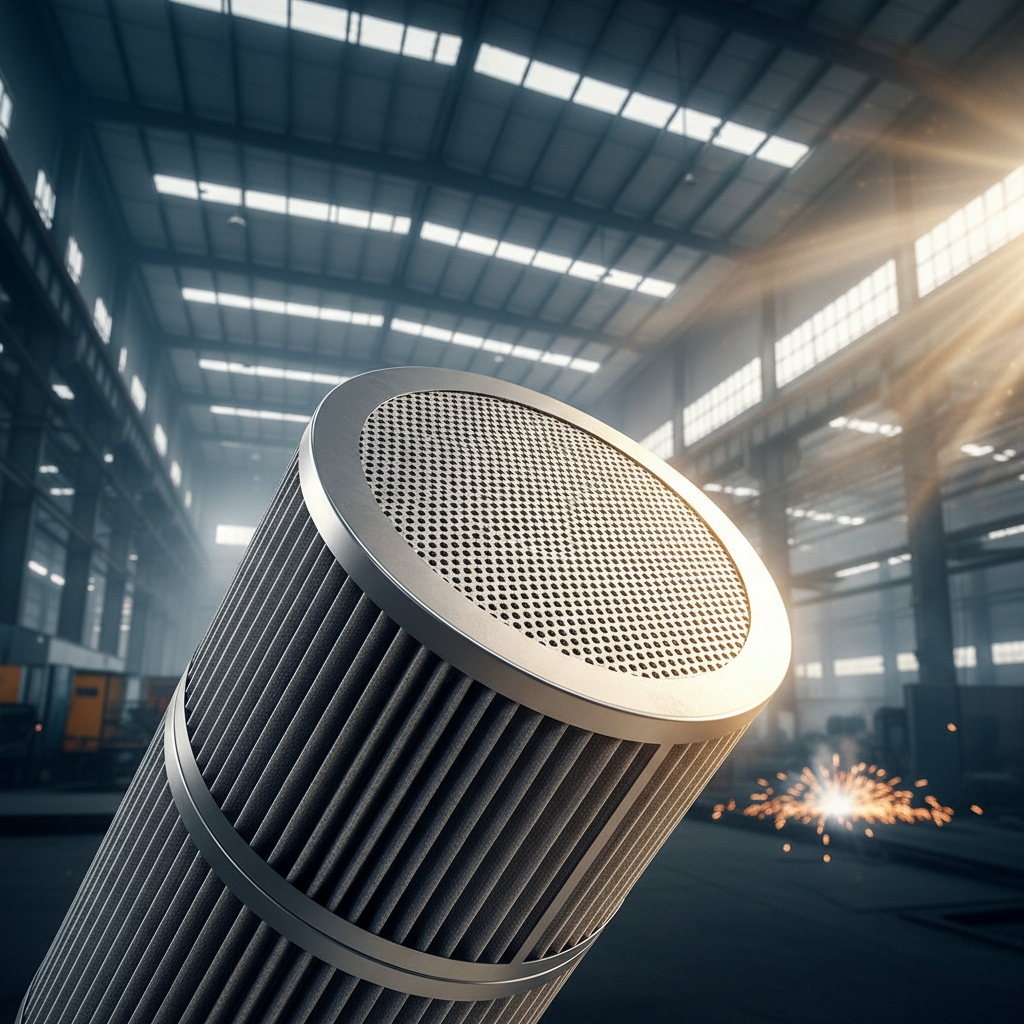
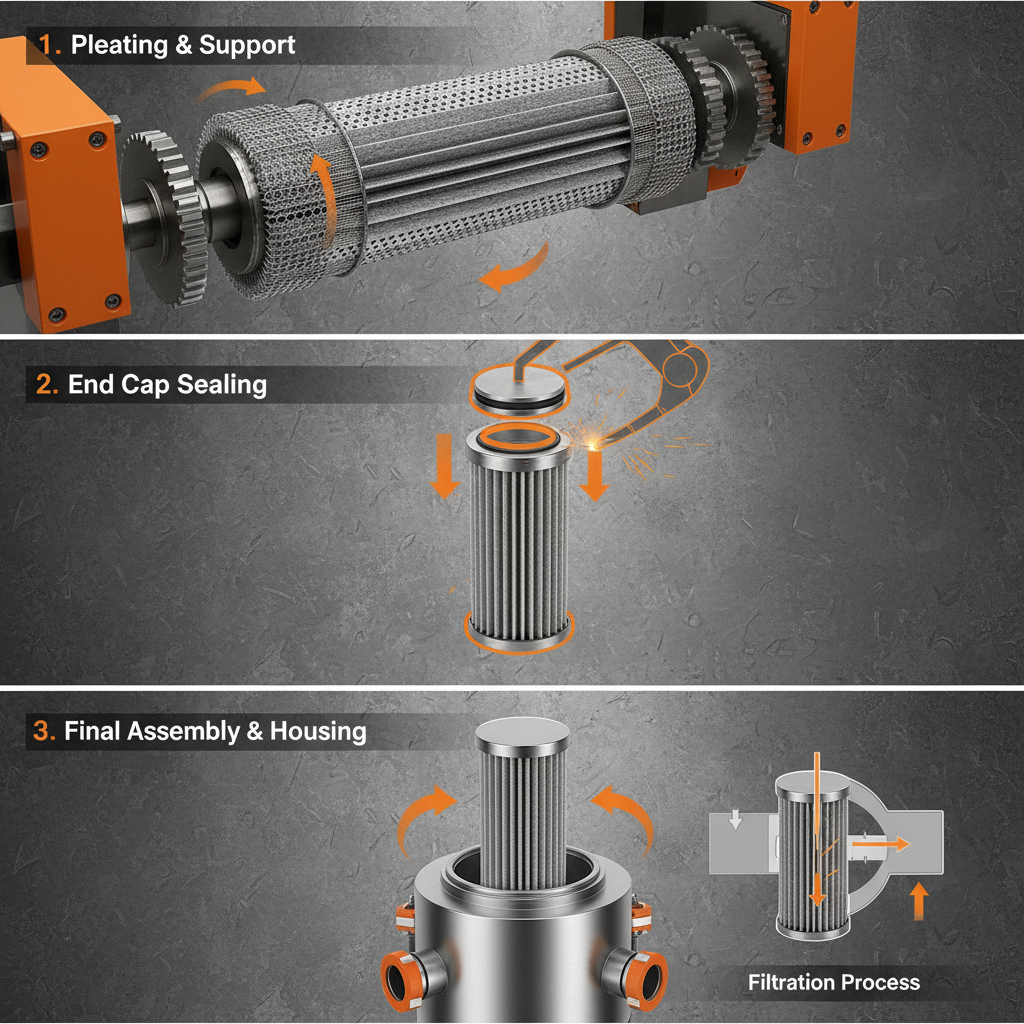
A cartouche filtrante à poussière serves as the primary barrier in industrial dust collection systems, designed to separate solid particulate matter from the air stream. Unlike simple bag filters, the cartridge design utilizes pleated media to exponentially increase the surface area within a compact cylindrical volume, allowing for higher dust-holding capacities.
In high-precision environments, such as powder coating, these filters must capture particles ranging from 5 to 50 microns. If these particles bypass the filtration stage, they can cause uneven finishes on coated parts or clog expensive downstream machinery, leading to systemic inefficiencies.
The effectiveness of these cartridges depends on the pore size of the media and the integrity of the seal. A failure in the elastic neoprene sealing ring, for example, can lead to "bypass leakage," where unfiltered air enters the clean side of the system, rendering the entire filtration process ineffective.
Core Engineering Features of High-Efficiency Cartridges
The structural integrity of a dust removal filter cartridge is as critical as the filter paper itself. High-performance models employ electro-galvanized end caps and diamond mesh center frames to ensure the cartridge does not collapse under the pressure of high-velocity airflow.
Advanced cellulose air filter cartridges utilize high-quality wood pulp fiber materials from the US and Western Europe. These materials are selected for their ability to maintain low resistance (pressure drop) while providing high permeability, which reduces the energy load on the centrifugal compressors or turbines they protect.
Furthermore, the use of closed-cell foam rubber sealing rings ensures a gas-tight fit. When paired with high-efficiency adhesives that prevent degumming during high-load continuous operation, these cartridges provide a reliable solution for long-term industrial deployment.
Critical Application Scenarios in Industrial Purification
The deployment of a cartouche filtrante à poussière varies significantly depending on the particulate nature and the operating temperature. In steel blast furnace blasts and gas turbines, the priority is protecting the intake from atmospheric dust and fly ash to prevent internal erosion.
In the powder coating industry, the focus shifts to overspray recovery. Custom air filters in this sector are tailored to match the specific powder type—whether epoxy, polyester, or hybrid—to prevent powder adhesion to the media, which would otherwise cause rapid clogging.
Other critical applications include centralized air-conditioning systems for clean-room environments and the recovery of dust coating powders in large-scale automated facilities. In these cases, the filter must maintain a consistent flow rate to ensure that the powder cloud remains stable during the application process.
Evaluating Filtration Efficiency and Flow Stability
Performance evaluation of dust removal cartridges typically focuses on the relationship between filtering efficiency and the pressure drop (Pa). A high-efficiency filter that creates too much resistance will force the blower to work harder, increasing electricity costs and potentially overheating the motor.
For instance, specialized cartridges for powder coating often target a filtration efficiency of 99.9% for particles as small as 2 microns, while maintaining a pressure drop below 150Pa at rated flow. This stability ensures that the air velocity remains uniform across the spray booth.
cartouche filtrante à poussière Performance Metrics
The data suggests that when moving from generic cellulose filters to high-precision custom cartridges, there is a measurable increase in both the dust-holding capacity and the operational lifespan of the element, reducing the frequency of replacement cycles.
Operational Best Practices for Maximum Filter Lifespan
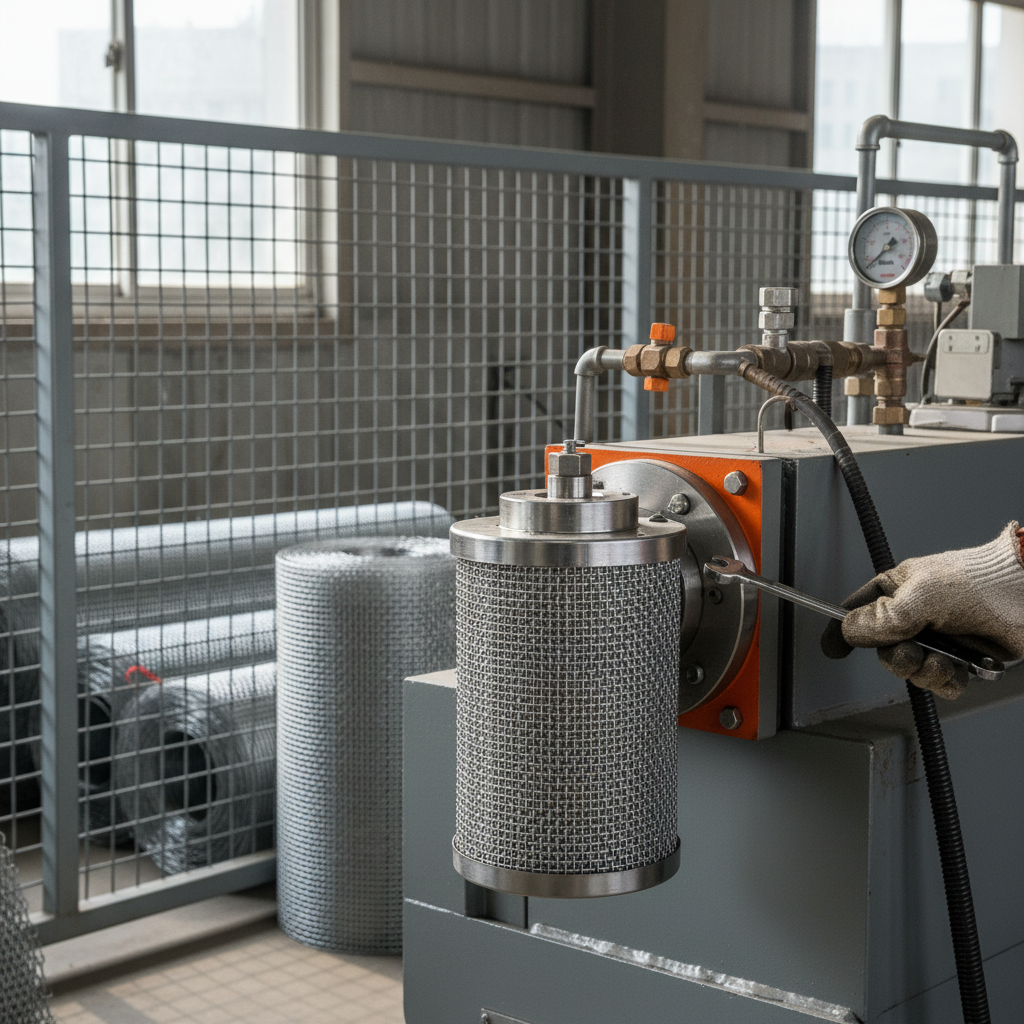
Maintaining a dust removal filter cartridge requires a strategic approach to cleaning and replacement. Over-cleaning (excessive pulsing) can damage the delicate cellulose fibers, while under-cleaning leads to "cake" buildup that restricts airflow.
Operators should monitor the differential pressure gauge closely. When the pressure drop exceeds the recommended threshold, a cleaning cycle should be triggered. For cartridges in powder coating, ensuring that the anti-static media is functioning prevents powder from adhering permanently to the pleats.
Furthermore, checking the neoprene seals during every inspection is vital. Even a small tear in the seal can allow a significant percentage of dust to bypass the filter, contaminating the internal components of the air compressor or turbine.
Innovations in Anti-Static and Heat-Resistant Media
The evolution of filtration media is moving toward composite materials that combine the high permeability of cellulose with the durability of synthetic polymers. New anti-static polyester blends are becoming essential in powder coating to reduce the risk of static discharge in dust-rich environments.
Temperature resistance is another key area of innovation. Modern cartridges are now engineered to withstand temperatures up to 120°C, making them suitable for use near curing ovens or in high-temperature industrial exhausts without the risk of media shrinkage or adhesive failure.
As automation increases in the manufacturing sector, there is a growing trend toward "smart" filter cartridges equipped with sensors that provide real-time data on saturation levels, allowing for predictive maintenance rather than scheduled replacement.
Selection Matrix for Industrial Dust Filtration Solutions
Choosing the correct filter involves matching the material and specification to the specific environmental stress. A filter designed for a gas turbine will differ significantly from one designed for a powder coating recovery system in terms of media density and frame strength.
The following matrix provides a decision-making framework based on common industrial operating conditions and the required performance characteristics of the filter element.
| Application Scenario | Recommended Media | Key Performance Driver | Operating Condition |
|---|---|---|---|
| Powder Coating Line | Anti-static Polyester | Particle Capture (5-50µm) | Moderate Heat / Static Risk |
| Gas Turbine Intake | High-Grade Cellulose | Atmospheric Purity | High Velocity / Outdoor |
| Steel Blast Furnace | Composite Fiber | Fly Ash Resistance | High Dust Loading |
| Centrifugal Compressor | Pleated Wood Pulp | Low Pressure Drop | Continuous High Load |
| Clean Room HVAC | Fine Cellulose Blend | Air Cleanliness | Low Noise / Stable Flow |
| Diesel Engine Intake | Reinforced Cellulose | Structural Integrity | Variable Pressure Spikes |
For those requiring specific dimensions or specialized media for unique chemical environments, custom-engineered solutions are recommended to avoid the bypass leaks associated with generic fitments. Detailed technical specifications can be explored via www.onlyfilterelement.com.
Frequently Asked Questions
Conclusion
Optimizing industrial air purification requires a move away from generic components toward precision-engineered filtration. The right cartouche filtrante à poussière does more than just clean the air; it protects the core mechanical assets of a facility and ensures the consistency of the final product.
By focusing on the critical balance of media permeability, structural strength, and sealing integrity, manufacturers can reduce operational costs and improve environmental safety. For those evaluating their current filtration setup, detailed product ranges and customization options are available through www.onlyfilterelement.com.