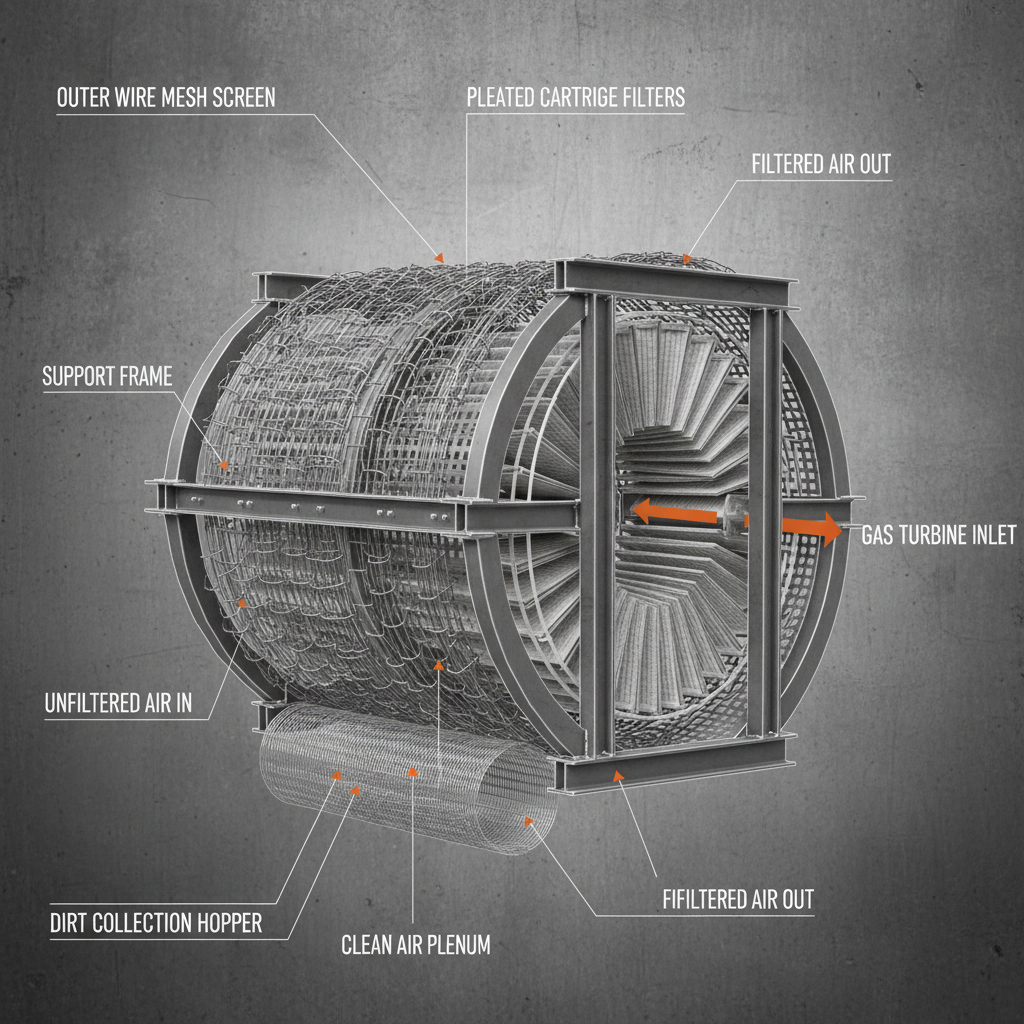
The modern industrial landscape faces an escalating challenge in maintaining air purity, where the removal of volatile organic compounds and odors is critical for both operational safety and environmental compliance. Integrating a high-performance filtration system is no longer optional but a necessity for facilities dealing with complex chemical emissions. Among the various solutions available, the strategic implementation of a wire mesh filter cartridge combined with advanced adsorption media ensures a comprehensive approach to air quality management.
Across global manufacturing hubs, from pharmaceutical labs to heavy industrial plants, the demand for precision air purification has surged. The World Health Organization and ISO standards have increasingly emphasized the need for rigorous indoor air quality (IAQ) controls to protect workforce health and prevent cross-contamination. This global shift has led to the development of sophisticated filter cartridges that can target specific pollutants, such as formaldehyde, mercury vapor, and acidic gases, ensuring that breathable air remains within safe parameters.
Understanding the mechanics of these systems is key to optimizing their lifecycle and efficiency. By leveraging the physical and chemical adsorption capabilities of activated carbon, housed within a durable structural frame, industries can achieve superior removal efficiencies. Whether you are upgrading a central air conditioning system or installing a new ventilation network, selecting the right wire mesh filter cartridge configuration is essential for long-term sustainability and cost-effectiveness.
The Mechanics of Activated Carbon Filtration
At its core, an activated carbon filter cartridge functions as a chemical sponge, utilizing a highly developed pore structure to trap microscopic pollutants. The efficiency of a wire mesh filter cartridge design often depends on the surface area of the carbonaceous material, which allows for maximum contact between the contaminated air stream and the adsorbent media.
This process is primarily divided into physical and chemical adsorption. Physical adsorption relies on Van der Waals forces to capture molecules within the pores, while chemical adsorption involves specific reactions between the carbon surface and the target pollutants, such as acidic or alkaline gases, ensuring that harmful vapors are not just trapped but neutralized.
Core Components and Material Selection
The structural integrity of the filter is paramount to prevent bypass and ensure consistent airflow. The outer shell of the cartridge is typically constructed from either galvanized steel plate or high-grade stainless steel, depending on the corrosivity of the environment. This ensures that the wire mesh filter cartridge can withstand pressure differentials and industrial wear.
Inside the shell, the granular activated carbon is treated with a special chemical formula to enhance its affinity for specific toxins. This specialization allows the filter to be tailored for different needs, such as targeting formaldehyde in office environments or mercury vapor in industrial smelting plants, providing a customized solution for complex air purification challenges.
Furthermore, the frame material plays a crucial role in the overall assembly. Options range from cold-rolled steel plates with a protective spray coating to full stainless steel frames. These frames are often assembled based on the required gas processing capacity, allowing for scalable installations in large-scale commercial central air conditioning systems.
Adsorption Principles and Efficiency
The efficiency of a wire mesh filter cartridge is defined by its ability to maintain a high removal rate over an extended period. This is achieved through the dual-action mechanism where pollutants are first captured by the physical pore network and then chemically bonded to the activated surface.
One of the most critical factors in the performance of the wire mesh filter cartridge is the specific surface area of the activated carbon. A higher surface area translates directly to a stronger adsorption capacity, allowing the system to handle higher concentrations of organic vapors and odors without premature saturation.
When integrated into centralized ventilation systems, these cartridges act as the final barrier against harmful gases. By optimizing the contact time—the duration the air spends passing through the carbon bed—the wire mesh filter cartridge ensures that the outgoing air meets the strict safety standards required by medical and laboratory facilities.
Performance Metrics and Operational Cost
Evaluating the performance of filtration systems involves analyzing pressure drop, removal efficiency, and the frequency of media replacement. A well-designed wire mesh filter cartridge minimizes airflow resistance while maximizing the capture of volatile organic compounds, thereby reducing the energy load on the ventilation fans.
From a financial perspective, the use of replaceable adsorption media significantly lowers the total cost of ownership. Instead of replacing the entire unit, operators can simply swap the activated carbon, while the durable metal shell remains in service for years, making the wire mesh filter cartridge an economically viable choice for high-volume industrial use.
Efficiency Ratings of Various Filter Configurations
Global Industrial Applications
The versatility of the wire mesh filter cartridge allows it to be deployed across diverse sectors. In medical facilities, these filters are critical for removing anesthetic gases and sterilization odors, ensuring a sterile and safe environment for both patients and surgical staff. Similarly, in high-tech laboratories, they prevent the recirculation of volatile solvents that could compromise experimental results.
In the commercial sector, these units are seamlessly integrated into centralized HVAC systems for skyscrapers and shopping malls. By removing urban smog and industrial odors from the intake air, the wire mesh filter cartridge enhances the quality of life for thousands of occupants, while simultaneously helping building managers meet strict green building certifications and local air quality laws.
Sustainable Maintenance and Lifecycle
Sustainability in air purification is achieved through the balance of durability and renewability. The wire mesh filter cartridge excels here by utilizing a reusable metal shell. This design philosophy reduces the amount of industrial waste generated compared to single-use disposable filters, aligning with global efforts to reduce the carbon footprint of manufacturing.
Maintenance protocols for these systems are streamlined to ensure minimal downtime. Because the adsorption media is replaceable, the process of restoring a filter to its original efficiency is a matter of replacing the carbon granules. This ease of installation not only lowers operating costs but also ensures that the system always operates at peak removal efficiency.
Furthermore, the ability to customize the media based on real-time needs means that the wire mesh filter cartridge can evolve with the facility. If a plant switches from an acidic process to an alkaline one, only the chemical treatment of the carbon needs to be updated, ensuring the filtration infrastructure remains future-proof.
Comparative Analysis of Filter Materials
Choosing the right materials for a wire mesh filter cartridge requires a careful analysis of the environment. Stainless steel is the gold standard for highly corrosive or humid environments, such as chemical processing plants, where rust would otherwise compromise the seal of the filter and allow pollutants to leak.
Galvanized steel offers a more cost-effective alternative for standard commercial applications where extreme corrosion is not a risk. When paired with spray-coated cold-rolled steel frames, these cartridges provide the necessary rigidity to maintain a tight seal within the ventilation ducting, ensuring that all air is forced through the active carbon media.
The ultimate choice depends on the specific target pollutant. For instance, the removal of radioactive gases or mercury vapor requires a highly specialized chemical formula within the activated carbon, which must be supported by a structural wire mesh filter cartridge that prevents the media from shifting during high-pressure airflow.
Material Performance Comparison for Air Purification Cartridges
| Material Type |
Corrosion Resistance |
Durability Score |
Cost Efficiency |
| Stainless Steel Shell |
Excellent |
10/10 |
Medium |
| Galvanized Steel Shell |
Good |
7/10 |
High |
| Spray-Coated Steel Frame |
Moderate |
6/10 |
Very High |
| Chemically Treated Carbon |
N/A (Active) |
9/10 |
Medium |
| Standard Granular Carbon |
N/A (Active) |
6/10 |
High |
| Hybrid Mesh System |
High |
8/10 |
Medium |
FAQS
The primary advantage lies in the combination of structural durability and high-efficiency adsorption. Unlike disposable filters, a wire mesh filter cartridge often features a reusable metal shell and replaceable activated carbon media, which significantly reduces long-term waste and operational costs while providing superior removal of odors and harmful gases.
Replacement frequency depends on the concentration of pollutants and the air volume processed. Typically, for industrial applications, a monitoring system tracks the pressure drop or breakout concentration. Once the activated carbon reaches its saturation point, the media should be replaced to maintain removal efficiency, though the metal shell remains in use.
Yes, provided that the activated carbon is treated with a specific chemical formula tailored for formaldehyde. While standard activated carbon is excellent for general odors, specialized chemically treated media are required to effectively neutralize volatile organic compounds (VOCs), acidic gases, or mercury vapor.
Stainless steel is superior in terms of corrosion resistance and longevity, making it essential for laboratories, medical facilities, or chemical plants. However, for general commercial ventilation where humidity is low and corrosive gases are absent, galvanized steel is a more cost-effective and perfectly adequate solution.
The most common indicators are an increase in pressure drop across the filter or the reappearance of odors in the ventilated area. Professional facilities use gas sensors to detect "breakthrough," which occurs when the carbon is saturated and pollutants begin to pass through the media unfiltered.
Yes, they are specifically designed for commercial and industrial central air conditioning and centralized ventilation systems. Because frames can be provided and assembled according to the required gas processing capacity, they can be integrated into almost any standard industrial ductwork configuration.
Conclusion
In summary, the implementation of a wire mesh filter cartridge represents a sophisticated approach to industrial air purification. By combining the structural strength of stainless or galvanized steel with the chemical potency of specialized activated carbon, these systems effectively neutralize organic vapors, odors, and hazardous gases. The ability to replace only the adsorption media while retaining the shell ensures a balance between high performance and sustainable operational costs.
Looking forward, the evolution of air filtration will likely lean towards even more specialized chemical treatments and smarter monitoring systems to predict saturation levels. For facility managers and engineers, investing in high-quality, customizable filtration components is the most reliable way to ensure health compliance and environmental safety. To explore the best solutions for your facility, visit our website: www.onlyfiltercartridge.com

 Email:admin@only-filter.com