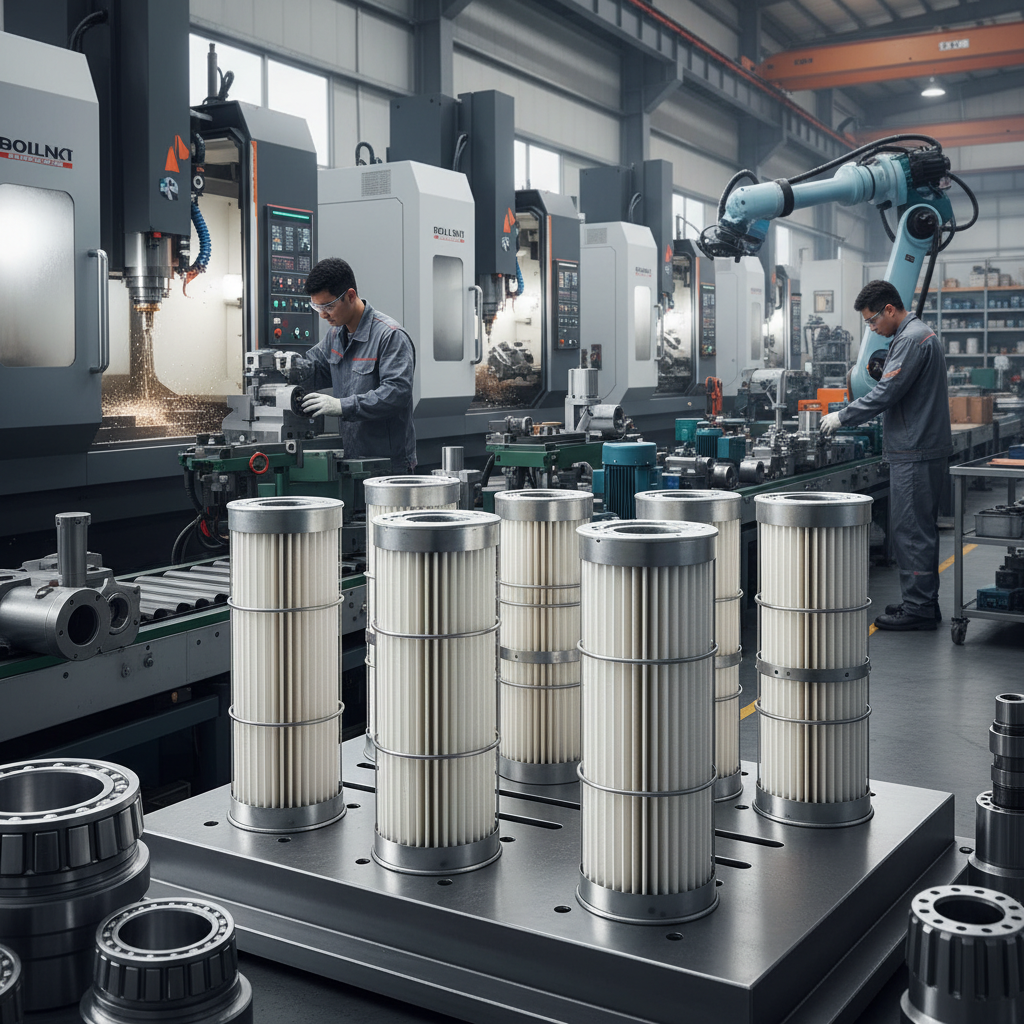
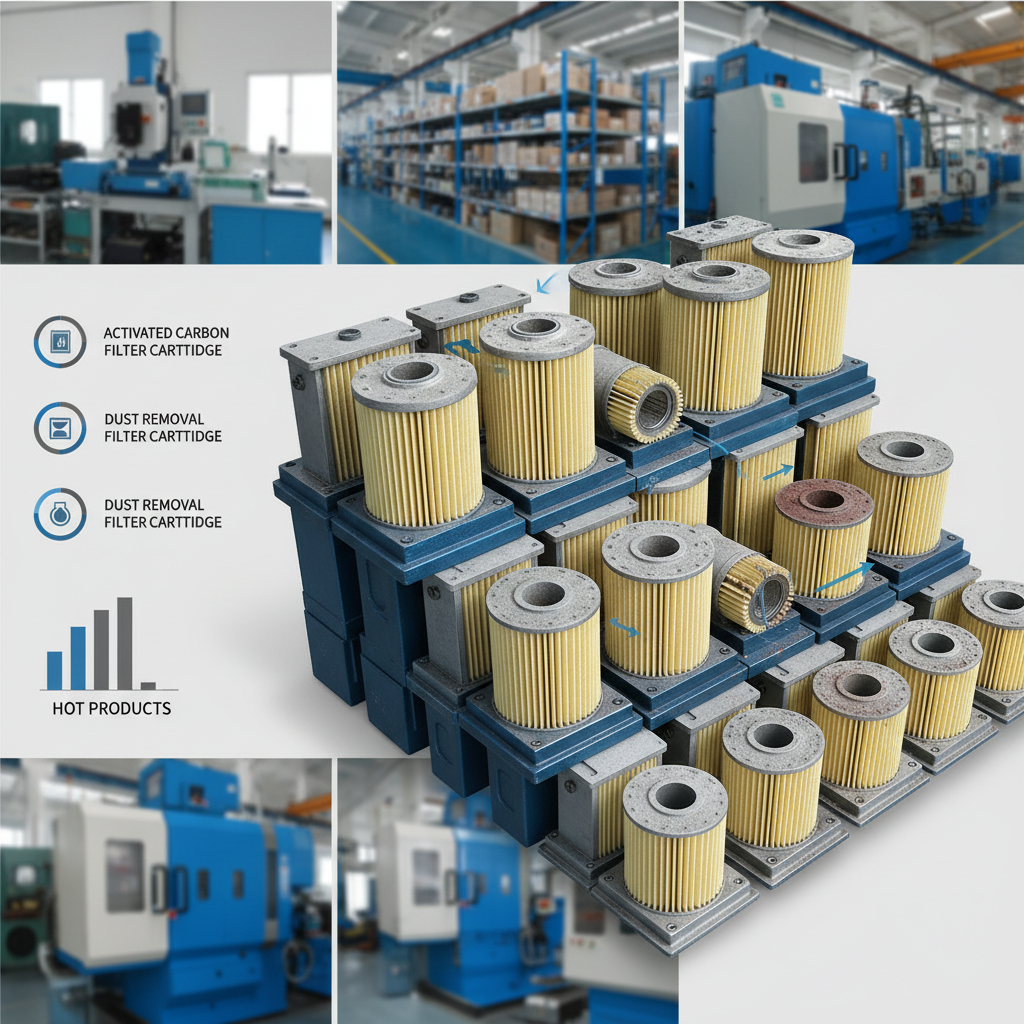
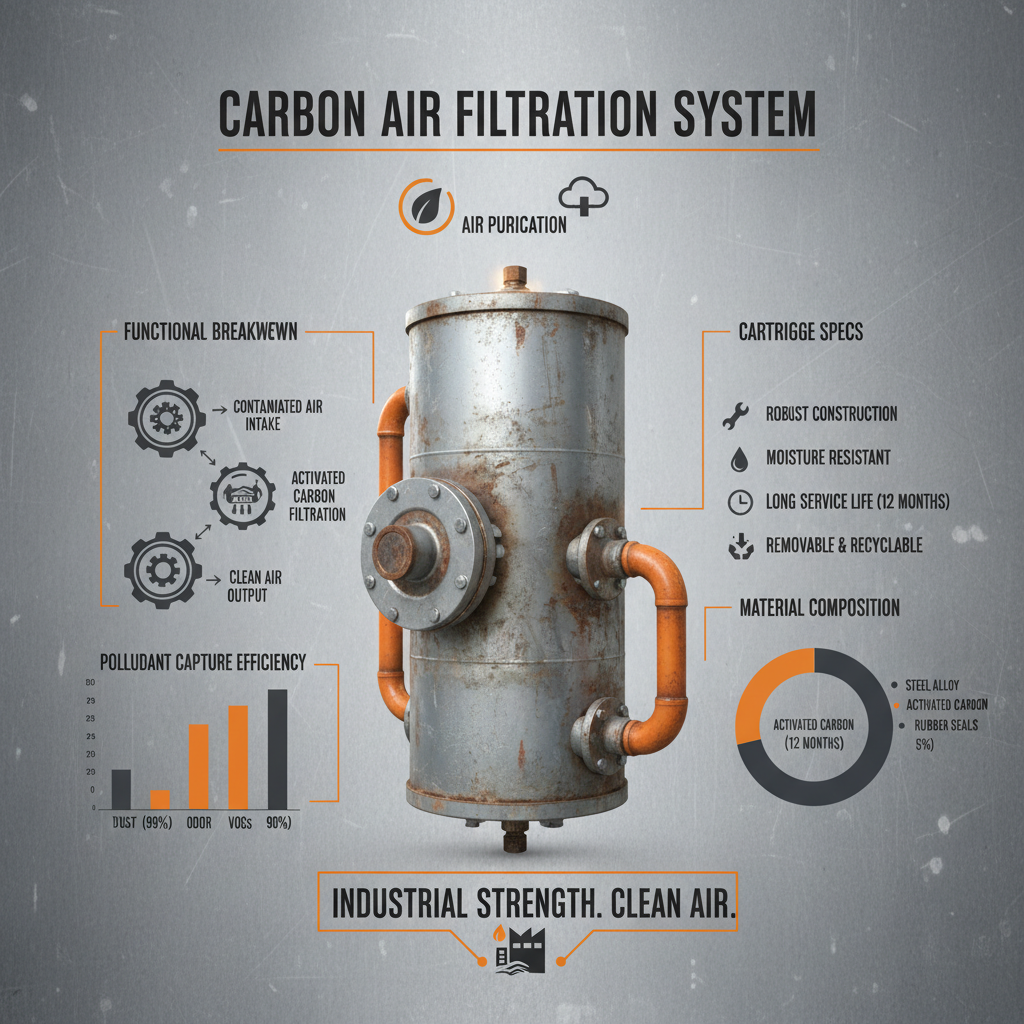
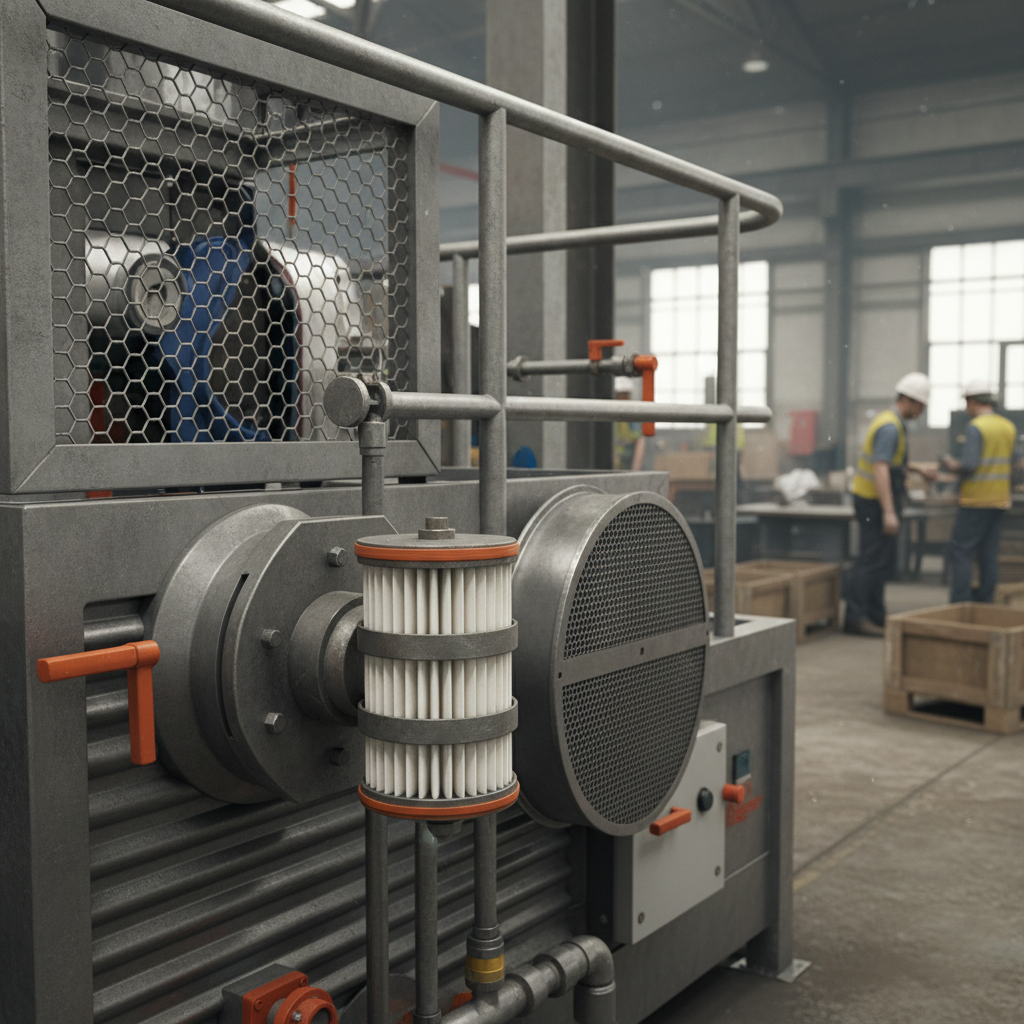
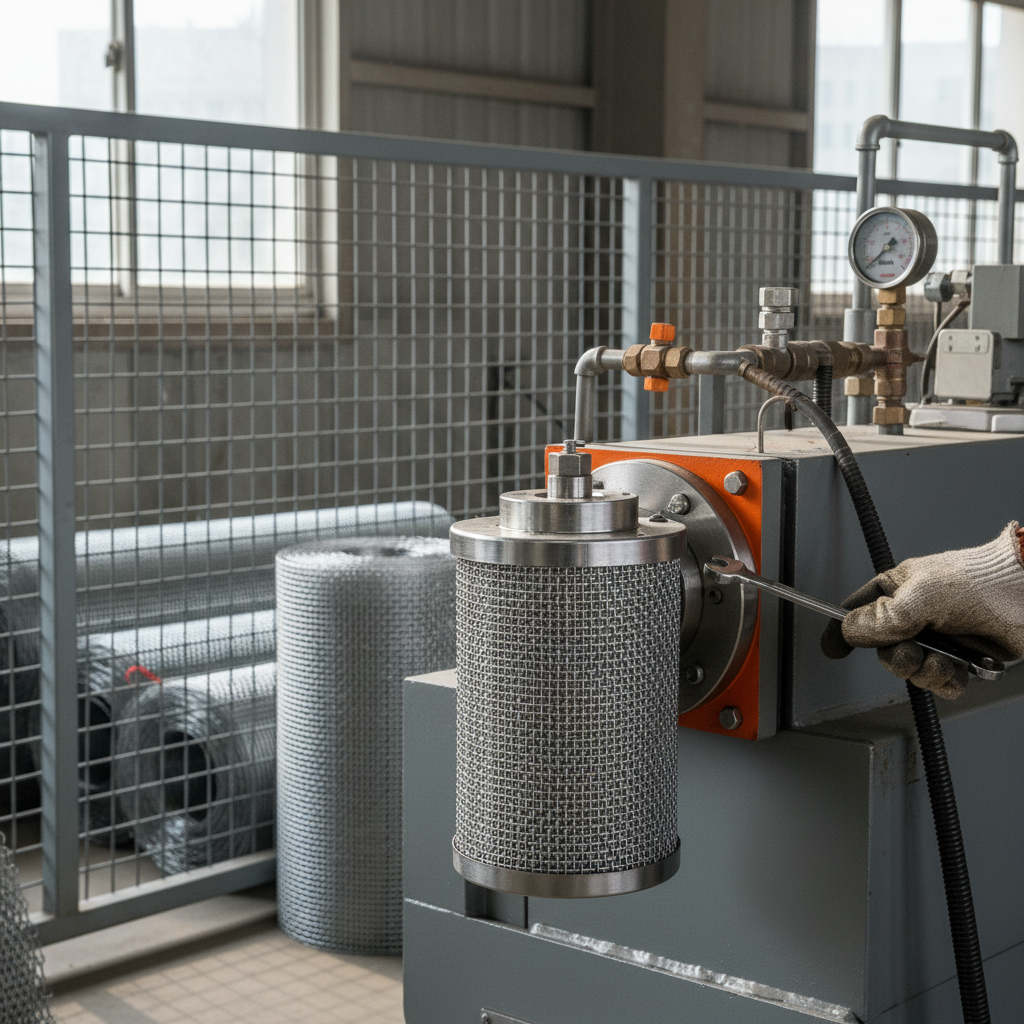
In the demanding landscape of modern industrial air filtration, pleated dust collection cartridges have emerged as a critical component for maintaining air quality and operational safety. These specialized filtration elements are designed to capture fine particulate matter from airstreams, preventing hazardous dust from contaminating the workspace or escaping into the environment. By maximizing the surface area within a compact footprint, they offer a high-efficiency solution for industries ranging from woodworking to chemical processing.
The global shift toward stricter environmental regulations and occupational health standards has placed a premium on the performance of pleated dust collection cartridges. As ISO standards for air quality become more stringent, companies are moving away from basic bag filters toward pleated designs that provide superior filtration efficiency and lower pressure drops. This transition is not merely about compliance, but about enhancing the longevity of machinery and protecting the respiratory health of workers worldwide.
Understanding the nuances of these cartridges—from media selection to pleat geometry—is essential for any facility manager looking to optimize their dust collection system. By integrating high-quality pleated dust collection cartridges, industries can achieve a delicate balance between high airflow and precision filtration. This guide explores the technical depth, practical applications, and future innovations of these essential industrial tools, providing a comprehensive roadmap for maximizing filtration ROI.
Global Relevance of Pleated Dust Collection Cartridges
On a global scale, the demand for pleated dust collection cartridges is driven by the rapid industrialization of emerging economies and the tightening of EPA and EU emission standards. In regions like Southeast Asia and India, where manufacturing output is surging, the need to mitigate airborne particulates is paramount to avoid environmental degradation and public health crises.
Furthermore, the integration of these cartridges into global supply chains ensures that high-precision manufacturing—such as semiconductor fabrication and pharmaceutical production—can operate in "clean-room" conditions. The ability of pleated dust collection cartridges to handle varied micron sizes makes them a universal standard for industrial air purification.
Defining the Mechanics of Pleated Filtration
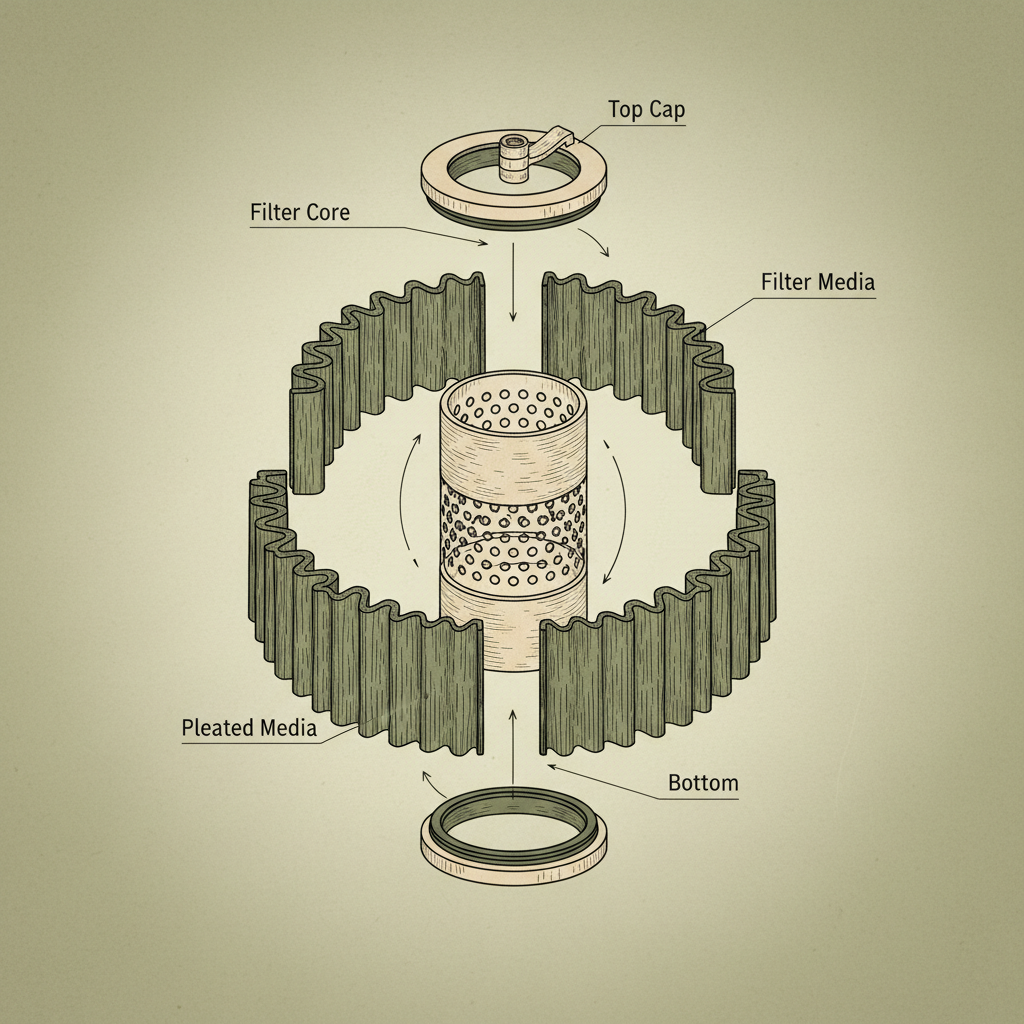
At its core, a pleated dust collection cartridge is a cylindrical filter element where the filtration media is folded into a series of pleats. This geometric configuration is the "secret sauce" of the design; by folding the material, engineers can fit a massive amount of surface area into a very small volume. This prevents the filter from clogging too quickly and allows for a higher volume of air to pass through without excessive resistance.
Unlike traditional flat filters, pleated dust collection cartridges utilize depth filtration. As dust-laden air penetrates the media, particles are trapped not only on the surface but also within the fibers of the material. This creates a "dust cake" that actually improves filtration efficiency over time, as the captured particles help trap even smaller subsequent particles.
Modern industrial needs have pushed the definition of these cartridges beyond simple fabric. Today, they incorporate synthetic polymers, PTFE membranes, and electrostatic charges to tackle sub-micron particles. This evolution ensures that whether a factory is dealing with coarse sawdust or microscopic metallic fumes, there is a pleated configuration capable of maintaining air purity.
Core Components for Maximum Durability
The effectiveness of pleated dust collection cartridges depends heavily on the quality of the filter media. Polyester, polypropylene, and fiberglass are common choices, but the addition of a PTFE (Teflon) coating is what defines a high-performance cartridge. This coating ensures that dust releases easily during cleaning cycles, significantly extending the life of the filter.
Another critical component is the end cap and the metal support cage. The end caps must provide an airtight seal to prevent "bypass," where unfiltered air leaks around the edges. Meanwhile, the internal cage provides the structural integrity needed to withstand the pressure pulses of pulse-jet cleaning systems, ensuring the pleated dust collection cartridges do not collapse under vacuum.
Finally, the pleat spacing and depth are engineered to balance airflow and capacity. Too tight, and the pleats may pinch, reducing the effective area; too wide, and the cartridge loses its compact advantage. Precision engineering in these dimensions allows pleated dust collection cartridges to maintain consistent pressure drops across their entire operational lifespan.
Industrial Applications and Use Cases
The versatility of pleated dust collection cartridges allows them to be deployed in a vast array of environments. In the automotive industry, they are used to capture paint overspray and grinding dust, ensuring that the final finish of vehicles is flawless. In the food and beverage sector, they are essential for collecting flour, sugar, and spice powders, preventing combustible dust explosions.
In more extreme contexts, such as mining operations in remote industrial zones, these cartridges are integrated into heavy-duty mobile dust collectors. These units protect operators from silica dust and other mineral particulates that can cause permanent lung damage. The ability to replace pleated dust collection cartridges quickly and easily makes them ideal for high-uptime industrial environments.
Efficiency Comparison of Pleated Dust Collection Cartridge Types
Tangible Advantages and Long-Term Value
The primary logical advantage of utilizing pleated dust collection cartridges is the drastic reduction in operational costs over time. While the initial investment may be higher than standard bag filters, the extended service life and reduced energy consumption (due to lower pressure drop) create a far more favorable Total Cost of Ownership (TCO).
Beyond the financials, there is a powerful emotional and social value: safety and dignity. A workplace free of suffocating dust is a workplace where employees feel valued and protected. By investing in high-grade pleated dust collection cartridges, a company signals its commitment to innovation and the well-being of its workforce, fostering a culture of trust and reliability.
Future Trends in Filtration Technology
The future of pleated dust collection cartridges is leaning heavily toward "Smart Filtration." We are seeing the integration of IoT sensors directly into the cartridge housing, allowing real-time monitoring of pressure differentials. This enables predictive maintenance, where a cartridge is replaced exactly when its efficiency drops, rather than on a fixed, often inefficient, schedule.
Sustainability is also driving material innovation. Researchers are developing biodegradable filter media and recyclable polymers to reduce the environmental footprint of spent cartridges. The goal is to transition from a "use-and-discard" model to a circular economy where the materials in pleated dust collection cartridges can be reclaimed and repurposed.
Additionally, the rise of nanotechnology is introducing "nano-fiber" layers to the pleated structure. These ultra-thin fibers can capture viral-sized particles and hazardous fumes with almost zero increase in air resistance, pushing the boundaries of what pleated dust collection cartridges can achieve in highly toxic industrial environments.
Challenges and Expert Solutions
One of the most common challenges with pleated dust collection cartridges is "blinding," where moist or oily dust creates an impermeable layer on the media. This causes the pressure to spike and the system to fail. The expert solution is the application of oleophobic (oil-repelling) and hydrophobic (water-repelling) coatings, which prevent the dust from adhering permanently.
Another limitation is the risk of pleat collapse during high-pressure cleaning pulses. To overcome this, manufacturers are implementing reinforced internal supports and optimizing the "pleat-to-gap" ratio. By ensuring a more stable structural geometry, the pleated dust collection cartridges can withstand thousands of cleaning cycles without losing their shape.
Finally, improper installation often leads to air leakage. To solve this, the industry is moving toward "quick-lock" flange designs and pre-installed gaskets. These innovations ensure that pleated dust collection cartridges are seated perfectly every time, eliminating the human error associated with manual sealing.
Comparative Analysis of Pleated Dust Collection Cartridge Specifications
| Material Type |
Filtration Grade |
Pressure Drop (Low-High) |
Service Life Score (1-10) |
| Standard Polyester |
Coarse to Medium |
Moderate |
6 |
| PTFE Coated |
Fine / Sub-micron |
Very Low |
9 |
| Polypropylene |
Chemical/Acidic Dust |
Low |
7 |
| Nano-fiber Blend |
Ultra-Fine |
Moderate |
8 |
| Glass Fiber |
High Temperature |
High |
5 |
| Anti-Static Media |
Combustible Dust |
Low |
8 |
FAQS
The primary difference is the surface area. Pleating allows for a significantly larger area of filtration media to be packed into the same cylindrical space. This results in a lower air-to-cloth ratio, which means lower pressure drop, better particle capture, and a longer time between cleaning cycles compared to traditional bags.
Replacement schedules vary by industry, but generally, you should replace them when the pressure drop (differential pressure) exceeds the manufacturer's recommended limit even after a full cleaning cycle. For high-dust environments, this could be every 6-12 months; for cleaner air, it may be every 2-3 years.
Yes, absolutely. PTFE membranes create a surface-loading effect where dust is trapped on the very outer layer rather than deep within the fibers. This makes "cake release" much more effective during pulse-jet cleaning, preventing permanent clogging (blinding) and extending the usable life of the cartridge.
Standard polyester cartridges struggle with wet dust, as it creates a "mud" that seals the filter. However, cartridges treated with hydrophobic coatings or made from specific synthetic polymers are designed to repel moisture, making them suitable for slightly damp environments.
Low-quality cartridges often suffer from poor pleat consistency and weak end-cap seals. This leads to "bypass," where dust leaks into the clean air plenum, potentially damaging your fan or blowers and compromising the health of your workers by releasing fine particulates back into the room.
You must analyze the particle size of your dust. For coarse sawdust, a 1-5 micron rating is sufficient. For metallic fumes or chemical powders, you may need 0.1 to 0.5 microns. Choosing a rating that is too fine for your needs will increase pressure drop and energy costs unnecessarily.
Conclusion
In summary, pleated dust collection cartridges represent the pinnacle of industrial air filtration, combining geometric efficiency with material science to protect both human health and industrial machinery. From the critical importance of PTFE membranes for cake release to the implementation of smart IoT monitoring, these components are essential for any facility striving for operational excellence and environmental compliance.
Looking ahead, the move toward sustainable materials and nano-fiber technology will further elevate the role of these cartridges in the global fight against industrial pollution. We recommend that facility managers perform a comprehensive audit of their current filtration media to ensure they are utilizing the most efficient pleat configuration for their specific dust profile. To explore high-performance filtration solutions tailored to your industry, visit our website: www.onlyfiltercartridge.com.

 Email:admin@only-filter.com
 Tel:
+8615930870079
Tel:
+8615930870079