Air filter cartridges are essential components in a wide array of systems, from HVAC units ensuring indoor air quality to sophisticated industrial processes demanding particulate-free environments. The global demand for these cartridges is steadily increasing, driven by growing concerns regarding air pollution, stringent regulatory standards, and the expanding need for cleanroom technologies. Understanding the principles behind air filter cartridge design, performance, and application is crucial for engineers, facility managers, and anyone seeking to optimize air filtration systems.
The air filter cartridge market is a multi-billion dollar industry, fueled by innovations in filtration media, manufacturing techniques, and a broadening range of applications. From residential air purifiers to critical medical equipment, the reliance on effective air filtration is paramount. This reliance is heightened by increased awareness of the health impacts of airborne particles, pushing the boundaries of filter technology.
Efficient air filter cartridges are no longer simply about removing dust; they're about safeguarding health, protecting sensitive equipment, and ensuring optimal process performance across diverse sectors. Investing in the right cartridge—and understanding its lifecycle—is a vital step towards a cleaner, safer, and more efficient future.
The Global Importance of air filter cartridge
The global relevance of air filter cartridges is underscored by increasing air pollution levels, particularly in rapidly industrializing nations. According to the World Health Organization (WHO), 99% of the global population breathes air that exceeds WHO air quality limits. This necessitates robust air filtration solutions across numerous sectors. The United Nations Environment Programme (UNEP) estimates that air pollution causes millions of premature deaths annually, further emphasizing the critical role of effective air filter cartridges.
Industries like pharmaceuticals, food processing, and electronics rely heavily on high-efficiency air filter cartridges to maintain product integrity and prevent contamination. The ISO 14644-1 standard, defining cleanroom classifications, relies heavily on the performance of installed air filter cartridges. A challenge lies in balancing filtration efficiency with airflow resistance, a key factor influencing energy consumption and system performance.
Defining air filter cartridge
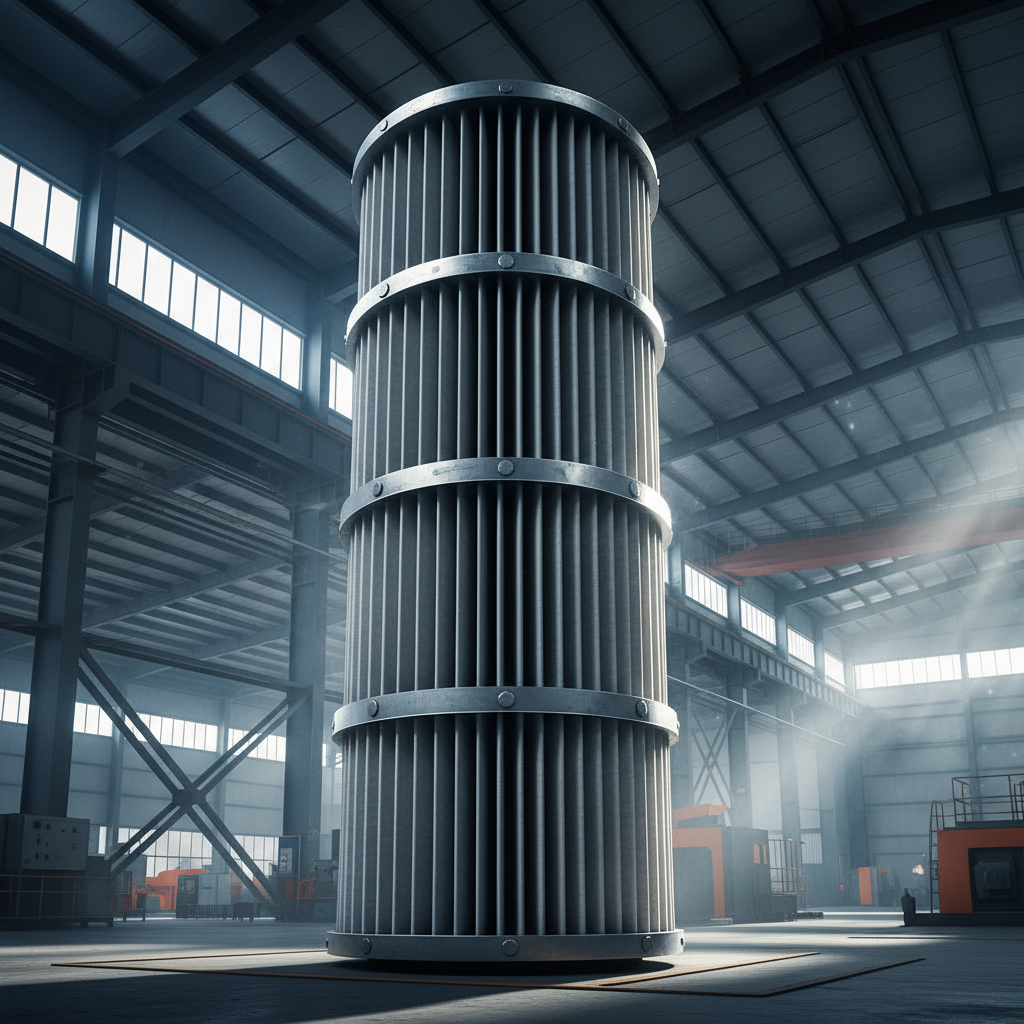
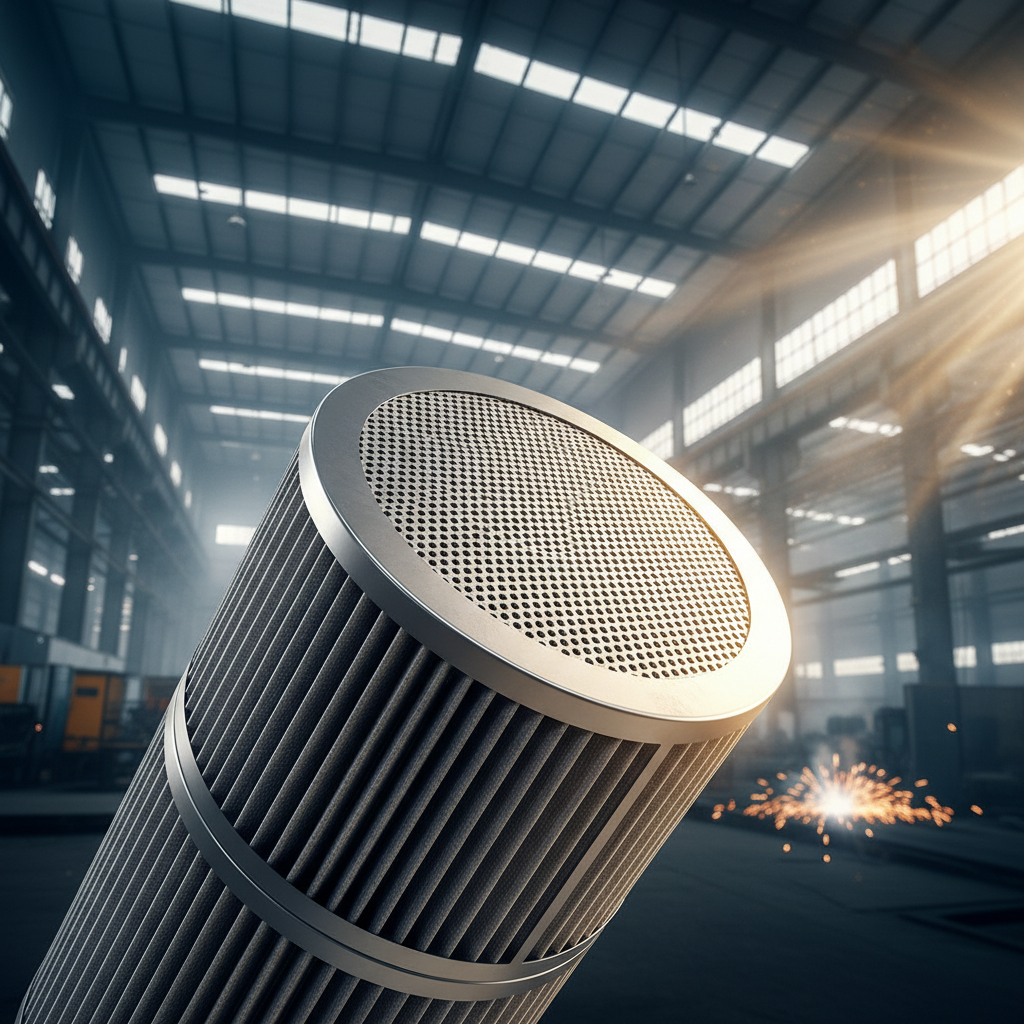
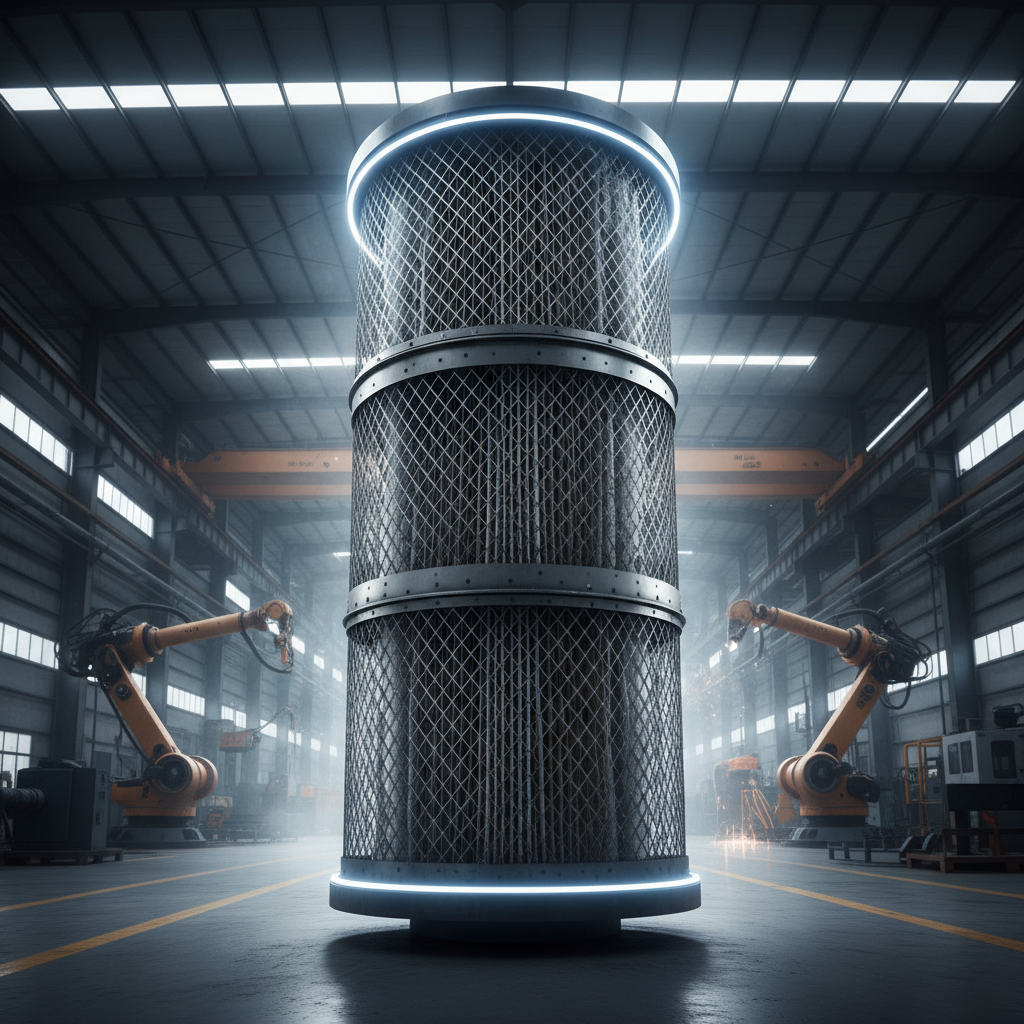
An air filter cartridge is a self-contained unit designed to remove particulate matter, gases, and biological contaminants from the air stream. It typically comprises a filter media encased in a rigid frame, allowing for easy installation and replacement within an air handling system. The filter media can vary widely—from pleated paper and fiberglass to advanced synthetic materials and HEPA (High-Efficiency Particulate Air) filters.
Its connection to modern industry is undeniable. From manufacturing processes requiring precise contamination control to healthcare facilities needing sterile environments, air filter cartridges are foundational. They ensure product quality, protect sensitive equipment, and safeguard human health. In humanitarian contexts, portable air filter cartridges are deployed in disaster relief operations to provide clean air in affected areas.
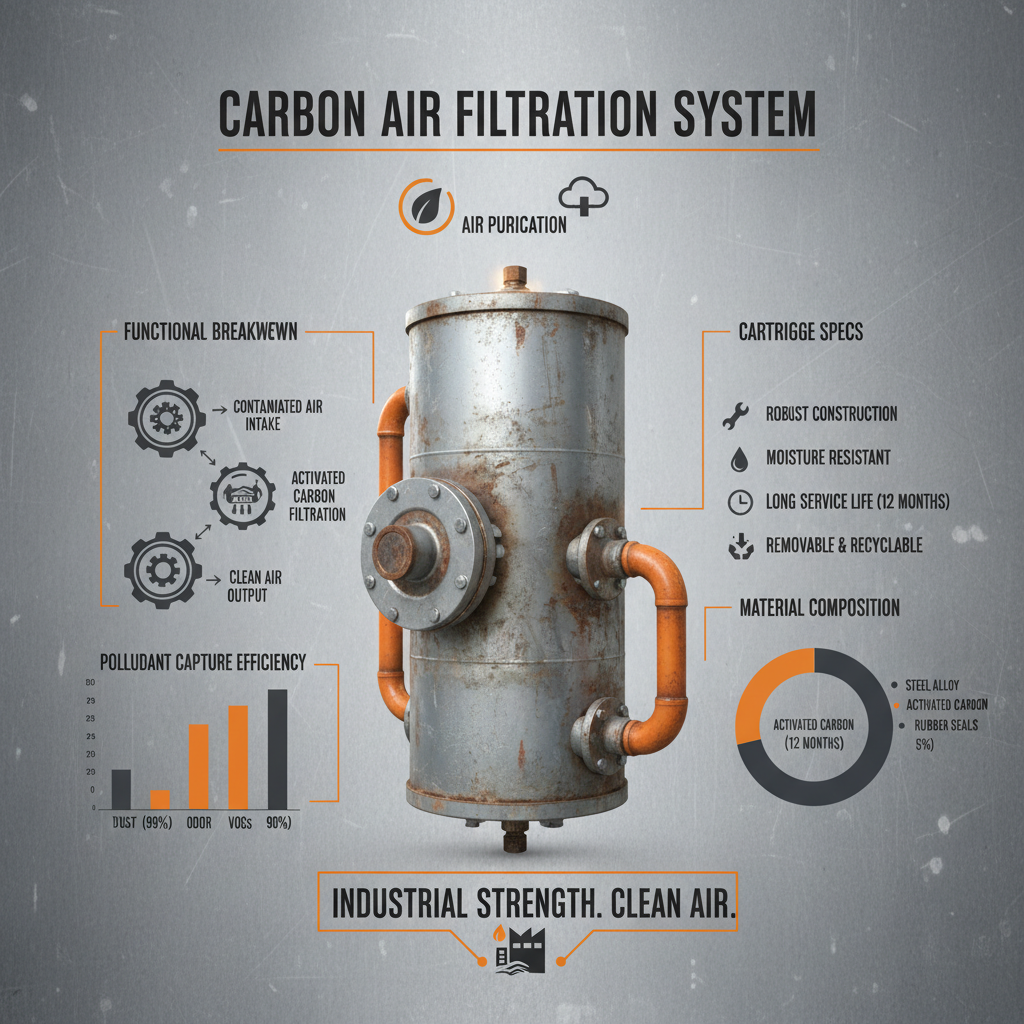
The effectiveness of an air filter cartridge is measured by its Minimum Efficiency Reporting Value (MERV) rating, ranging from 1 to 20. Higher MERV ratings indicate greater filtration efficiency, capturing smaller particles. Choosing the appropriate MERV rating is critical, as higher efficiency often comes at the cost of increased airflow resistance.
Key Characteristics of High-Performance air filter cartridge
High-performance air filter cartridges are characterized by a combination of key factors. First, filtration efficiency – the cartridge’s ability to capture particles of varying sizes – is paramount. This is directly related to the type of filter media used and its construction. Second, airflow resistance must be optimized; a low resistance ensures minimal energy consumption and maintains system performance.
Third, durability is essential for longevity and reduced replacement frequency. A robust frame and high-quality filter media contribute to extended service life. Fourth, capacity – the amount of particulate matter the cartridge can hold before requiring replacement – directly impacts maintenance costs and downtime. Finally, compatibility with existing air handling systems is crucial for seamless integration and optimal performance.
These characteristics are not independent; they often involve trade-offs. For example, increasing filtration efficiency might also increase airflow resistance. Therefore, selecting the right air filter cartridge requires a careful assessment of specific application requirements and priorities.
Core Components and Their Impact on Performance
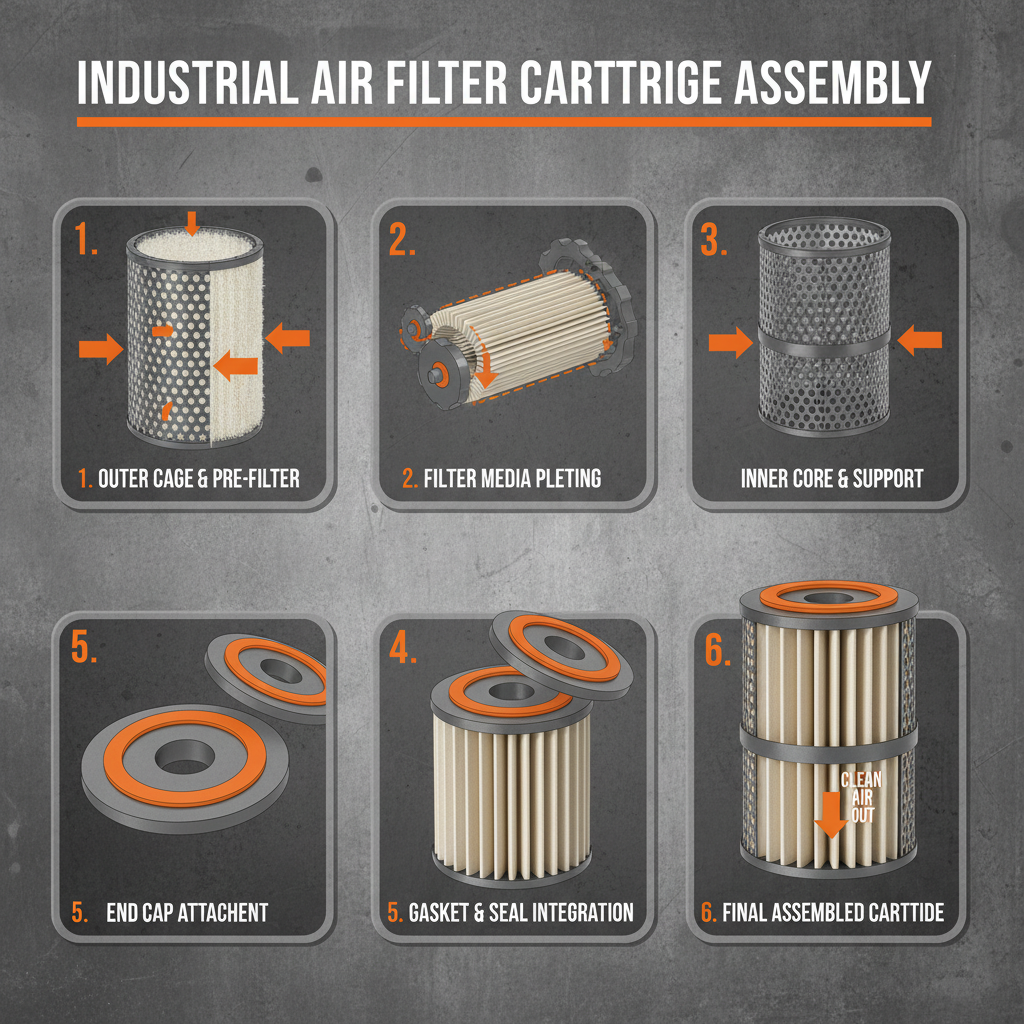
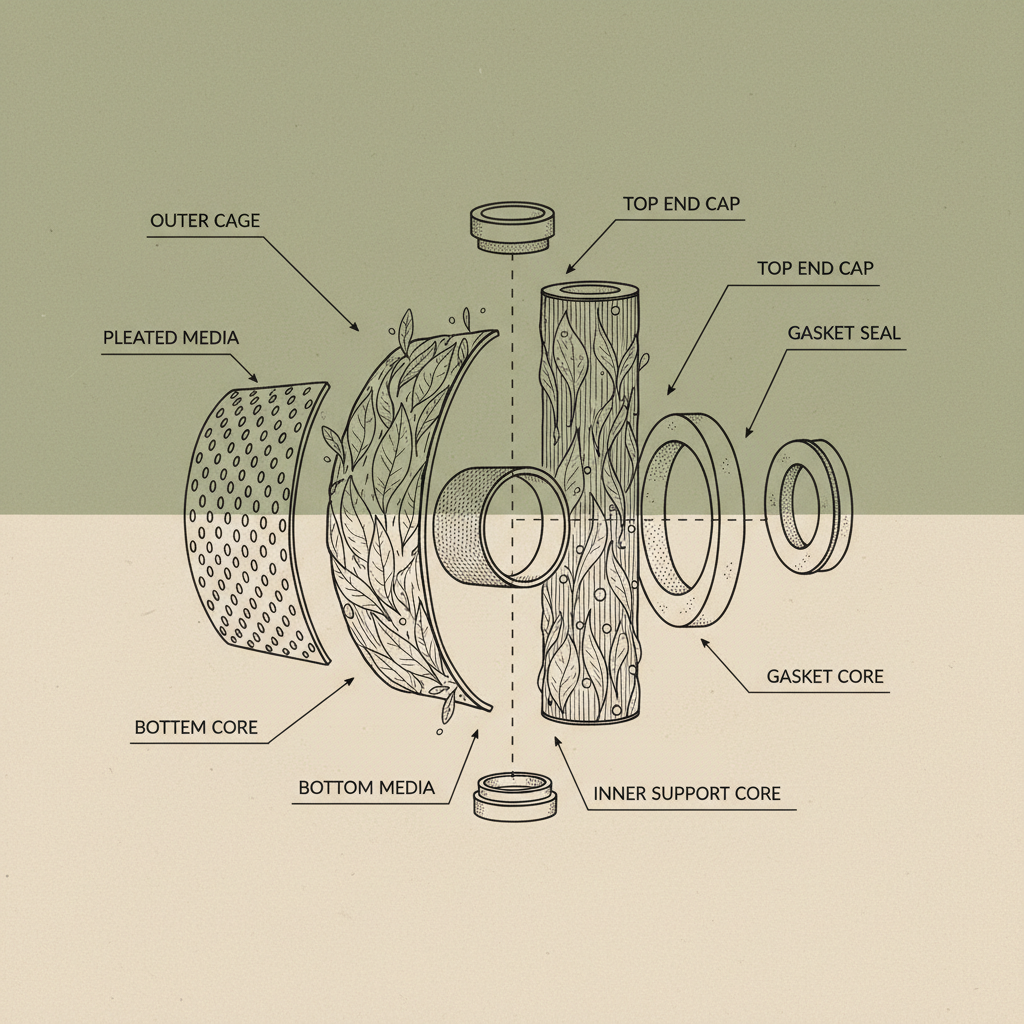
The performance of an air filter cartridge is intrinsically linked to its core components. The filter media is the primary component, determining the level of filtration. Common media types include synthetic fibers, fiberglass, pleated paper, and HEPA filters, each with varying efficiency and cost. The frame provides structural support and ensures a proper seal within the air handling system.
The sealant is critical for preventing air bypass, ensuring that all air passes through the filter media. The support layers (pre-layers or post-layers) can extend the lifespan of the primary filter media by capturing larger particles or protecting it from damage.
Air Filter Cartridge Performance Factors
Real-World Applications of air filter cartridge
Air filter cartridges find application in a remarkably diverse range of settings. Within the healthcare industry, HEPA-filtered air is crucial in operating rooms, isolation wards, and laboratories to prevent the spread of infections. In the manufacturing sector, air filter cartridges protect sensitive equipment and maintain product quality in industries like pharmaceuticals, semiconductors, and food processing.
Commercial buildings utilize air filter cartridges in HVAC systems to improve indoor air quality and enhance occupant comfort. Residential air purifiers employ smaller air filter cartridges to remove allergens, dust, and odors. In post-disaster relief operations, portable air filter cartridges provide clean air to shelters and field hospitals.
Advantages and Long-Term Value Proposition
The advantages of using high-quality air filter cartridges extend beyond immediate air quality improvements. Reduced energy consumption due to optimized airflow resistance translates into cost savings. Improved equipment reliability and longevity, stemming from protection against particulate contamination, minimizes downtime and repair expenses.
From a sustainability perspective, extended cartridge lifespan reduces waste generation and associated disposal costs. Enhanced indoor air quality contributes to improved employee productivity and reduced sick leave. The long-term value proposition lies in a holistic approach to air filtration—prioritizing not just initial cost, but also performance, durability, and environmental impact.
Future Trends and Innovations in air filter cartridge Technology
The future of air filter cartridge technology is poised for significant innovation. Nanomaterials are being explored to enhance filtration efficiency and capture even smaller particles. Smart filters equipped with sensors and data analytics will provide real-time monitoring of filter performance and predict replacement needs.
Electret filters, utilizing electrostatic charge to attract particles, are gaining traction for their high efficiency and low airflow resistance. Bio-based filter media, derived from renewable resources, offer a sustainable alternative to traditional synthetic materials. The integration of digital technologies—such as IoT and AI—will further optimize air filtration systems and drive cost savings.
Furthermore, the growing emphasis on indoor air quality and the increasing awareness of the health impacts of airborne pollutants are driving demand for advanced air filter cartridges capable of removing viruses, bacteria, and volatile organic compounds (VOCs).
FAQS
MERV (Minimum Efficiency Reporting Value) ratings indicate the percentage of particles an air filter cartridge captures, ranging from 1 to 20. HEPA (High-Efficiency Particulate Air) filters are a specific type of air filter cartridge that must capture at least 99.97% of particles 0.3 microns in size. HEPA filters always have a MERV rating of 17-20, representing the highest level of filtration efficiency.
The replacement frequency depends on several factors, including the filter’s MERV rating, the level of air pollution, and the system's usage. Generally, standard 1-3 MERV filters should be replaced every 1-3 months, while higher MERV filters (8-13) may last 6-12 months. Regularly inspect the cartridge for visible dirt buildup; a heavily soiled cartridge should be replaced regardless of the timeframe.
Using a higher MERV filter than your HVAC system is designed for can restrict airflow and put a strain on the blower motor, potentially leading to damage. Check your HVAC manufacturer’s recommendations for the appropriate MERV rating. If you're unsure, consult a qualified HVAC technician.
Electrostatic air filter cartridges use an electrostatic charge to attract and capture particles. They offer high filtration efficiency with relatively low airflow resistance compared to some mechanical filters. They can capture very small particles, including allergens, dust mites, and some viruses. They are also washable and reusable, potentially reducing long-term costs.
The environmental impact of air filter cartridges varies. Disposable cartridges contribute to landfill waste. However, some manufacturers are developing more sustainable options, such as bio-based filter media and reusable, washable cartridges. Properly disposing of used cartridges (where applicable) and choosing environmentally friendly options can minimize their environmental footprint.
Consider the specific pollutants you need to remove (dust, pollen, allergens, viruses). Assess your HVAC system's airflow capacity and the recommended MERV rating. Factor in your budget and desired replacement frequency. For allergies or asthma, a higher MERV rating (8-13) is generally recommended. Consulting an HVAC professional can help you make the best choice for your specific needs.
Conclusion
In conclusion, air filter cartridges are critical components for maintaining air quality across diverse applications. From safeguarding health in healthcare facilities to protecting sensitive equipment in manufacturing, their importance is undeniable. Understanding the core characteristics—filtration efficiency, airflow resistance, durability, and capacity—is essential for selecting the right cartridge for specific needs.
Looking ahead, innovations in nanomaterials, smart filters, and sustainable media promise to further enhance the performance and environmental friendliness of air filter cartridges. Investing in high-quality air filtration is not merely a cost; it's an investment in health, productivity, and a sustainable future. For a comprehensive range of air filter cartridge solutions, visit our website today.

 Email:admin@only-filter.com
 Tel:
+8615930870079
Tel:
+8615930870079