Cartridge oil filters are essential components in maintaining the performance and longevity of machinery across a multitude of industries. From automotive engines to complex hydraulic systems, these filters play a critical role in removing contaminants that can cause wear, reduce efficiency, and ultimately lead to failure. The increasing demand for high-performance, reliable filtration solutions is driving innovation in materials, designs, and manufacturing processes surrounding the cartridge oil filter.
Globally, the market for industrial filtration, including cartridge oil filters, is experiencing steady growth. Driven by factors such as increasing industrialization in emerging economies, stringent environmental regulations, and a greater focus on preventative maintenance, the need for effective filtration systems is paramount. This growth impacts not only manufacturing sectors but also service industries providing maintenance and repair of equipment reliant on such filters.
Understanding the principles behind cartridge oil filter technology, their various types, and proper application is crucial for engineers, technicians, and anyone responsible for maintaining machinery and optimizing operational efficiency. The benefits extend beyond simply protecting equipment; they contribute to reduced downtime, lower operating costs, and a minimized environmental footprint.
The Fundamentals of Cartridge Oil Filter Technology
At its core, cartridge oil filter technology relies on a porous medium to trap and remove particulate matter from fluids. The efficiency of this process depends on factors like pore size, filter material, and the flow rate of the fluid. Different materials—cellulose, synthetic fibers, and metal mesh—offer varying levels of filtration capability and resistance to different fluids and temperatures.
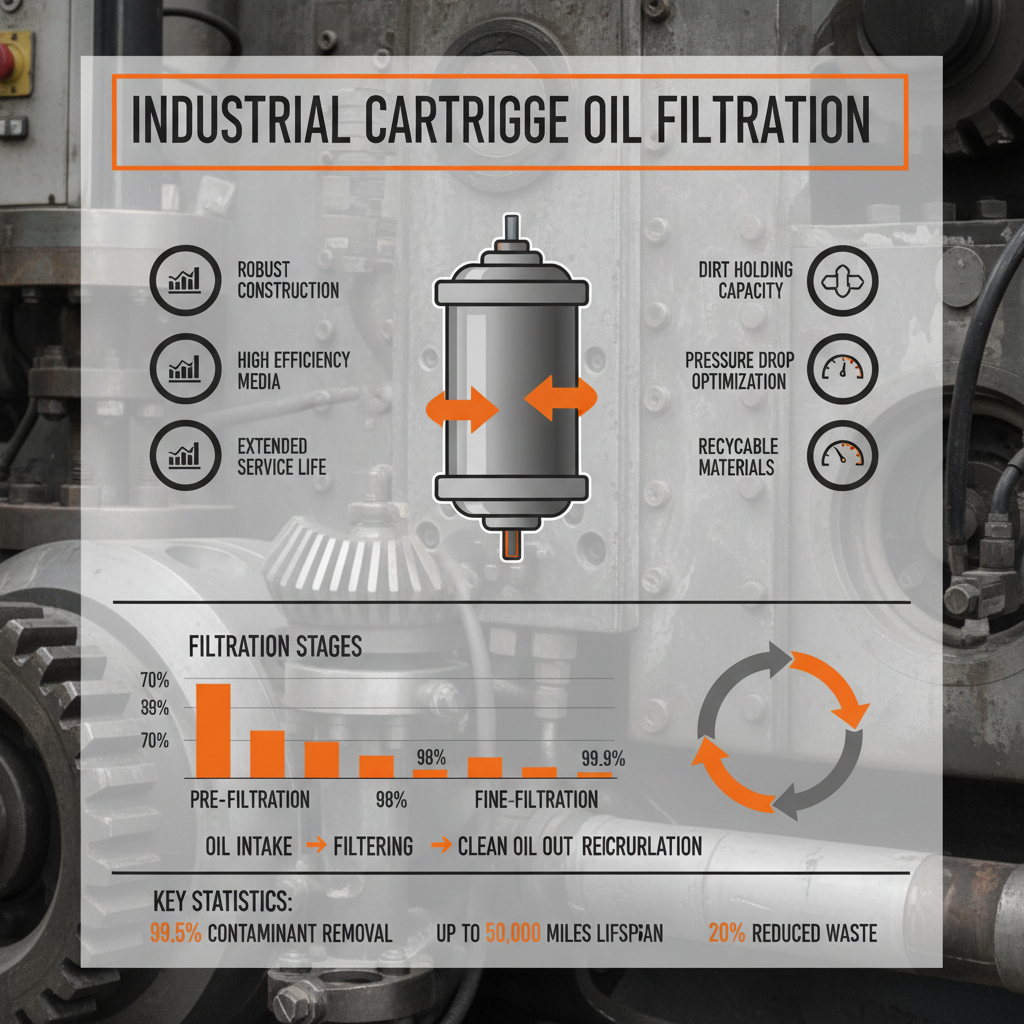
Modern cartridge filters often incorporate multiple layers and graded densities to maximize dirt-holding capacity and extend service life. Understanding these nuances is key to selecting the right filter for a specific application, ensuring optimal performance and protection of critical machinery.
Global Market Dynamics and Trends
The global cartridge oil filter market is influenced by a number of key trends. Increasing demand from the automotive industry, particularly for high-efficiency filters for modern engines, is a significant driver. Furthermore, the growth of industries like aerospace, power generation, and manufacturing contributes substantially to overall market expansion.
Geographically, Asia-Pacific represents the largest and fastest-growing market for cartridge oil filters, driven by rapid industrialization and increasing vehicle production in countries like China and India. North America and Europe also remain significant markets, with a focus on advanced filtration technologies and replacements for aging infrastructure.
Sustainability is emerging as a major trend, with manufacturers developing more eco-friendly filter materials and processes. This includes the use of recycled materials and biodegradable filter media, addressing growing concerns about environmental impact.
Defining Cartridge Oil Filters and Their Industrial Relevance
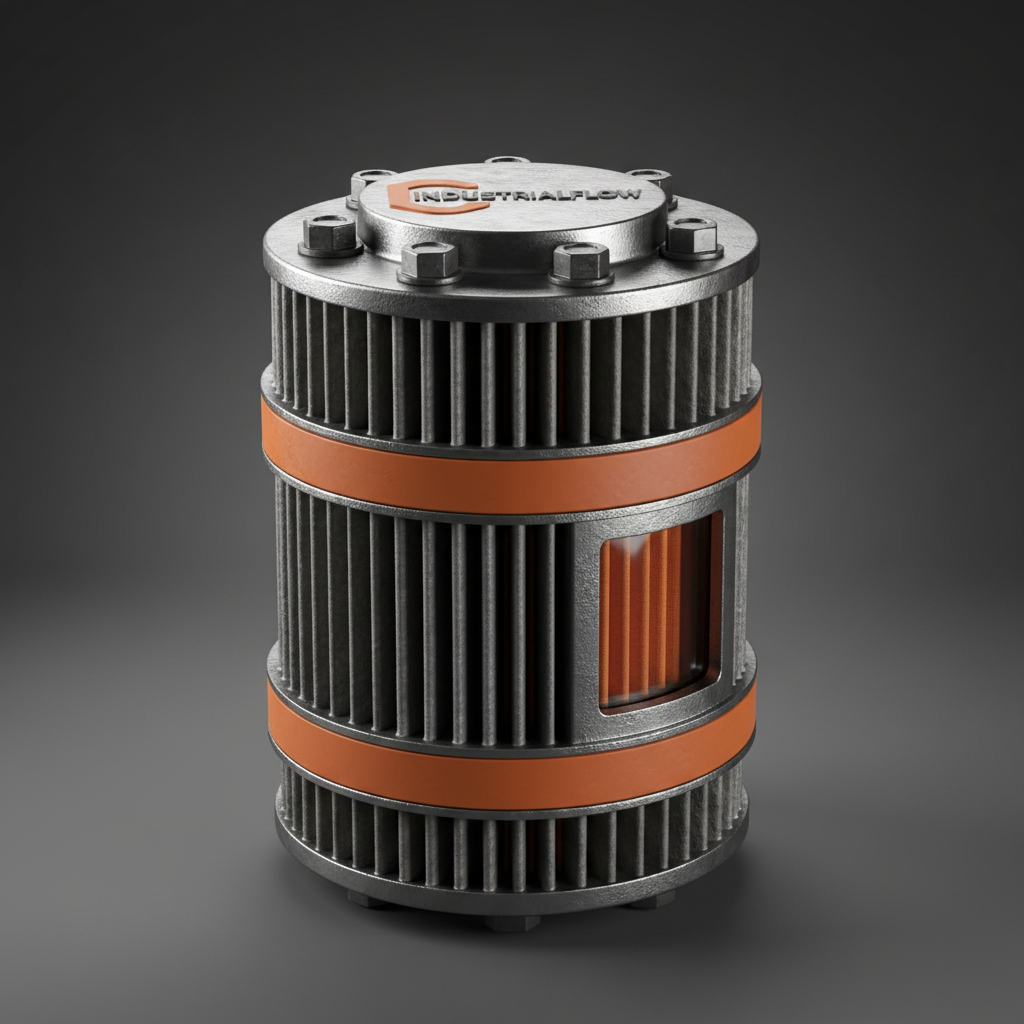
A cartridge oil filter is a self-contained filtration unit designed to remove contaminants from liquids, typically oil. Unlike other filter types, such as spin-on filters, cartridge filters utilize a replaceable element housed within a permanent housing. This design offers advantages in terms of cost-effectiveness, reduced waste, and the ability to accommodate a wider range of flow rates and filtration requirements.
The relevance of these filters spans across nearly all industrial sectors. In manufacturing, they protect sensitive machinery from wear and tear, ensuring consistent product quality. In power generation, they safeguard critical turbines and generators. And in transportation, they are essential for maintaining engine performance and reducing emissions.
Without reliable cartridge oil filter systems, industrial processes would be far more prone to breakdowns, downtime, and costly repairs, impacting productivity and profitability. They represent a fundamental component of preventative maintenance strategies globally.
Core Components and Performance Factors
Several key factors determine the performance of a cartridge oil filter. The filter media itself—typically constructed from materials like cellulose, polypropylene, or fiberglass—is paramount, defining the level of filtration and the types of contaminants removed. The pleat count and surface area of the media also significantly influence dirt-holding capacity.
Beyond the media, the filter housing plays a crucial role. It must be robust enough to withstand operating pressures and temperatures, and its design should minimize pressure drop while maximizing flow rate. The end caps and seals are equally important, preventing bypass and ensuring a leak-free operation.
Performance Comparison of Cartridge Oil Filter Materials
Diverse Applications Across Industries
The applications of cartridge oil filter are remarkably diverse. In the automotive industry, they are crucial for protecting engines from abrasive particles and maintaining oil viscosity. Within the hydraulic systems of heavy machinery, they prevent damage to pumps, valves, and actuators.
Aerospace applications demand extremely high-performance filters to safeguard critical engine components and ensure flight safety. In the food and beverage industry, they are used to filter process fluids and maintain product purity. Power plants, chemical processing facilities, and water treatment plants all rely on cartridge filters for various purification and separation processes.
Tangible and Intangible Benefits
The benefits of implementing effective cartridge oil filter solutions are both tangible and intangible. Tangible benefits include reduced maintenance costs, extended equipment lifespan, and minimized downtime. These translate directly into increased profitability and operational efficiency.
Intangible benefits encompass improved product quality, enhanced safety, and a strengthened reputation for reliability. Investing in high-quality filtration demonstrates a commitment to responsible operation and environmental stewardship, fostering trust with customers and stakeholders.
Future Innovations and Sustainability
The future of cartridge oil filter technology is focused on innovation and sustainability. Research is underway to develop new filter materials with enhanced filtration capabilities and longer service lives. Nanotechnology holds promise for creating filters with even finer pore sizes and improved contaminant removal.
Increased emphasis on circular economy principles is driving the development of recyclable filter cartridges and closed-loop filtration systems. Digital technologies, such as sensor integration and predictive maintenance algorithms, are also being incorporated to optimize filter performance and reduce waste.
Smart filters, equipped with sensors that monitor pressure drop and contaminant levels, will enable proactive filter replacement and prevent unexpected equipment failures. These advancements will contribute to a more sustainable and efficient future for industrial filtration.
Summary of Key Considerations for Cartridge Oil Filter Selection
| Application Type |
Contaminant Type |
Flow Rate (GPM) |
Filter Media Rating (Micron) |
| Automotive Engine |
Wear Particles, Soot |
5-10 |
10-25 |
| Hydraulic System |
Metal Shavings, Rubber Particles |
10-50 |
5-15 |
| Food & Beverage Processing |
Sediment, Microorganisms |
20-80 |
1-5 |
| Power Generation |
Rust, Scale, Debris |
100-500 |
25-100 |
| Aerospace Fuel Filtration |
Water, Particulate Matter |
10-30 |
1-3 |
| Chemical Processing |
Corrosive Particles, Solids |
50-200 |
10-50 |
FAQS
The lifespan of a cartridge oil filter varies greatly depending on the application, fluid condition, and filter media. Generally, a filter should be replaced when the pressure drop across it reaches a predetermined level (typically 10-15 psi). Regular monitoring of pressure drop and adherence to manufacturer’s recommendations are crucial. Most filters require replacement between 3-6 months in typical industrial applications, but some can last significantly longer with proper maintenance.
Selecting the appropriate micron rating is crucial for effective filtration. A lower micron rating (e.g., 1-5 microns) provides finer filtration, removing smaller particles, but can also lead to faster clogging and increased pressure drop. A higher micron rating (e.g., 25-50 microns) offers lower resistance but may not capture all contaminants. Consider the sensitivity of the downstream equipment and the type of contaminants present when making your selection.
Cartridge filters offer several advantages over spin-on filters. They typically have a higher dirt-holding capacity, allowing for longer service life. The replaceable cartridge minimizes waste, as only the filter element needs to be discarded, not the entire housing. Cartridge filters also provide greater flexibility in terms of micron rating and media selection to precisely match application requirements.
Used cartridge oil filters contain contaminated oil and should be disposed of responsibly. Never dispose of them in regular trash. Recycling is the preferred method, if available in your area. Alternatively, they should be treated as hazardous waste and disposed of according to local regulations. Contact a qualified waste management company for guidance.
Cartridge oil filters are commonly constructed from a variety of materials. The filter media itself can be made from cellulose, polypropylene, fiberglass, or synthetic fibers. The housing is often made from steel, stainless steel, or aluminum. Seals and gaskets are typically made from nitrile rubber or Viton, chosen for their compatibility with the fluids being filtered.
The most common indicator of a clogged cartridge oil filter is an increase in pressure drop across the filter. Many systems are equipped with pressure gauges to monitor this. Other signs include reduced flow rate, increased system noise, and decreased equipment performance. Regular pressure checks are essential for proactive maintenance and preventing damage to the system.
Conclusion
In conclusion, cartridge oil filter technology is a critical component in maintaining the reliability and efficiency of a vast range of industrial processes. From automotive engines to power generation plants, these filters protect valuable equipment, reduce downtime, and contribute to a more sustainable future. Understanding the core principles, advancements, and proper application of these filters is essential for anyone involved in equipment maintenance and operation.
As technology continues to evolve, expect to see further innovations in filter materials, designs, and monitoring capabilities. Proactive adoption of these advancements, coupled with a commitment to responsible disposal practices, will unlock even greater benefits in terms of performance, cost savings, and environmental impact. Visit our website at www.onlyfiltercartridge.com to explore our comprehensive range of filtration solutions.

 Email:admin@only-filter.com
 Tel:
+8615930870079
Tel:
+8615930870079