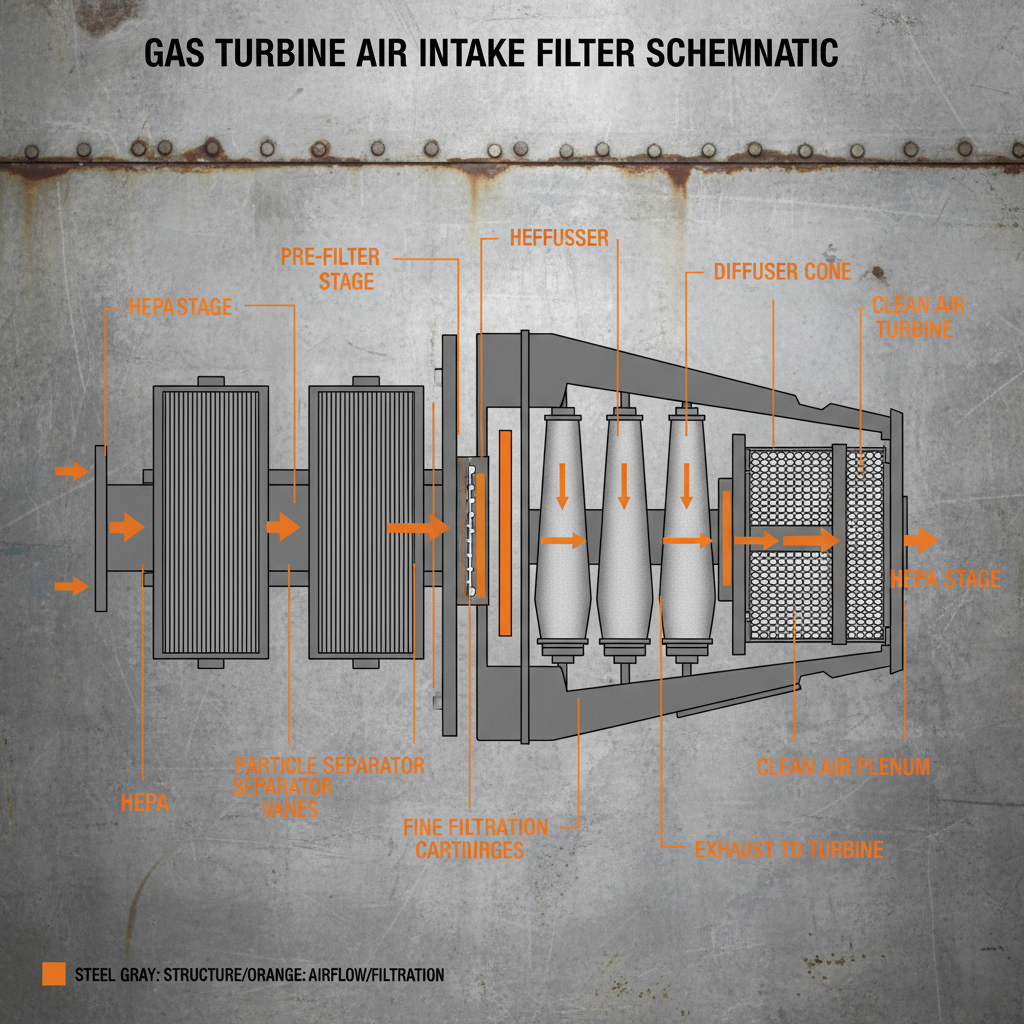
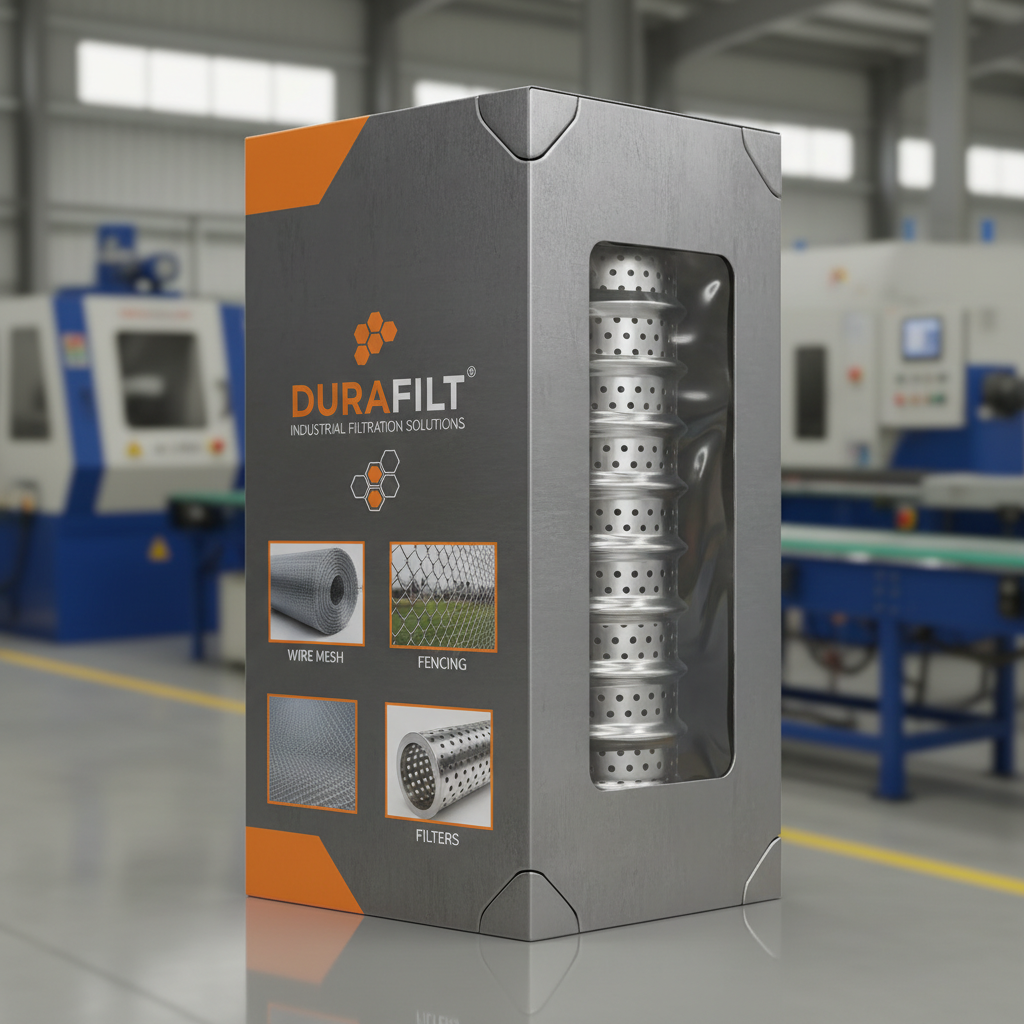
In the modern industrial landscape, maintaining air purity and managing particulate emissions are no longer optional—they are critical requirements for operational efficiency and environmental compliance. The silo filter cartridge stands as a cornerstone in this effort, providing a high-efficiency solution for capturing airborne dust and contaminants during the storage and transfer of bulk materials. By integrating advanced filtration media, these components ensure that industrial facilities can maintain a clean working environment while adhering to strict global emissions standards.
Globally, the demand for sophisticated filtration is surging as industries shift toward more sustainable "Green Manufacturing" practices. Whether in cement plants, grain silos, or chemical processing units, the failure to effectively manage dust leads to not only environmental penalties but also significant risks of equipment wear and industrial explosions. Implementing a high-quality silo filter cartridge minimizes these risks, optimizing the balance between high-volume throughput and stringent air quality control.
Understanding the nuances of filter selection—from material permeability to structural durability—allows facility managers to reduce downtime and lower the total cost of ownership. This guide explores the comprehensive role of the silo filter cartridge, detailing its technical components, global applications, and the innovative trends shaping the future of industrial air purification.
Global Industrial Context of Silo Filter Cartridges
The global industrial sector is currently facing unprecedented pressure to align with ISO 14001 environmental management standards. As emerging economies in Asia and Africa expand their infrastructure, the volume of particulate matter (PM) released from bulk material silos has become a significant environmental concern. The silo filter cartridge serves as the primary defense mechanism, preventing the release of hazardous dust into the atmosphere and ensuring that factory perimeters remain safe for workers.
Data from global environmental agencies suggest that inefficient dust collection can reduce plant productivity by up to 15% due to unplanned maintenance and health-related downtime. By adopting high-performance silo filter cartridge systems, companies can mitigate these losses while avoiding heavy fines associated with air pollution regulations. This shift toward precision filtration is not just a regulatory necessity but a strategic move toward operational excellence.
Defining the Silo Filter Cartridge and Its Purpose
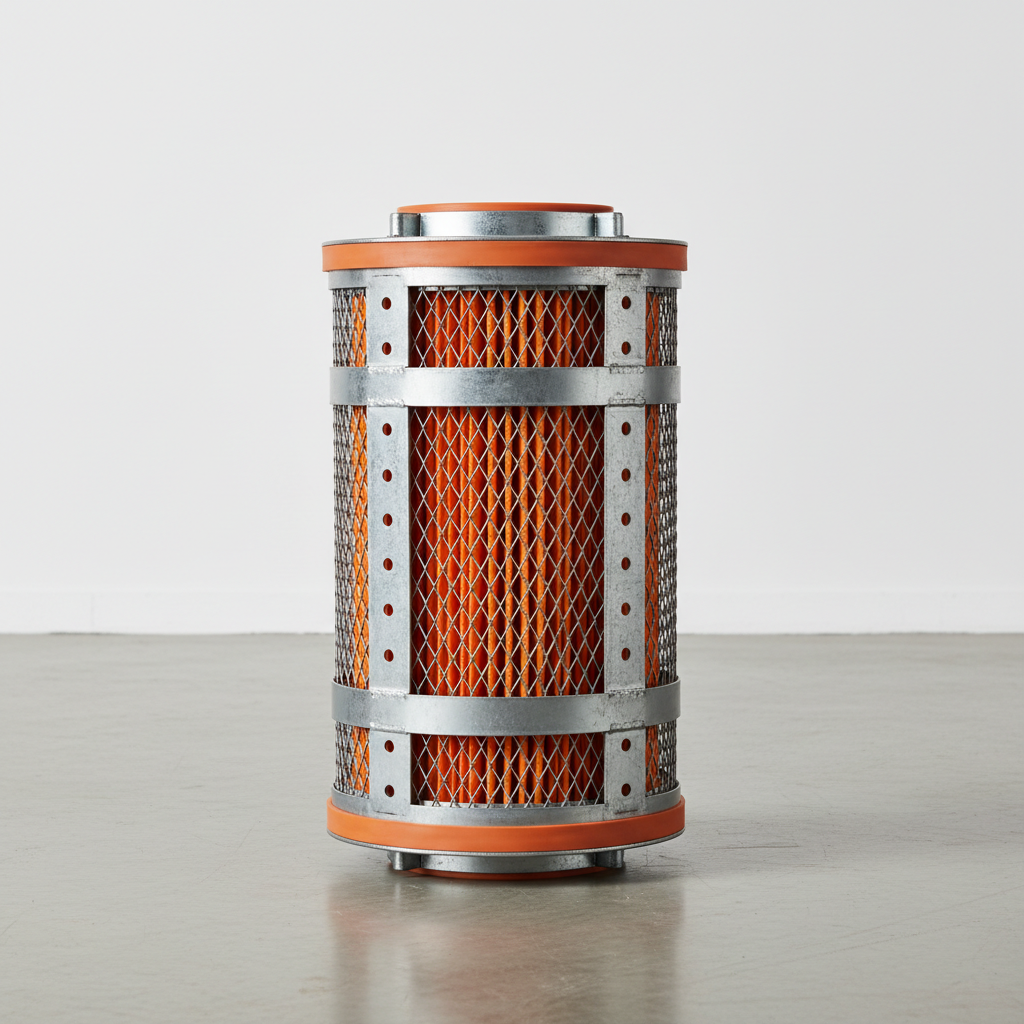
At its core, a silo filter cartridge is a specialized cylindrical filtration device designed to remove airborne particles from a gas stream, typically the air displaced from a silo as it is filled with material. Unlike flat panel filters, the pleated design of a cartridge maximizes the surface area within a compact footprint, allowing for high filtration efficiency without creating excessive back-pressure in the system.
These cartridges are essential in modern industry because they address the fundamental challenge of "dusting" during bulk loading. When powders, grains, or minerals are pneumatically conveyed into a silo, the air must be vented. Without a silo filter cartridge, this air would carry massive amounts of product waste into the air, leading to material loss and hazardous dust clouds.
Beyond simple cleanliness, these components are critical for humanitarian and safety needs in the food and chemical sectors. In grain silos, for instance, the accumulation of fine dust is a primary cause of combustible dust explosions. Therefore, the silo filter cartridge acts as a critical safety barrier, ensuring that combustible particles are captured and managed rather than dispersed.
Core Components and Performance Factors
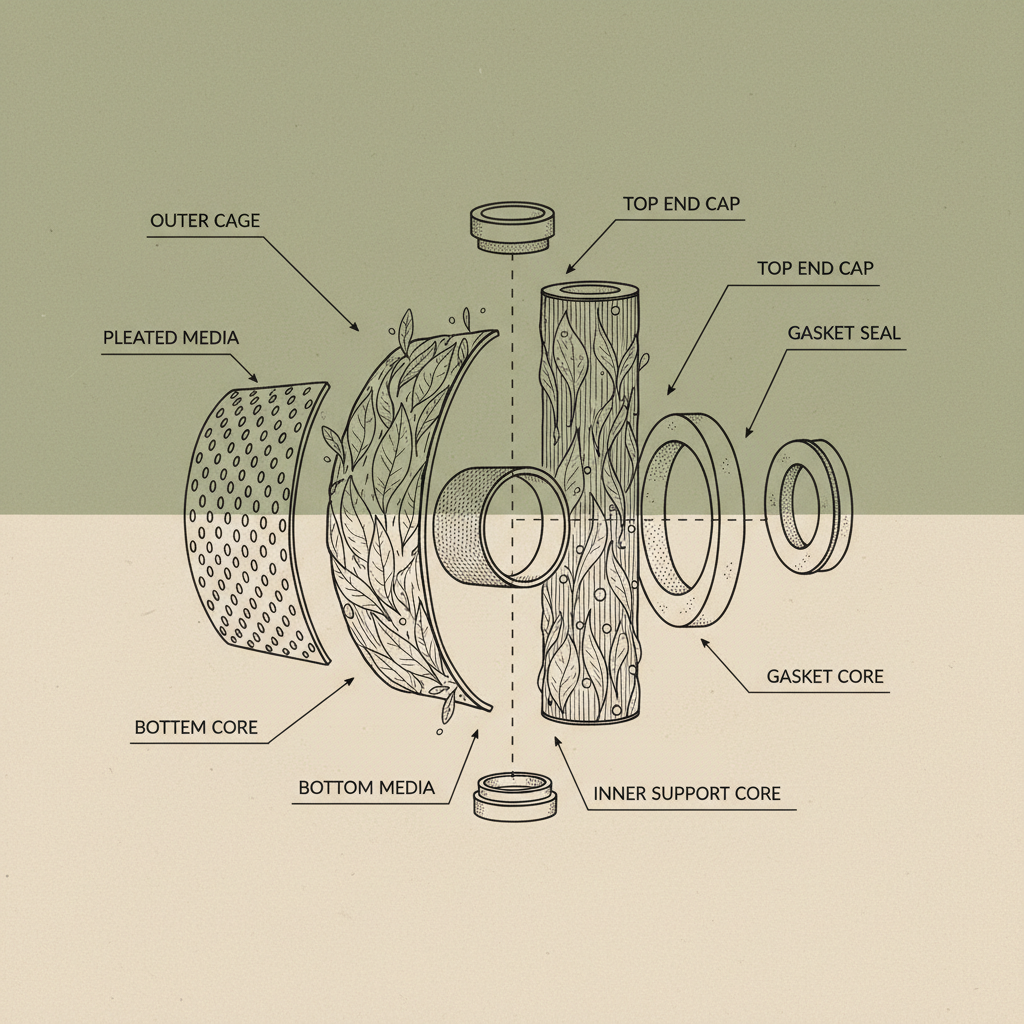
The efficacy of a silo filter cartridge is largely determined by its media composition. Most high-end cartridges utilize polyester, PTFE-coated membranes, or aramid fibers, depending on the temperature and chemical nature of the dust. The choice of material directly impacts the "cake release" properties, which determines how easily dust is removed during the cleaning cycle.
Another critical factor is the structural integrity of the pleats and the end-caps. A robust silo filter cartridge must withstand frequent pulse-jet cleaning cycles, where high-pressure air is blasted in reverse to knock off accumulated dust. If the seals are weak or the pleats collapse, "bypass" occurs, allowing unfiltered air to leak through and compromising the entire system's efficiency.
Finally, the air-to-cloth ratio must be carefully calculated. An optimized silo filter cartridge allows for maximum airflow while maintaining a low enough velocity to prevent particles from being forced deep into the fabric (blinding). This balance ensures the filter has a longer service life and requires less energy for the blower system.
Strategic Advantages and Efficiency Metrics
Integrating a premium silo filter cartridge provides immediate tangible benefits in terms of operational cost and environmental footprint. The primary advantage is the drastic reduction in material waste; by capturing the product that would otherwise be vented, companies see a direct increase in yield. Furthermore, the reduced pressure drop across a high-efficiency filter means that the ventilation fans consume less power, lowering utility costs.
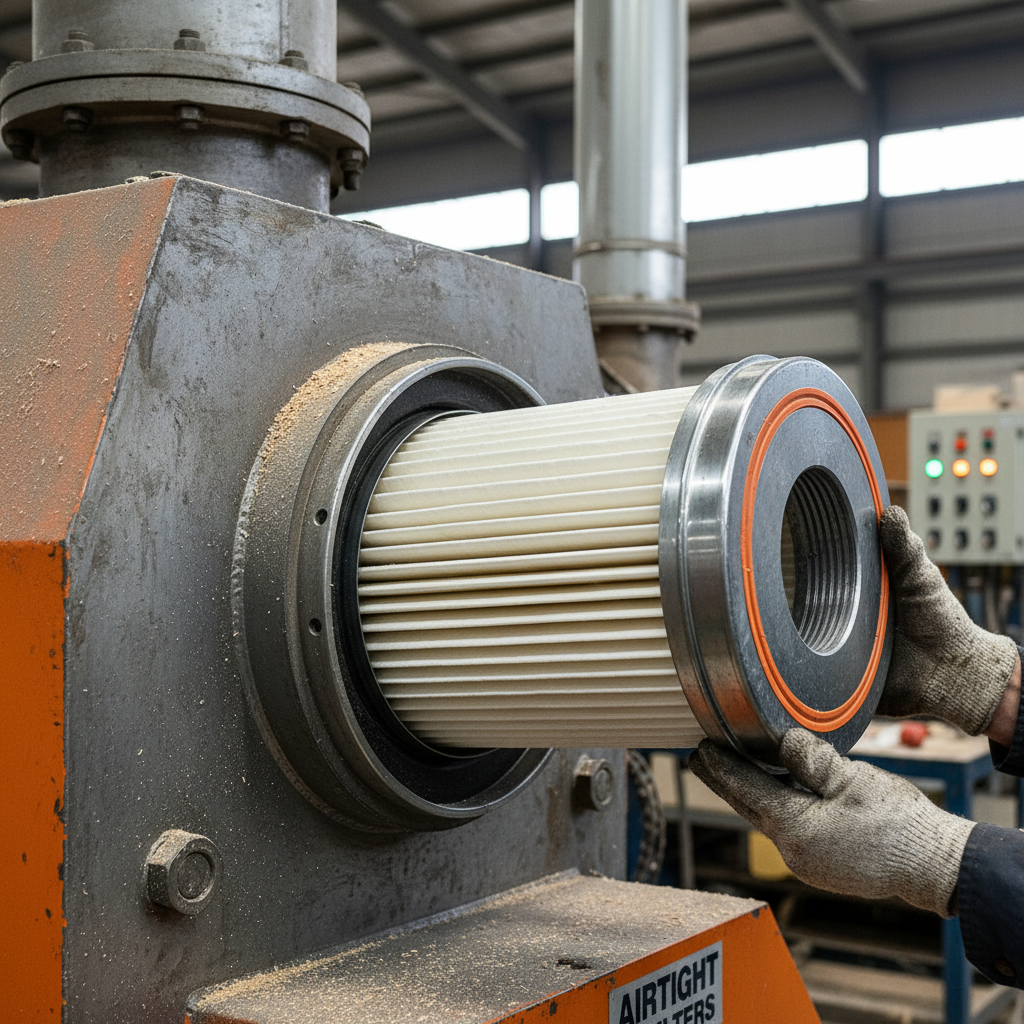
From a reliability standpoint, the move toward modular cartridge designs allows for faster replacement cycles. Instead of shutting down an entire venting system, technicians can swap out a specific silo filter cartridge in minutes, ensuring that production targets are met without compromising air quality.
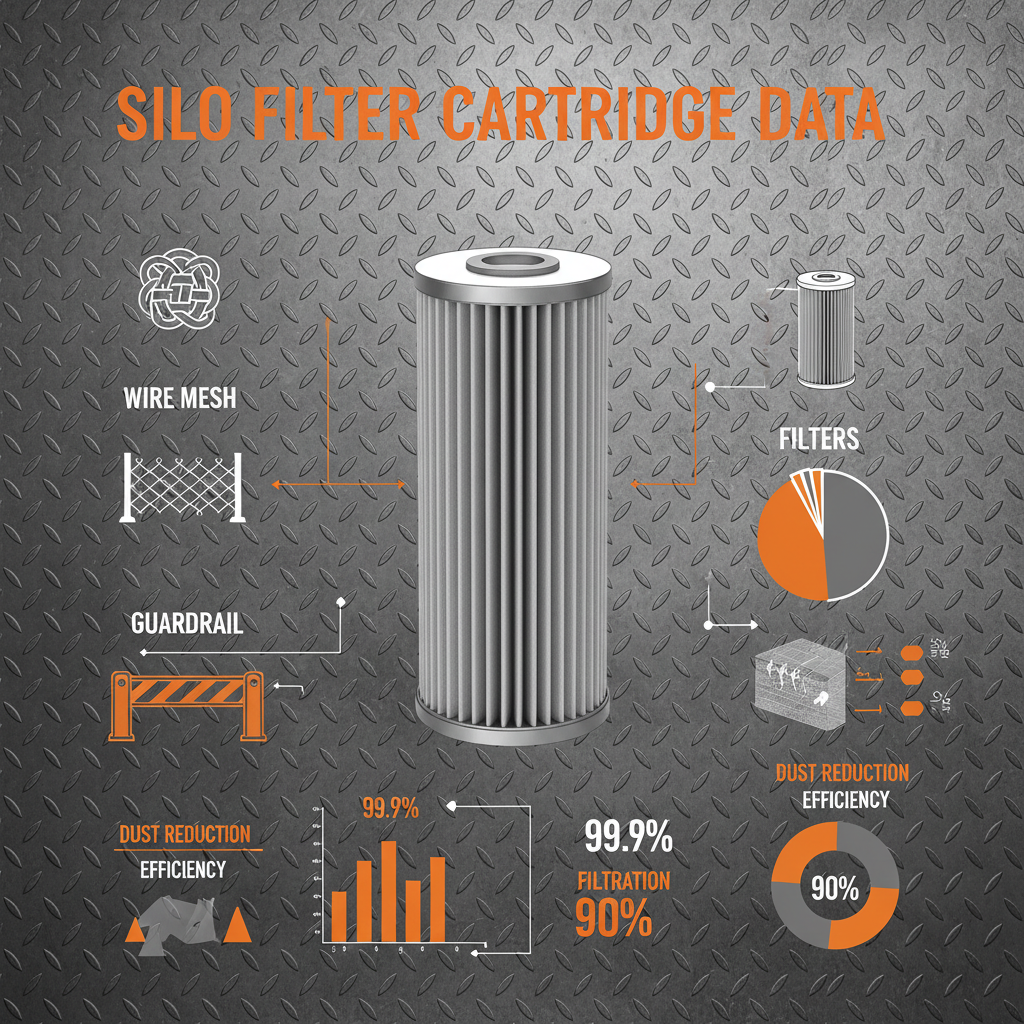
Efficiency Comparison of Silo Filter Cartridge Technologies
Global Applications Across Diverse Industries
The versatility of the silo filter cartridge makes it indispensable across multiple sectors. In the agricultural heartlands of North America and Europe, these filters are used in massive grain elevators to prevent the escape of organic dust, which is not only a pollutant but a highly explosive risk. In these contexts, the focus is on high-volume airflow and resistance to moisture.
Conversely, in the industrial zones of East Asia, specifically in cement and mineral processing, the silo filter cartridge is engineered to handle abrasive particles and high temperatures. In pharmaceutical labs, where cross-contamination can ruin millions of dollars of product, specialized HEPA-grade cartridges are used to ensure absolute air purity, demonstrating how the same fundamental technology is scaled for different levels of precision.
Long-Term Value and Sustainability Impact
Investing in high-quality silo filter cartridge systems delivers value that extends far beyond the initial purchase price. By extending the intervals between filter replacements through the use of advanced coatings, companies reduce the volume of industrial waste sent to landfills. This contributes to a circular economy where equipment longevity is prioritized over disposable, low-grade alternatives.
Furthermore, the social impact of effective filtration cannot be overstated. Reducing the emission of particulate matter improves the health and dignity of the workforce, decreasing the incidence of respiratory illnesses. When a company prioritizes a high-performance silo filter cartridge, it signals a commitment to safety and corporate social responsibility, which in turn builds trust with local communities and regulators.
From a logical business perspective, the reliability of these components ensures a stable production chain. A single failure in a silo vent can lead to a full plant shutdown for cleaning and safety inspections. Therefore, the silo filter cartridge is an insurance policy against operational volatility, offering peace of mind and consistent output.
Future Innovations in Filtration Technology
The future of the silo filter cartridge is being shaped by the intersection of materials science and digitalization. We are seeing the emergence of "Smart Filters" embedded with pressure sensors that can alert operators in real-time when a cartridge is reaching its capacity. This shift from schedule-based replacement to condition-based replacement will further optimize costs and prevent unexpected failures.
In terms of materials, the industry is moving toward biodegradable and recyclable filter media to further reduce the ecological footprint of air purification. Nano-fiber technology is also being integrated into the silo filter cartridge structure, allowing for the capture of sub-micron particles without increasing the air resistance, effectively solving the age-old trade-off between efficiency and energy consumption.
Automation is also playing a role, with self-cleaning mechanisms becoming more precise. Next-generation silo filter cartridge systems will likely feature adaptive pulse-jet timing, where the cleaning intensity adjusts automatically based on the dust load, further extending the lifespan of the media and reducing compressed air usage.
Comparative Analysis of Silo Filter Cartridge Technical Specifications
| Filter Media Type |
Dust Collection Efficiency |
Max Operating Temp |
Service Life Rating |
| Standard Polyester |
Medium (95%) |
130°C |
6/10 |
| PTFE Membrane |
Very High (99.9%) |
260°C |
9/10 |
| Aramid (Nomex) |
High (98%) |
200°C |
8/10 |
| Polypropylene |
Medium (94%) |
90°C |
5/10 |
| Nano-Fiber Composite |
Ultra High (99.99%) |
150°C |
10/10 |
| PPS (Polyphenylene) |
High (97%) |
190°C |
7/10 |
FAQS
Replacement intervals vary depending on the dust load and cleaning efficiency. On average, a high-quality silo filter cartridge lasts between 12 to 24 months. However, you should monitor the pressure differential across the filter; once the pressure drop remains high even after a cleaning cycle, it indicates that the media is blinded and the cartridge must be replaced to avoid blower failure.
No, using a standard polyester silo filter cartridge in high-temperature environments will lead to thermal degradation and premature failure. For temperatures exceeding 130°C, it is essential to use Aramid or PTFE-coated materials. Using the wrong media not only ruins the filter but can lead to dangerous leaks in your air purification system.
While both remove dust, a silo filter cartridge uses a pleated design to offer significantly more surface area in a smaller volume. This allows for a more compact housing and often higher filtration efficiency. Bag filters are generally better for very high volumes of coarse dust, but cartridges are superior for fine particulate control and space-constrained installations.
Yes, a PTFE membrane creates a surface-loading filtration mechanism. Instead of particles penetrating deep into the fabric, they stay on the surface. This makes the "cake release" much more efficient during pulse cleaning, which reduces the mechanical stress on the fabric and significantly extends the overall lifespan of the silo filter cartridge.
Moisture can cause "mudding," where dust turns into a paste that permanently blocks the filter. To prevent this, ensure your silo is properly insulated to avoid condensation. Additionally, choosing a hydrophobic silo filter cartridge with a water-repellent coating can help maintain airflow in humid conditions.
Most silo filter cartridges are manufactured to industry standards, but dimensions and end-cap styles can vary. We recommend providing the current filter's dimensions and the silo model to ensure a perfect seal. A precise fit is critical because any gap in the seating will allow unfiltered air to bypass the filter entirely.
Conclusion
The silo filter cartridge is far more than a simple replacement part; it is a critical component that bridges the gap between industrial productivity and environmental stewardship. From its role in preventing hazardous explosions in grain silos to ensuring ultra-pure air in pharmaceutical plants, the right filtration choice directly influences a facility's safety, efficiency, and regulatory standing. By focusing on material science, structural durability, and precision air-to-cloth ratios, companies can achieve a sustainable balance of high output and low emissions.
Looking ahead, the integration of smart sensing and nano-materials will continue to redefine the capabilities of industrial filtration. As global standards for air quality tighten, the transition toward high-efficiency, long-life silo filter cartridge solutions will be the defining factor for competitive manufacturing. We encourage plant managers to audit their current filtration systems and upgrade to advanced media to ensure long-term operational resilience. Visit our website for professional guidance and high-performance solutions: www.onlyfiltercartridge.com

 Email:admin@only-filter.com
 Tel:
+8615930870079
Tel:
+8615930870079