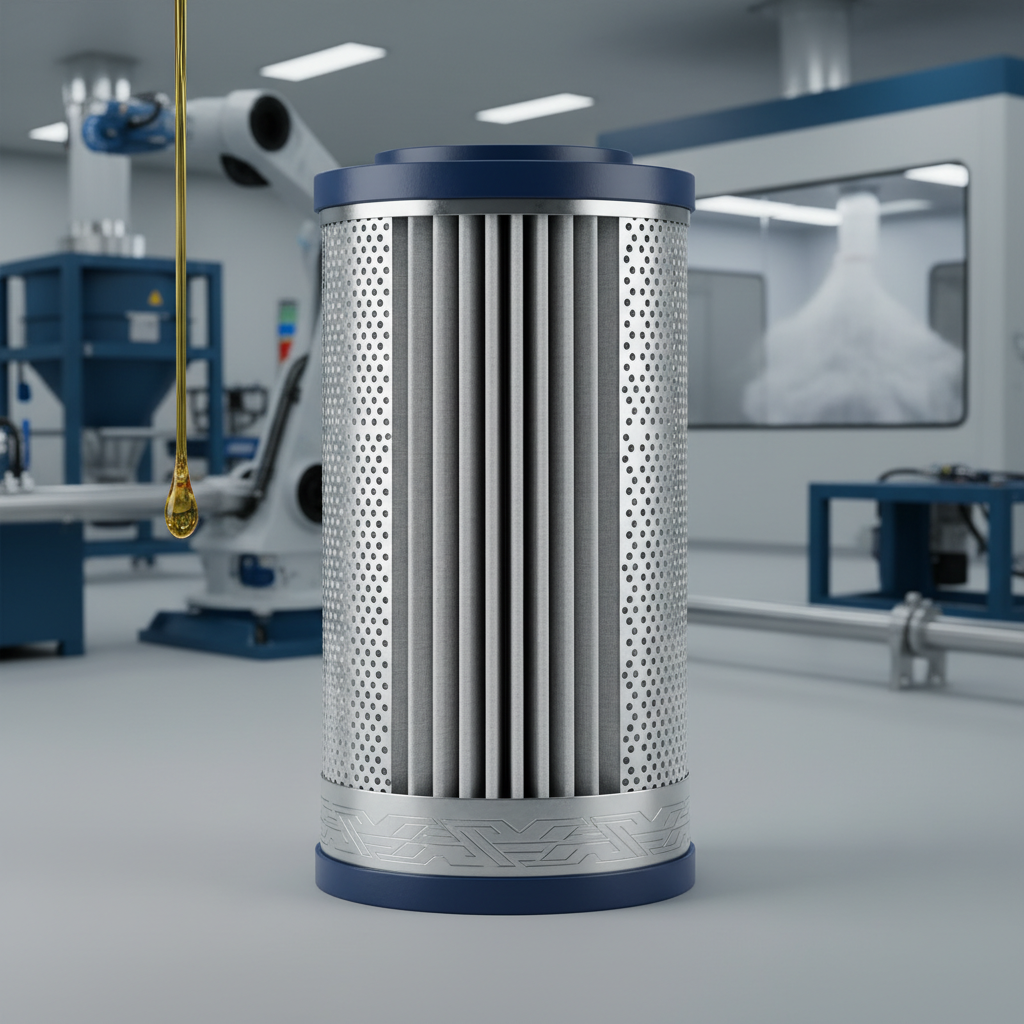
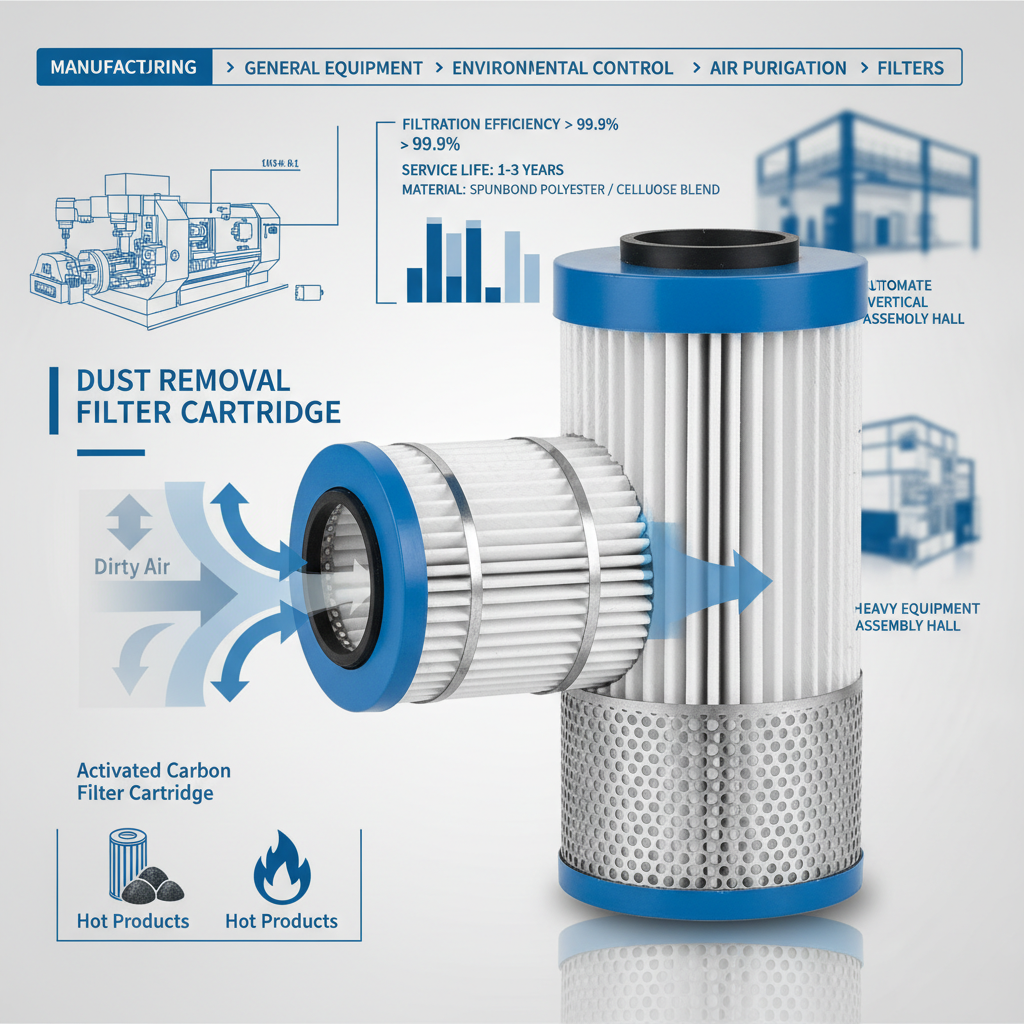
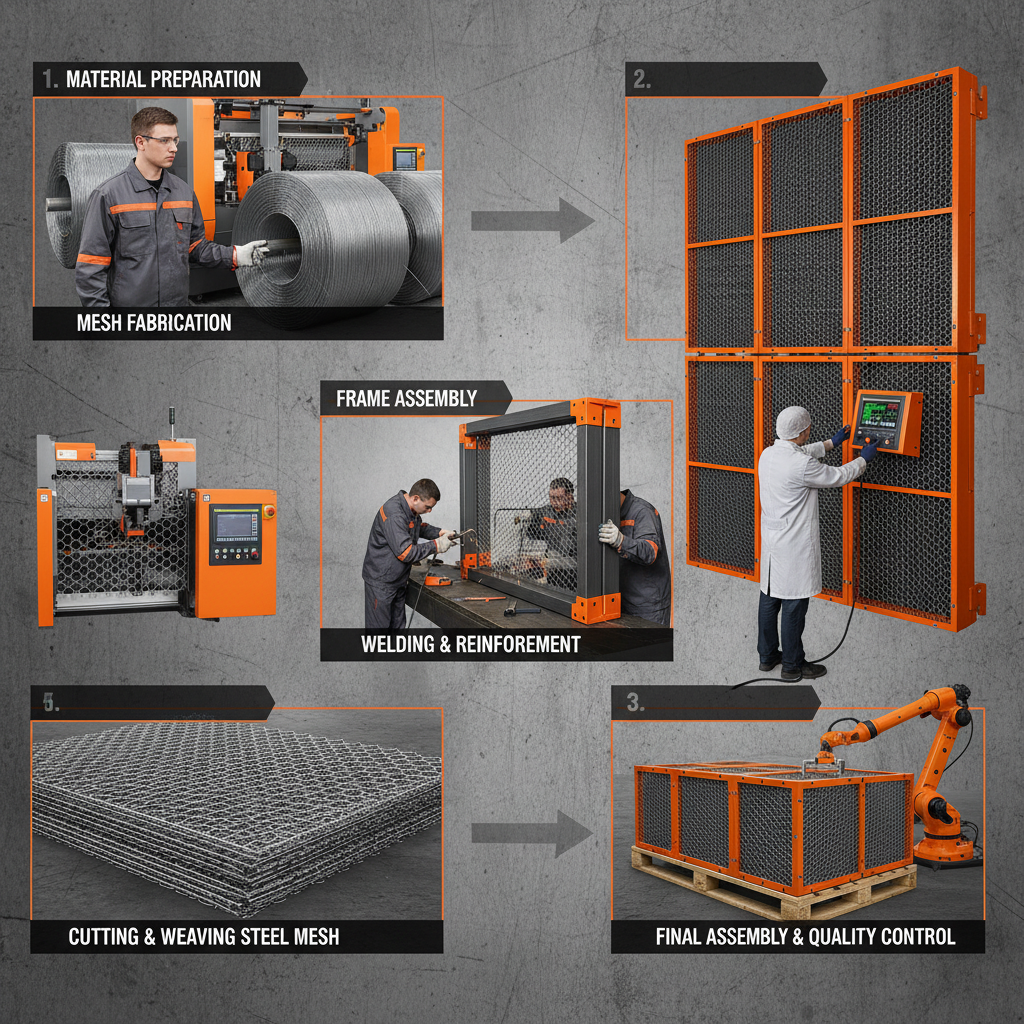
Maintaining a clean industrial environment is no longer just a regulatory requirement but a critical operational necessity for modern manufacturing. A high-efficiency cartridge filter for dust collector serves as the frontline defense against airborne particulates, ensuring that fine dust is captured before it can compromise machinery or employee health. By integrating advanced filtration media, these components transform hazardous air into a safe, breathable workspace.
Globally, the shift toward "Industry 4.0" has placed a premium on air quality and emission control. The implementation of a precision-engineered cartridge filter for dust collector allows facilities to minimize downtime by reducing the frequency of filter replacements and optimizing the pulse-cleaning process. This leads to a significant reduction in energy consumption and operational overhead across various heavy industries.
Understanding the nuances of filtration technology—from pleat density to material composition—is essential for any plant manager aiming for sustainability. Whether dealing with combustible dust or fine chemical powders, the right cartridge filter for dust collector ensures compliance with ISO and OSHA standards, safeguarding both the human workforce and the longevity of the equipment.
Global Significance of Industrial Air Filtration
On a global scale, the proliferation of manufacturing hubs in Asia and North America has led to an urgent need for sophisticated air pollution control. According to WHO and ISO guidelines, particulate matter (PM) in industrial zones can severely impact regional air quality and worker respiratory health. This is where the cartridge filter for dust collector becomes an indispensable tool, preventing the release of harmful toxins into the atmosphere.
Beyond health, the economic impact of poor filtration is staggering. Uncontrolled dust leads to premature wear and tear on expensive CNC machinery and electronic components. By deploying high-grade filtration systems, industries can reduce maintenance costs by up to 30%, ensuring that the production line remains active and efficient while meeting strict environmental regulations.
Defining the Modern Cartridge Filter for Dust Collector
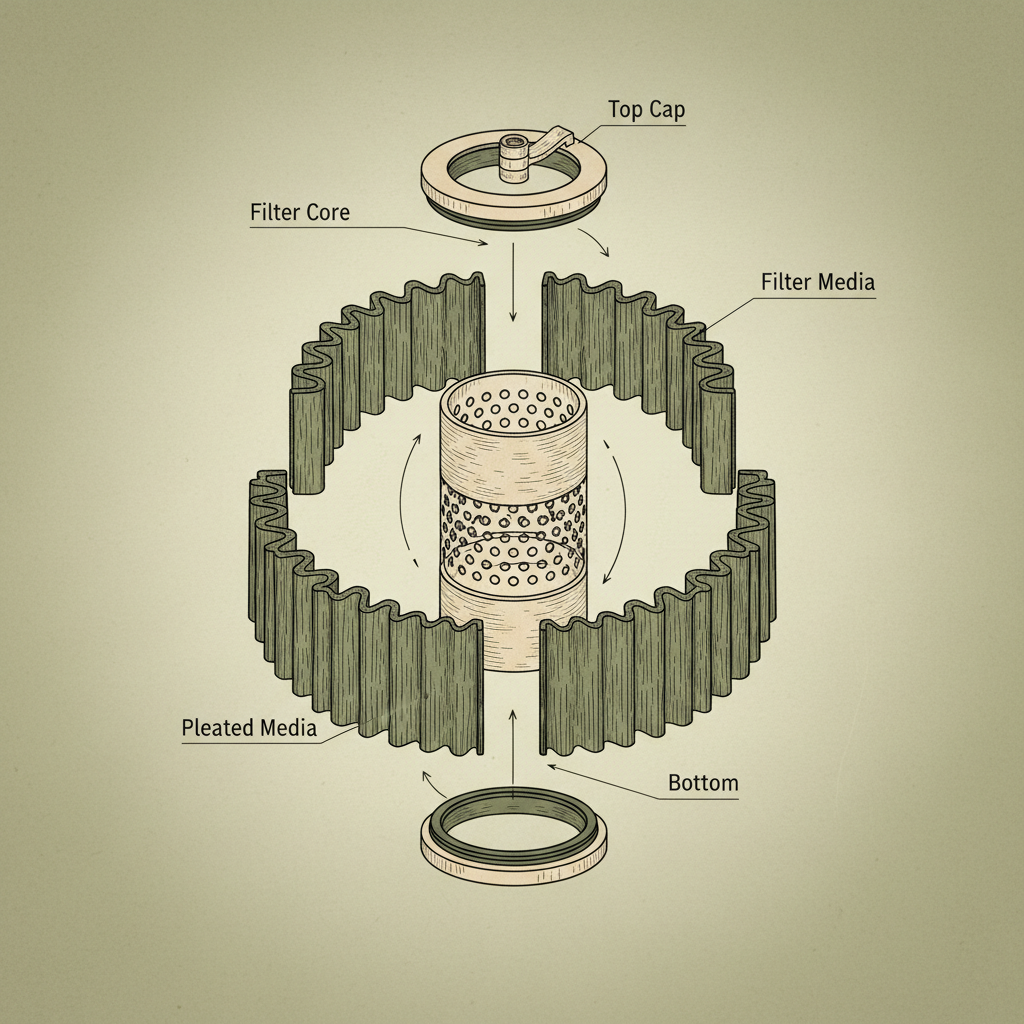
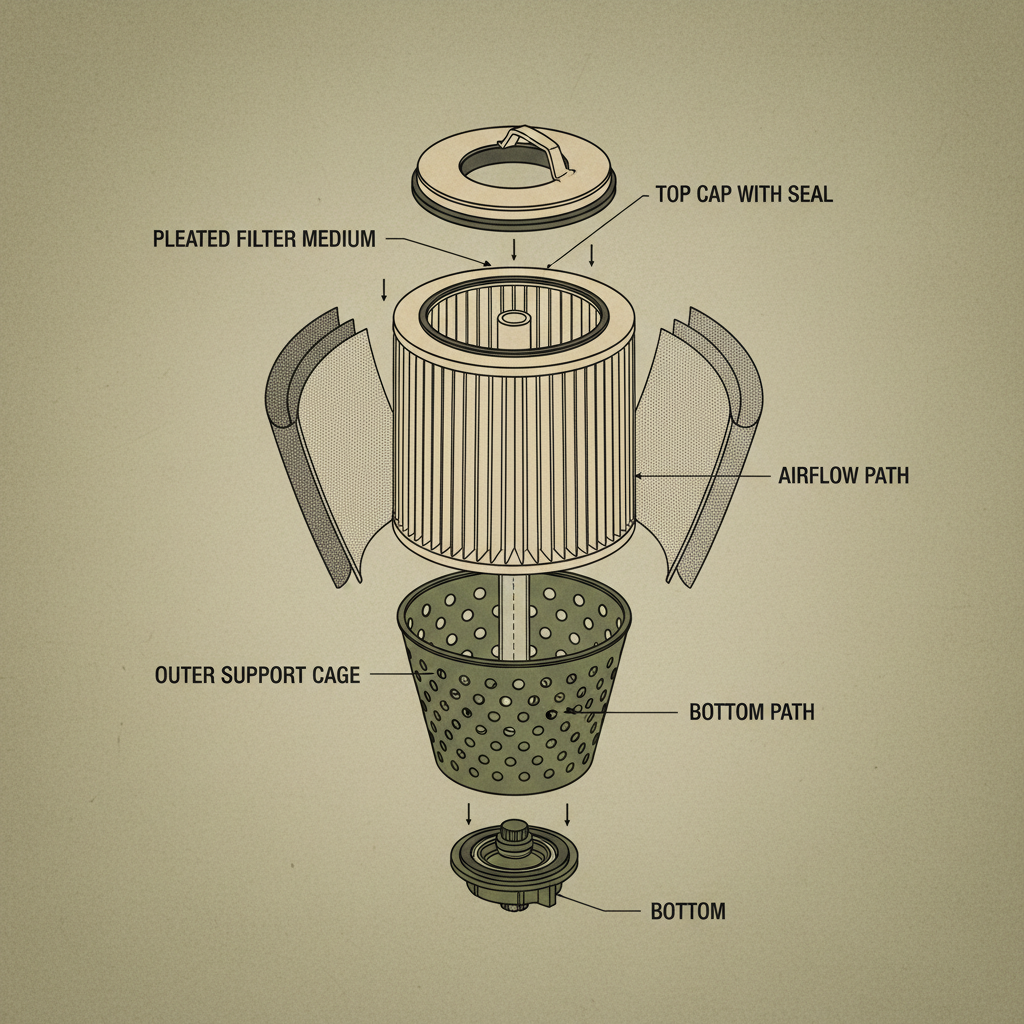
At its simplest, a cartridge filter for dust collector is a cylindrical filtration device designed to remove particulate matter from an air stream. Unlike traditional baghouse filters, cartridge filters utilize a pleated design which dramatically increases the surface area available for filtration within a compact footprint. This allows for higher airflow rates and better efficiency in capturing micron-sized particles.
These components are typically constructed from polyester, polypropylene, or specialized PTFE-coated membranes. The "cartridge" design allows for easy installation and replacement, meaning plants can swap out old filters without extensive downtime. This modularity is essential for industries that operate on tight schedules and cannot afford prolonged system shutdowns.
In the context of modern humanitarian and industrial needs, these filters are vital for creating "clean rooms" and safe workshops. Whether it is a pharmaceutical lab requiring sterile air or a woodworking shop managing combustible sawdust, the cartridge filter provides a scalable solution that balances airflow capacity with high-precision capture rates.
Core Components and Material Engineering
The effectiveness of a cartridge filter for dust collector starts with its media. The pleating process is a marvel of engineering, allowing several square meters of fabric to be folded into a small cylinder. This maximizes the "dust cake" build-up area, which paradoxically improves filtration efficiency over time as the captured dust helps filter even smaller particles.
Durability is another cornerstone of design. High-quality cartridge filter for dust collector units feature reinforced end caps and precision-welded seams to prevent "blow-by"—where dust bypasses the filter media through gaps. The use of galvanized steel or plastic cages provides the necessary structural support to withstand the pressure of high-velocity air and the force of pulse-jet cleaning.
Finally, surface treatments like ePTFE (expanded Polytetrafluoroethylene) membranes are becoming industry standards. These coatings create a non-stick surface that allows dust to release more easily during the cleaning cycle. This not only extends the life of the cartridge filter for dust collector but also lowers the pressure drop across the system, saving energy.
Performance Metrics and Efficiency Factors
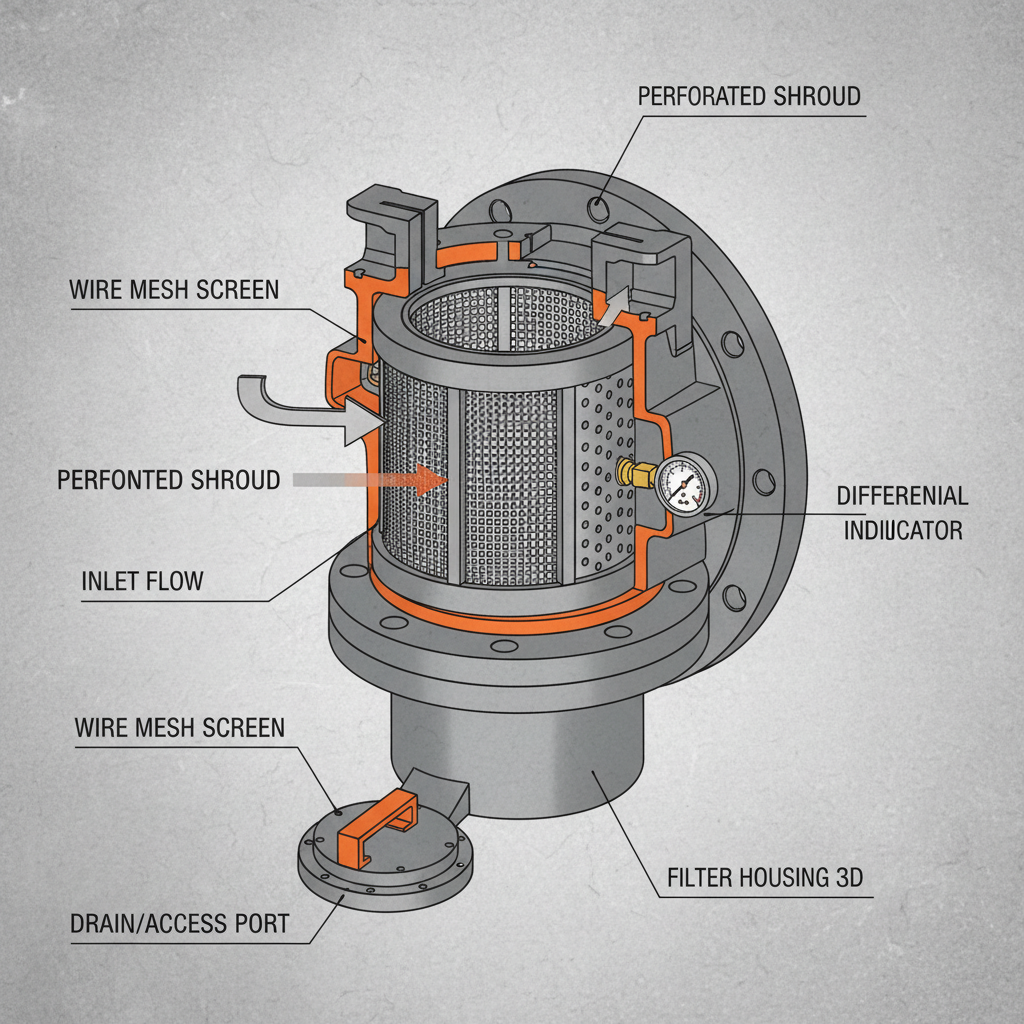
Measuring the success of a cartridge filter for dust collector involves analyzing the pressure drop ($\Delta P$) and the filtration efficiency. A low pressure drop indicates that the filter allows air to flow freely while still capturing particles, reducing the load on the blower motor. Conversely, a sudden spike in pressure usually signals that the filter is blinded and requires immediate cleaning or replacement.
The "MERV" (Minimum Efficiency Reporting Value) rating is often used to categorize these filters. A higher rating means the cartridge filter for dust collector can capture smaller particles, such as those in the 0.3 to 1.0 micron range, which are the most dangerous to human lungs.
Filtration Efficiency Comparison for Dust Collector Systems
Global Applications Across Diverse Industries
The versatility of the cartridge filter for dust collector makes it a staple in a wide array of sectors. In the metalworking industry, these filters are used to capture weld fumes and grinding dust, preventing "metal fume fever" among workers. Similarly, in the pharmaceutical sector, they ensure that cross-contamination is minimized by capturing fine powder residues during the mixing and packaging stages.
In more remote industrial zones, such as mining operations in Australia or South America, the robustness of these filters is tested against extreme environments. Here, a cartridge filter for dust collector must handle high volumes of coarse silica dust while resisting moisture and temperature fluctuations, ensuring that heavy machinery continues to operate without clogging.
Strategic Advantages of High-Efficiency Filtration
The primary logical advantage of upgrading to a premium cartridge filter for dust collector is the extension of the equipment lifecycle. When air is filtered effectively, the internal components of the dust collector—such as the fan and the hopper—are not subjected to abrasive wear from leaking particulates. This translates to lower capital expenditure over the long term.
From a sustainability perspective, high-efficiency filters contribute to a circular economy. By capturing dust more effectively, some industries can actually recycle the captured materials, turning "waste" back into raw input. This reduces the environmental footprint of the factory and increases overall profitability.
Beyond the numbers, there is an emotional value tied to workplace safety. Employees who work in an environment where a cartridge filter for dust collector is performing optimally feel a greater sense of dignity and trust in their employer. Knowing that the air they breathe is clean reduces stress and increases overall productivity.
Future Trends in Dust Collection Technology
Looking ahead, the integration of "Smart Filtration" is the most promising trend. Future cartridge filter for dust collector systems will likely feature embedded sensors that communicate real-time pressure and saturation data to a central AI. This will allow for "predictive maintenance," where filters are replaced exactly when needed, rather than on a fixed schedule.
Material science is also evolving, with the development of biodegradable filter media. As global policies push for "Green Manufacturing," the industry is seeking ways to make the cartridge filter for dust collector more eco-friendly without sacrificing its ability to capture hazardous particles.
Furthermore, the move toward automation means that filter replacement systems may soon be fully robotic. This will eliminate the need for human workers to enter dusty environments for maintenance, further enhancing the safety and efficiency of the industrial process.
Comparative Analysis of Cartridge Filter Technologies
| Filter Material |
Particle Capture Rate |
Service Life (Hrs) |
Maintenance Ease |
| Standard Polyester |
Medium (70-80%) |
2,000 - 4,000 |
Moderate |
| PTFE Membrane |
Very High (99.9%) |
6,000 - 10,000 |
Easy (Self-cleaning) |
| Polypropylene |
Medium (60-75%) |
1,500 - 3,000 |
Moderate |
| Nano-Fiber Composite |
Extreme (99.99%) |
8,000 - 12,000 |
Moderate |
| Glass Fiber |
High (90-95%) |
3,000 - 5,000 |
Difficult (Fragile) |
| Carbon-Infused |
High + Gas Absorb |
4,000 - 7,000 |
Moderate |
FAQS
Replacement frequency depends on the dust load and cleaning system. Generally, you should replace them when the pressure drop ($\Delta P$) remains high even after a full cleaning cycle. For heavy-duty industrial use, this typically ranges from 6 to 18 months. Regularly monitoring the differential pressure gauge is the most accurate way to determine the end-of-life for your filter.
Standard polyester may struggle with moisture, leading to "blinding" where the dust turns into a paste on the filter surface. For wet or oily dust, we recommend a cartridge filter for dust collector with an oleophobic or hydrophobic coating, such as PTFE. This ensures the moisture beads off and the filter remains permeable.
The primary difference is the surface area and footprint. Cartridge filters use pleats to pack a massive amount of filtration media into a small space, whereas bag filters are larger and rely on a simpler fabric sleeve. Cartridge filters are generally more efficient at capturing fine sub-micron particles and are easier to replace in compact systems.
Yes, higher pleat counts increase the total surface area. This allows for a lower "face velocity," meaning the air moves more slowly through the media, which increases the probability of capturing smaller particles and extends the time between cleaning cycles. However, too many pleats in a small space can lead to "dust bridging" between the folds.
Yes, but they must be specifically rated for ATEX or NFPA compliance. Anti-static filter media (usually incorporating stainless steel fibers or conductive polymers) are used to prevent the buildup of static electricity, which could otherwise trigger a dust explosion in hazardous environments. Always verify the anti-static rating of your cartridge filter.
The most common sign of a leak in a cartridge filter for dust collector is visible dust emissions from the clean air outlet. You can perform a "fluorescent powder test" by introducing a UV-reactive powder into the dirty air stream and using a blacklight on the clean side to pinpoint the exact location of the leak.
Conclusion
In summary, the selection of a high-performance cartridge filter for dust collector is a strategic investment in both operational efficiency and worker safety. By optimizing material choice—such as moving toward PTFE membranes—and monitoring key performance metrics like pressure drop, manufacturers can significantly reduce downtime and energy costs while maintaining a pristine industrial environment.
As we move toward a future of smarter, greener manufacturing, the role of advanced filtration will only grow. We encourage facility managers to move away from generic replacements and toward precision-engineered solutions tailored to their specific particulate challenges. For industry-leading filtration components and expert consultation, visit our website: www.onlyfiltercartridge.com.

 Email:admin@only-filter.com
 Tel:
+8615930870079
Tel:
+8615930870079